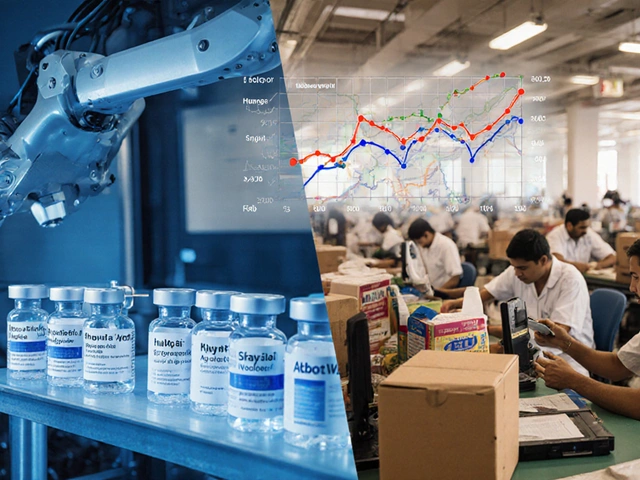
Pharma Policy India: Rules, Regulations, and What It Means for Manufacturers
When you hear Pharma Policy India, the set of government rules governing how medicines are made, priced, and sold in the country. It’s not just paperwork—it’s what decides if a life-saving drug costs ₹10 or ₹1,000, and whether Indian companies can ship generics to Africa, the US, or Europe. This policy controls everything from factory inspections to patent rules, and it’s changed dramatically in the last five years.
One major piece of this puzzle is drug pricing, the government’s system that caps how much companies can charge for essential medicines. It’s called the National Pharmaceutical Pricing Authority, or NPPA, and it keeps drugs like insulin, antibiotics, and heart pills affordable. Then there’s pharmaceutical manufacturing India, the backbone of the country’s $50 billion drug industry, which must follow strict Good Manufacturing Practices (GMP) to export anywhere. Without compliance, your factory can’t even sell to a local pharmacy, let alone the world. The FDA India—officially the Central Drugs Standard Control Organization (CDSCO)—is the agency that checks your equipment, records, and hygiene. They don’t just show up once. They audit randomly, and one violation can shut you down.
What’s not talked about enough is how these rules affect small manufacturers. If you’re making tablets in a small plant in Gujarat or Andhra Pradesh, the same rules apply as for big names like Sun Pharma or Cipla. That’s fair—but it’s also tough. The policy pushes innovation, but it doesn’t give small players enough help to upgrade. Still, the upside? India’s policy makes it one of the few places where you can produce high-quality, low-cost drugs at scale. That’s why the US and EU still buy 40% of their generic medicines here.
You’ll find posts here that dig into how pharma policy India shapes factory layouts, why some companies are moving production out of the country, how pricing rules impact your profit margins, and what’s next with new digital tracking systems for drug batches. Whether you run a small lab, work in quality control, or just want to understand why your medicine costs what it does, this collection gives you the real facts—not the marketing spin.
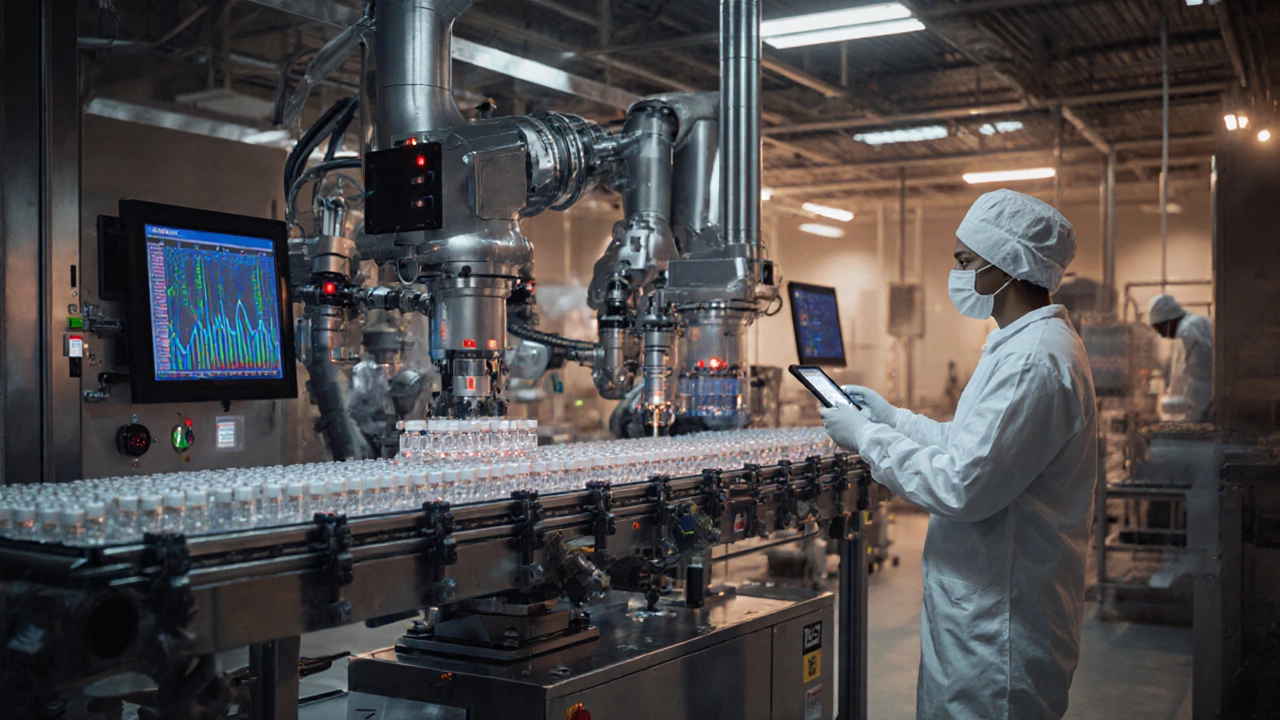
What Is the Future of Pharmacy in India? Trends, Challenges, and Opportunities
India's pharmacy future is shifting from cheap generics to high-value drugs, AI-driven manufacturing, and global trust. Learn how policy, tech, and talent are reshaping the world's largest generic drug supplier.
View More