Plastic Factories in US: What They Make, Where They Are, and Why It Matters
When you think of plastic factories in US, industrial sites that turn oil and gas into everyday plastic products like bottles, bags, and packaging. Also known as plastic manufacturing plants, these facilities are the backbone of a $1.5 trillion global industry that touches nearly every part of modern life. But here’s the thing—most people don’t realize these factories aren’t scattered evenly across the country. Over 70% of them sit along the Gulf Coast, especially in Texas and Louisiana, where cheap natural gas feeds the machines that make polyethylene and polypropylene—the two most common plastics on earth.
These factories don’t just make shopping bags. They produce the plastic film that wraps your food, the containers your medicine comes in, the pipes in your walls, and even the fibers in your fleece jacket. But while the output is everywhere, the waste isn’t always handled the same way. The plastic pollution, the buildup of plastic waste in ecosystems, especially oceans and waterways. Also known as plastic waste crisis isn’t caused by American consumers throwing away more than anyone else—it’s because the US exports over 1 million tons of plastic waste each year to countries with weak recycling systems. That’s why the Philippines, not the US, now leads in ocean plastic pollution. The factories make it. The global system moves it. And the environment pays the price.
There’s a shift happening, though. Some US plastic factories are starting to use recycled content. Others are experimenting with bioplastics made from corn or sugarcane. But these changes are slow. Most plants still rely on virgin plastic because it’s cheaper and easier to produce. The real question isn’t whether we can stop making plastic—it’s whether we can make it responsibly, close the loop, and stop treating the planet like a dumping ground. What you’ll find below are posts that dig into the real stories behind plastic production, waste, and the surprising connections between factories overseas and what’s in your home. From how India became a global pharma leader to why Gujarat dominates chemical manufacturing, these articles show how industrial systems work—and where they fail.
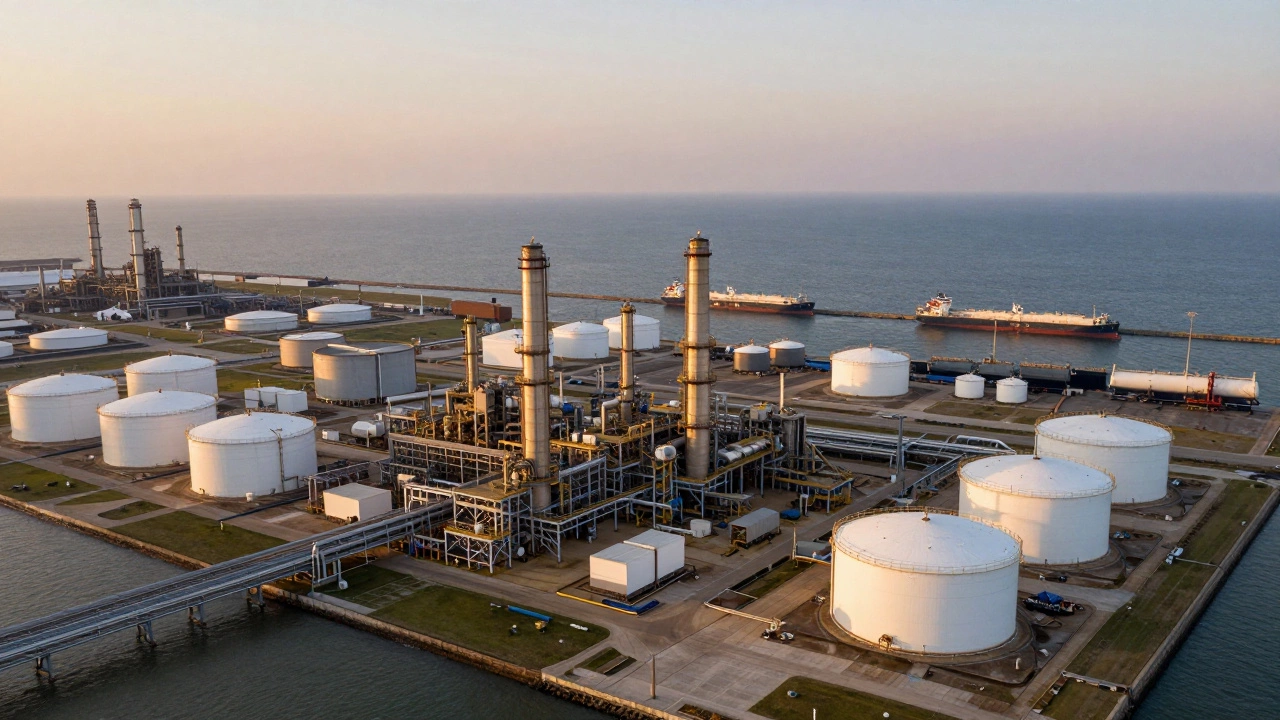
How Many Plastic Factories Are There in the US?
The U.S. has about 1,500 plastic factories that produce resin and finished products. Most are clustered along the Gulf Coast, with major hubs in Texas, Ohio, and California. The industry is shrinking in number but growing in efficiency and automation.
View More

Feb 13 2025