Plastic Manufacturing in India: What You Need to Know
When we talk about plastic manufacturing, the industrial process of turning raw polymers into everyday products like bags, bottles, and packaging. Also known as plastic fabrication, it's one of the fastest-growing sectors in India’s industrial base, feeding everything from grocery stores to automobile plants. This isn’t just about making things—it’s about supply chains, pollution, exports, and policy. India produces over 15 million tons of plastic each year, and more than half of it ends up in packaging. That’s a lot of single-use items made in Gujarat, Maharashtra, and Tamil Nadu, then shipped across the country—and the world.
Plastic exports, the sale of manufactured plastic goods to other countries. Also known as plastic product trade, are a major driver of India’s manufacturing growth. In 2025, India ranks among the top 10 global plastic exporters, sending everything from food containers to automotive parts to the U.S., Germany, and the UAE. But behind those numbers is a deeper story: many of these exports come from small factories that lack proper waste systems. And that’s where plastic pollution, the environmental damage caused by discarded plastic that doesn’t break down. Also known as plastic waste, becomes a crisis. India generates over 3.3 million tons of plastic waste annually, and less than 60% gets recycled. The rest ends up in rivers, landfills, or worse—our oceans.
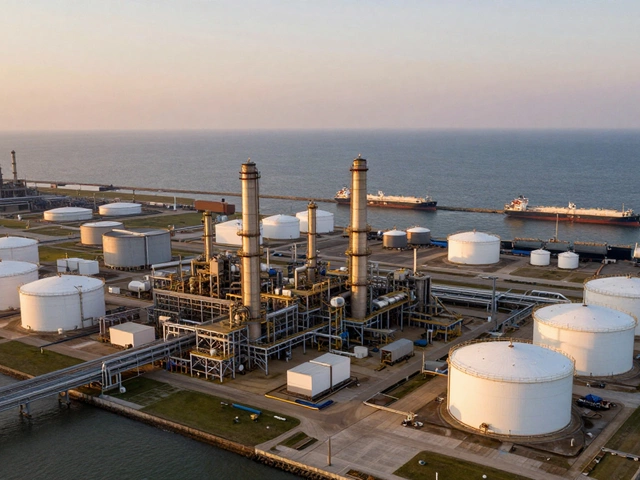
Plastic manufacturing doesn’t happen in a vacuum. It’s tied to chemical manufacturing India, the production of raw materials like polyethylene and PVC that form the base of plastic products. Also known as polymer production, and it’s centered in Gujarat, where petrochemical plants turn crude oil into the building blocks of plastic. These plants feed hundreds of smaller factories that mold, cut, and package plastic goods. The same region that makes fertilizers and pharmaceuticals also churns out the plastic containers those products come in. It’s all connected. And that’s why you’ll find posts here about who’s dumping plastic into the ocean, what countries are leading exports, and how small manufacturers are trying to cut waste without cutting profits.
What you’ll find in this collection isn’t theory. It’s real data, real stories, and real choices. You’ll see how Indian factories are adapting to new rules, how exporters are competing with China, and how everyday products you use are made—and what happens after you throw them away. There’s no sugarcoating: plastic manufacturing is messy, powerful, and unavoidable. But understanding it is the first step to changing it.

What Country Puts the Most Plastic in the Ocean?
The Philippines now leads the world in ocean plastic pollution, not because of high consumption, but due to weak waste systems and global plastic production practices. Learn who's really to blame and what needs to change.
View More
Jun 22 2025