Plastic Resin Plants: What They Are and How They Shape Everyday Products
When you think of plastic, you probably picture bottles, bags, or packaging. But before any of that exists, it starts at a plastic resin plant, a facility that converts petroleum-based chemicals into raw plastic pellets called resins. Also known as polymer production units, these plants are the silent engines behind nearly every synthetic product in your home. In India, these facilities are concentrated in Gujarat and Maharashtra, where petrochemical hubs feed into everything from tissue packaging to kitchenware. Without resin plants, the soft, absorbent tissues you use every day wouldn’t exist in their current form.
These plants don’t make finished goods—they make the building blocks. The resin pellets they produce are shipped to other factories, where they’re melted, molded, or extruded into final products. That means your tissue box? Its plastic shell likely came from a resin plant in Vadodara. Your laundry detergent bottle? Same source. Even the thin film wrapping your toilet paper rolls? That’s made from resin, too. The polymer industry, the network of companies that produce and process synthetic materials is huge in India, supporting over 15 million jobs and contributing nearly 7% to the country’s manufacturing GDP. And while global attention often focuses on plastic waste, the real story is in the supply chain: who makes the resin, how efficiently it’s produced, and whether it’s being designed for reuse or recycling.
What’s often overlooked is how much innovation happens inside these plants. Modern resin facilities in India now use closed-loop systems to cut emissions, recycle process water, and reduce energy use. Some even blend bio-based feedstocks to create partially renewable plastics. These aren’t marketing claims—they’re operational shifts driven by cost, regulation, and consumer demand. If you’re wondering why some tissue brands feel softer, stronger, or more sustainable, the answer often starts at the resin level.
Behind every home good made in India—from tissue packs to storage containers—is a chain that begins with a resin plant. The posts below dig into exactly how these systems connect to everyday products, what’s changing in Indian manufacturing, and why the materials you can’t see often matter more than the ones you can.
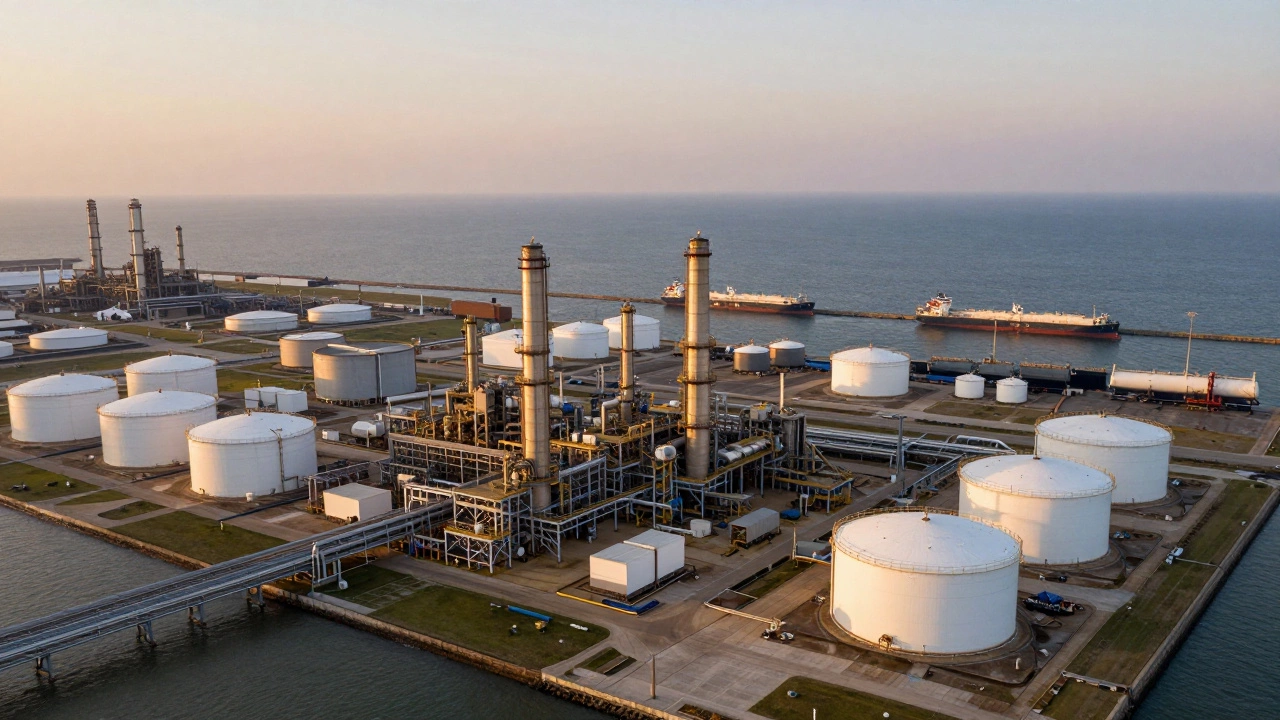
How Many Plastic Factories Are There in the US?
The U.S. has about 1,500 plastic factories that produce resin and finished products. Most are clustered along the Gulf Coast, with major hubs in Texas, Ohio, and California. The industry is shrinking in number but growing in efficiency and automation.
View More