Rug Over Carpet: What Works, What Doesn't, and Why It Matters
When you lay a rug over carpet, a layered floor covering used to add warmth, texture, or style to a room. Also known as area rug, it's a simple trick millions use to refresh a space without replacing the whole floor. But is it really that simple? Some people swear by it. Others end up with sliding rugs, tripping hazards, or weird static shocks. The truth? It depends on what kind of carpet you have, what kind of rug you pick, and how you install it.
The biggest issue people don’t talk about? static electricity, an imbalance of electric charges that builds up when two surfaces rub together. Also known as shock from flooring, it’s not just annoying—it can damage electronics and make your home feel uncomfortable. Walking on a rug over carpet creates friction, especially in dry climates. That’s why you get zapped when you touch a doorknob. It’s the same reason your dog gets little shocks when they run across the living room. This isn’t just a nuisance—it’s a hidden problem in homes with synthetic carpets and wool or synthetic rugs. The fix? Natural fiber rugs like cotton or jute reduce static, and anti-static sprays help. But the real solution? Know your materials before you buy.
Then there’s the carpet under rug, the existing floor covering that supports or interferes with the rug placed on top. Also known as base flooring, it’s often ignored—but it decides whether your rug stays flat or curls up like a potato chip. Thick, plush carpets make rugs slide. Thin, low-pile carpets? They grip better. If your carpet has a rubber backing or is older than 10 years, it might be crumbling under the rug, trapping dust and allergens. That’s why some people report worse indoor air quality after adding a rug. It’s not the rug’s fault—it’s the hidden mess underneath.
And let’s not forget safety. A rug that doesn’t stay put is a trip hazard. You don’t need to break your ankle to know this matters. Non-slip pads aren’t optional—they’re essential. Even a $10 rug pad can stop 90% of sliding. But here’s the catch: not all pads work on all carpets. Felt pads stick to synthetic carpets. Rubber pads grip better on wool. Some pads even have tiny silicone dots that anchor into carpet fibers. The right one makes the difference between a cozy space and a liability.
People think this is just about decor. But it’s deeper than that. It’s about how your home behaves. A rug over carpet changes airflow, traps heat, affects cleaning, and even alters how sound moves through a room. In homes with pets, kids, or allergies, this isn’t a style choice—it’s a health consideration. That’s why you’ll find posts here about real experiences: someone who solved static shocks by switching from polyester to cotton rugs, another who fixed a slipping rug with a DIY gripper, and a third who discovered their old carpet was moldy under the rug they thought was hiding it.
What you’ll find below isn’t just a list of articles. It’s a collection of real fixes, surprising facts, and hidden problems tied to this everyday choice. You’ll learn what materials work best together, how to test your carpet before buying a rug, and why the cheapest rug might cost you more in the long run. No fluff. No theory. Just what actually happens when you put a rug on top of carpet—and how to make sure it works for you, not against you.
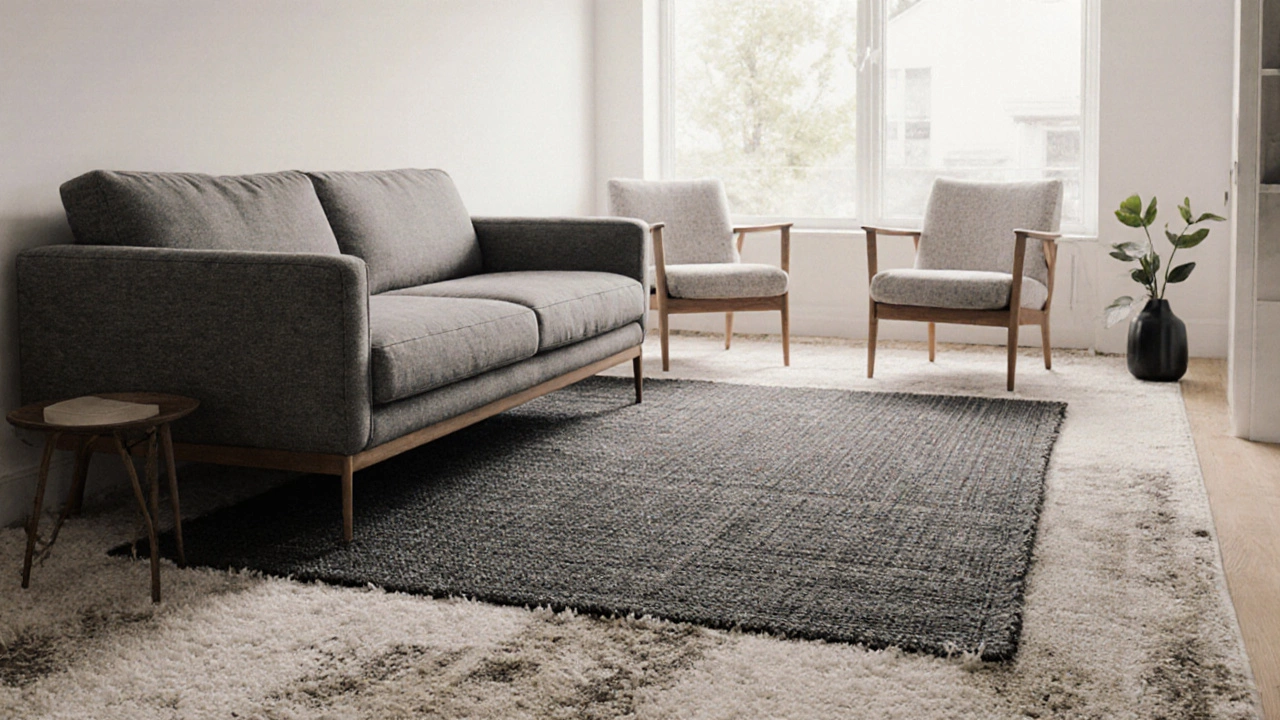
Is It Dumb to Put a Rug Over Carpet? Here’s What Actually Works
Putting a rug over carpet isn't dumb-it's a smart, affordable way to add comfort, style, and definition to any room. Learn what works, what doesn't, and how to do it right.
View More