Textile Exports India: Key Fabrics, Regions, and Global Demand
When we talk about textile exports India, the global trade of woven, knitted, or embroidered fabrics produced in India. Also known as Indian fabric exports, it’s one of the country’s oldest and most reliable economic engines, supplying everything from everyday cotton to luxury silk across continents. India doesn’t just make textiles—it makes them with skill, history, and scale. In 2024, textile exports hit over $40 billion, making India the 5th largest exporter in the world. And it’s not just about quantity. Buyers from the U.S., Germany, and the UAE come back because Indian textiles offer something machines can’t easily copy: craftsmanship.
Behind those numbers are real places and real fabrics. Gujarat textiles, a cluster of handloom and powerloom centers in western India. Also known as Gujarat handloom, it’s where you’ll find Bandhani fabric, a tie-dye technique dating back 5,000 years, used in saris, dupattas, and even modern scarves. And then there’s Patola silk, a double ikat weave from Patan that takes months to make and sells for thousands. These aren’t just fabrics—they’re cultural artifacts with global demand.
It’s not all handwoven. India also exports millions of meters of printed cotton, denim, and home textiles like bed sheets and towels. Cities like Tiruppur in Tamil Nadu and Ludhiana in Punjab have turned into export powerhouses, shipping ready-made garments to Walmart, H&M, and Zara. What makes India stand out? Lower labor costs, strong raw material supply (it’s the world’s biggest cotton producer), and government support through export incentives. But the real edge? Artisans who still do things the old way—by hand, with patience, and with pride.
What you’ll find in the posts below are real stories about Indian textiles: why Gujarat leads in fabric production, how Mumbai’s textile markets survive in the age of fast fashion, and what makes certain fabrics like Khadi and Paithani worth more than their weight in gold. These aren’t just product lists—they’re windows into how tradition, trade, and technology are shaping India’s textile future.
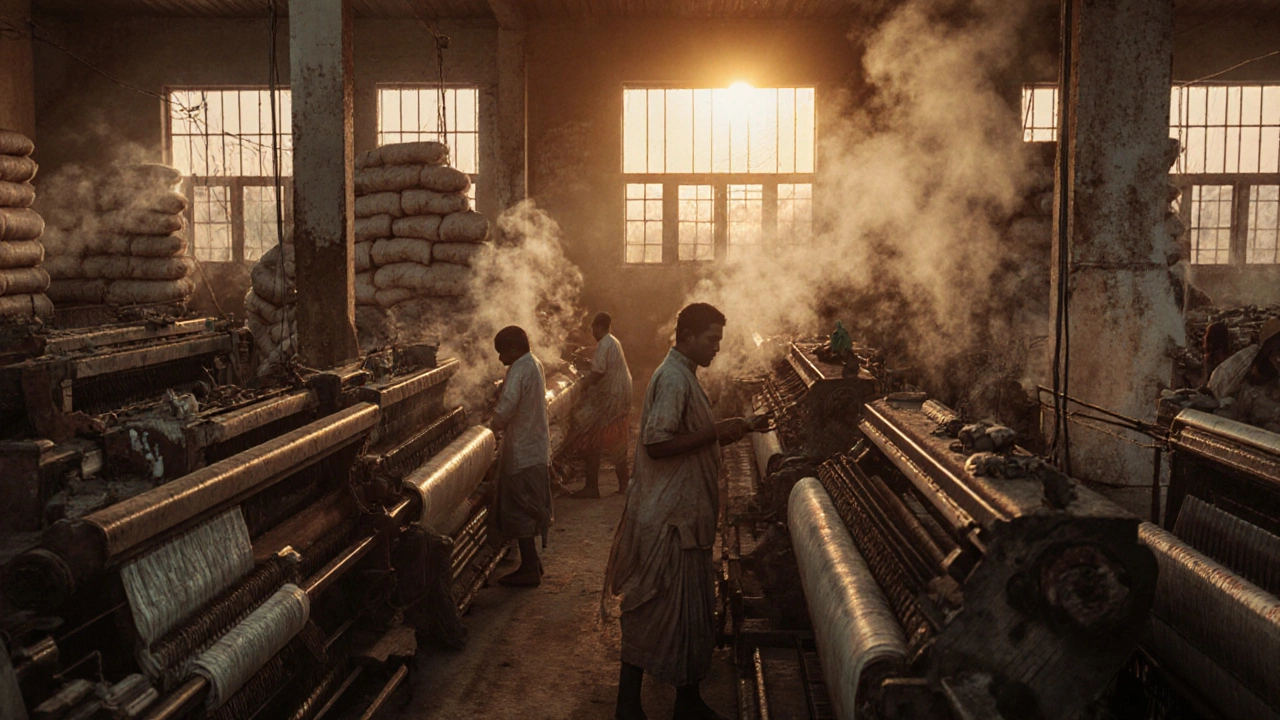
What is the current situation of the textile industry in India?
India's textile industry is a $150 billion powerhouse employing 45 million people. With rising exports, government support, and innovation in sustainable fabrics, it's transforming from a low-cost producer to a global leader in smart and eco-friendly textiles.
View More