Thread Pitch Explained: What It Is and Why It Matters in Manufacturing
When you turn a screw into wood or metal, the thread pitch, the distance between one thread crest and the next on a screw or bolt. Also known as lead, it’s not just a number—it’s what keeps your shelf from wobbling, your engine from falling apart, and your factory line running smoothly. It’s the hidden math behind every threaded fastener you use daily. Get the pitch wrong, and even the strongest screw won’t hold. Get it right, and you’ve got a connection that lasts.
Thread pitch isn’t just about screws. It shows up in fasteners, components like bolts, nuts, and threaded rods used to join parts in machinery and home goods, and in the manufacturing, the process of making physical products at scale, from tissue machines to kitchen tools equipment that builds the things we rely on. In India’s growing industrial sector, from Gujarat’s chemical plants to Mumbai’s textile factories, precise thread pitch ensures parts fit together without custom machining. That’s why manufacturers don’t guess—they measure. A 1.25 mm pitch isn’t arbitrary; it’s chosen because it balances strength, ease of assembly, and resistance to vibration. Too tight, and the thread strips. Too loose, and it vibrates loose.
What you’ll find in the posts below isn’t a textbook on threading. It’s real-world insight from people who build things. You’ll see how thread pitch connects to the machines that make tissues, the tools used in furniture making, and even why certain fasteners work better in certain materials. It’s not just about engineering—it’s about making things that last, cost less, and work the first time. Whether you’re starting a small workshop or just curious why your new shelf didn’t fall apart, understanding thread pitch gives you real control over what you build.
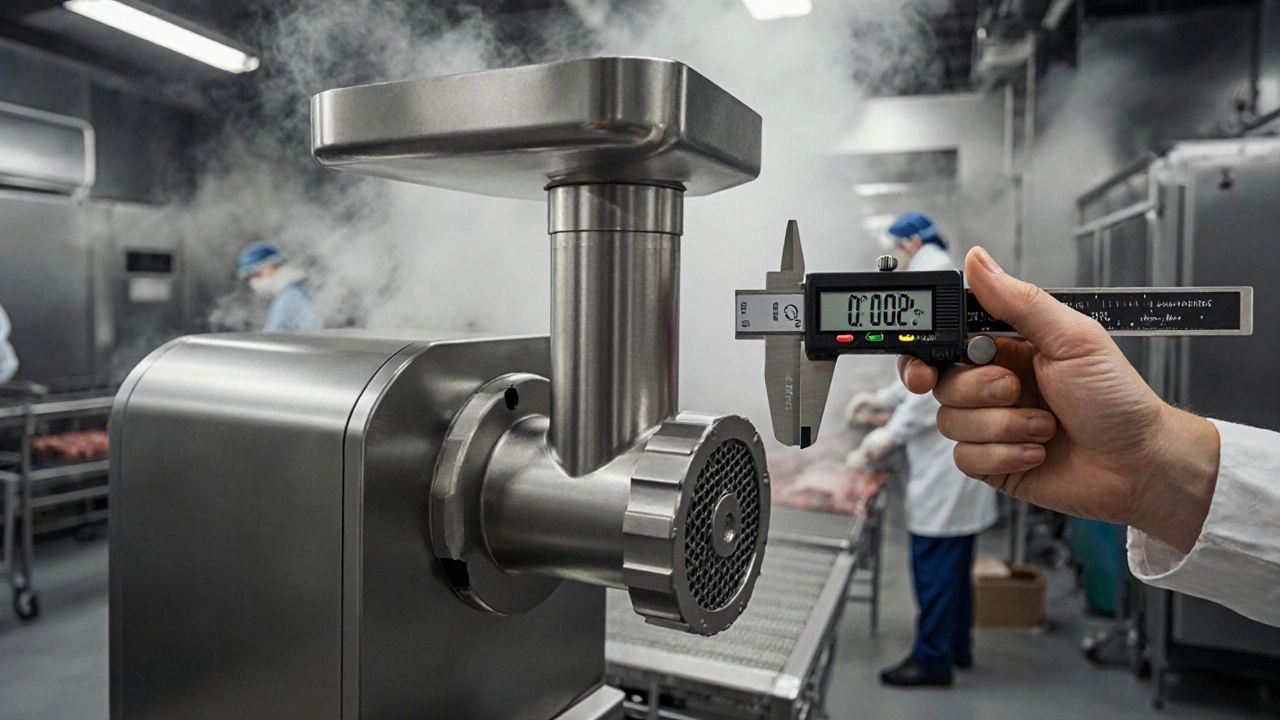
What Is 0.1 Inch Called in Food Processing Units?
0.1 inch is called one-tenth of an inch in food processing. This tiny measurement is critical for machine gaps, blade clearances, and food safety. Learn how it's used, why it matters, and how to measure it accurately.
View More