US plastic production: How it shapes global waste, pollution, and manufacturing
When we talk about US plastic production, the large-scale manufacturing of plastic materials in the United States, primarily for packaging, consumer goods, and single-use items. It’s also known as American plastic manufacturing, and it’s responsible for nearly 20% of the world’s plastic output—more than any other country except China. That’s not just a number. It’s millions of tons of plastic bags, bottles, food containers, and packaging materials made every year, most of which end up in landfills or the ocean.
Here’s the problem: the US doesn’t recycle enough. Less than 10% of plastic waste gets recycled. The rest? It’s shipped overseas, burned, or dumped. Countries like the Philippines and Indonesia now carry the burden of America’s plastic waste because their systems can’t handle it. This isn’t just a foreign issue—it’s a global one. plastic pollution, the accumulation of plastic waste in the environment, especially oceans and waterways is growing fast, and the US is one of the top contributors. plastic waste, discarded plastic materials that aren’t reused or properly managed doesn’t disappear. It breaks down into microplastics, gets into our food, our water, even our air.
Meanwhile, plastic manufacturing, the industrial process of turning petroleum into usable plastic products in the US is still expanding, especially in states like Texas and Louisiana, where petrochemical plants line the Gulf Coast. These factories churn out plastic at a rate that outpaces recycling efforts, public awareness, and government regulation. And while India and other countries are pushing for sustainable alternatives—like the eco-friendly tissues made in India—American plastic production keeps growing on old habits.
What does this mean for you? It means every tissue box, every paper towel roll, every kitchen wrap you buy has a hidden cost. The same systems that make cheap plastic in the US also make cheap, disposable home goods that pollute the planet. But change is possible. Communities are pushing back. Brands are shifting. And places like Innovative Tissues India are proving you can make high-quality, everyday home goods without relying on plastic waste.
Below, you’ll find real discussions about plastic pollution, waste systems, and how manufacturing choices—whether in Gujarat or Ohio—affect your home, your health, and the planet. No fluff. Just facts, fixes, and what actually works.
How Many Plastic Factories Are There in the US?
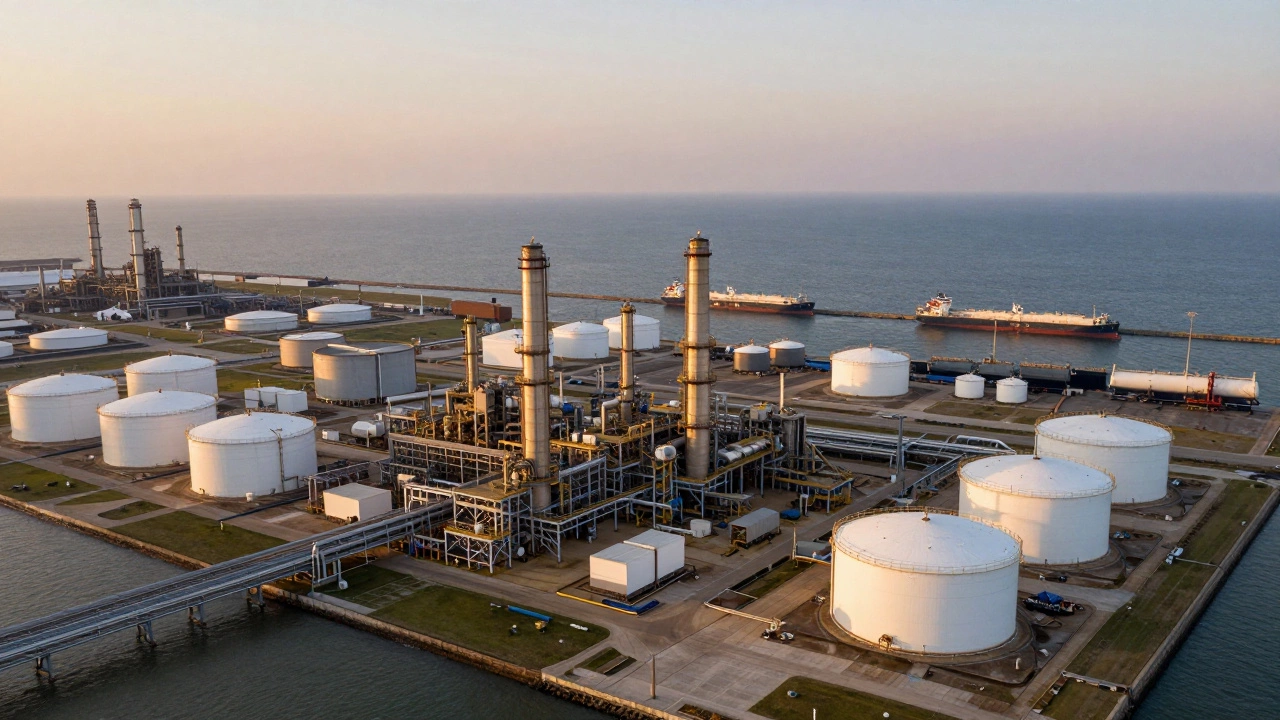
The U.S. has about 1,500 plastic factories that produce resin and finished products. Most are clustered along the Gulf Coast, with major hubs in Texas, Ohio, and California. The industry is shrinking in number but growing in efficiency and automation.
View More