Dreamer Couch Compatibility Checker
Answer the following questions to see how well a Dreamer (Cloud) Couch matches your needs.
Physical Comfort & Mobility
Household Environment
Lifestyle Priorities
0%
Calculating...Result Headline
Summary text goes here.
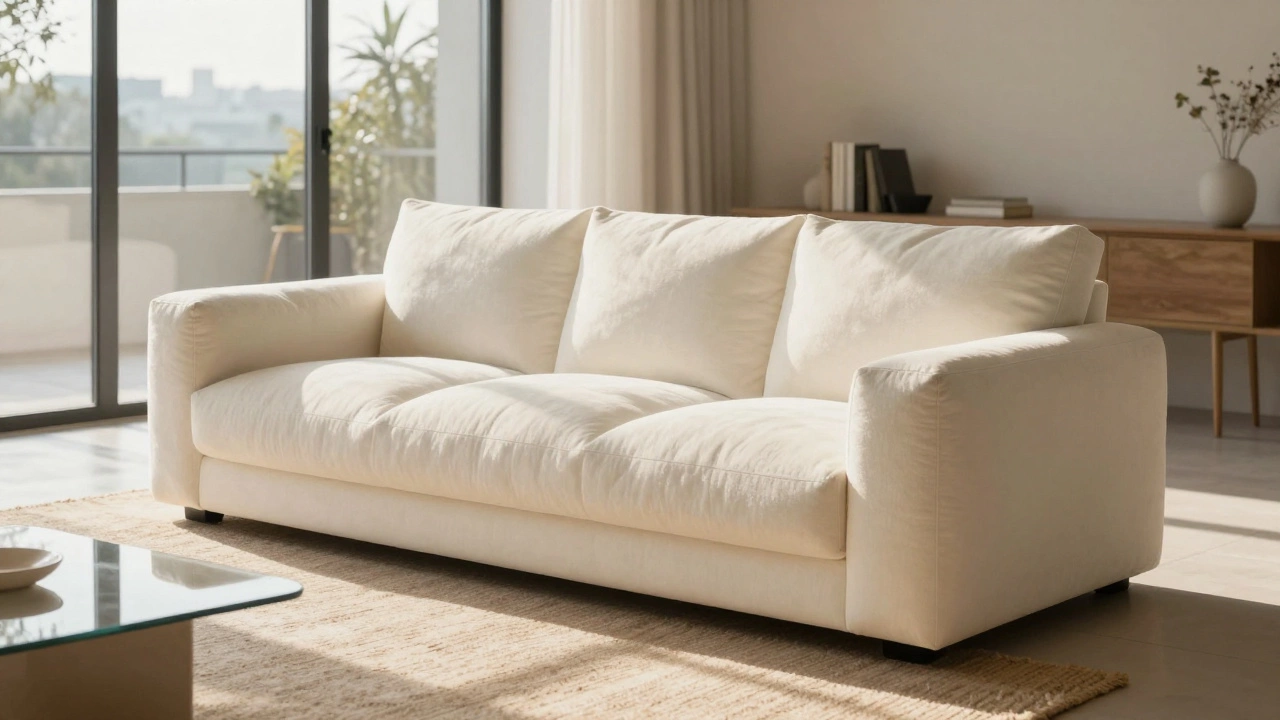
Have you ever sat on a piece of furniture that felt less like sitting and more like floating? That sinking, weightless sensation where your body seems to disappear into the cushions is exactly what defines the dreamer couch. If you have been scrolling through interior design feeds lately, you might have seen these massive, billowy sofas taking over living rooms. They look like giant marshmallows or cumulus clouds brought indoors. But before you rush out to buy one, it helps to understand what you are actually getting. Is it just a trend, or is it the future of comfort?
The term "dreamer couch" isn't a strict technical classification found in engineering manuals. Instead, it is a descriptive label used by retailers and designers for a specific style of seating: low-profile, heavily cushioned, and often modular. It draws its inspiration from the famous "Cloud Sofa" (Divano Sospeso) designed by Antonio Citterio and Paolo Naboni for B&B Italia in 1974. Today, however, the term covers a wide range of products, from luxury Italian imports to affordable knock-offs found on major online marketplaces. Understanding the difference between a true designer piece and a generic "cloud-style" sofa is crucial for making a smart purchase.
The Anatomy of a Dreamer Couch
So, what makes a dreamer couch different from your standard mid-century modern sectional or a traditional Chesterfield? It comes down to three main factors: silhouette, filling, and structure.
| Feature | Dreamer/Cloud Style | Traditional Sofa |
|---|---|---|
| Silhouette | Low profile, rounded edges, no visible arms | Defined arms, higher backrests, structured frame |
| Cushioning | High-resilience polyurethane foam, often layered with down | Innerspring coils, pocket springs, or dense foam |
| Support System | Wooden slats or solid wood base, no metal springs | Metal sinuous springs or zigzag springs |
| Modularity | Often modular (L-shapes, chaise extensions) | Usually fixed configuration |
The most defining characteristic is the lack of a rigid armrest. Most dreamer couches feature a continuous seat cushion that wraps around the sides, creating a seamless, pillow-like appearance. This design choice eliminates hard edges, making the sofa feel like a single, large beanbag chair but with significantly better support. The height is also notably lower than average, usually sitting between 15 to 18 inches from the floor. This low center of gravity contributes to the "grounded" feeling that users describe as relaxing.
Internally, the magic happens in the foam. Unlike older sofas that relied on metal springs which can squeak and sag over time, dreamer couches typically use layers of high-density polyurethane foam. Some premium versions mix this foam with goose down or feather clusters. This combination creates that signature "sink-in" effect. When you sit down, the foam compresses slowly, molding to your body shape rather than pushing back against you immediately. It is this slow response time that gives the couch its dreamy reputation.
Why They Are So Popular Right Now
You might be wondering why these bulky, soft-looking sofas have suddenly become everywhere. The rise of the dreamer couch aligns perfectly with several major shifts in how we live and decorate our homes.
First, there is the "comfort-first" movement. After years of prioritizing sleek, minimalist designs that were stylish but often uncomfortable, homeowners are demanding furniture that feels good. We spend more time at home now than ever before. Whether you are working from your living room, binge-watching shows, or hosting friends, the need for ergonomic yet plush seating has skyrocketed. A dreamer couch offers a compromise: it looks modern and chic, but it feels like lounging in bed.
Secondly, the aesthetic fits the current "Soft Minimalism" or "Japandi" trends. These styles favor neutral colors, natural textures, and organic shapes. The rounded corners of a cloud sofa soften the hard lines of a modern apartment. They act as visual anchors in a room without feeling aggressive or imposing. In smaller spaces, a low-profile dreamer couch can actually make a room feel larger because it doesn't block sightlines across the room.
Finally, social media plays a huge role. These sofas are incredibly photogenic. Their clean lines and fluffy texture photograph beautifully, making them favorites for Instagram and Pinterest influencers. Once a few key influencers featured them, the demand exploded, leading to a surge in production from manufacturers worldwide.

Materials and Upholstery Options
When shopping for a dreamer couch, the fabric choice is almost as important as the foam inside. Because the cushions are so deep and soft, they show wear differently than structured sofas. Here is what you need to know about the common materials used.
- Bouclé Fabric: This is the quintessential dreamer couch material. Bouclé is a looped yarn fabric that has a nubby, textured surface. It hides small stains and wrinkles well due to its irregular pattern. It adds warmth and coziness to a room. However, bouclé can snag if you have pets with claws or jewelry with sharp edges. It requires regular vacuuming to remove dust trapped in the loops.
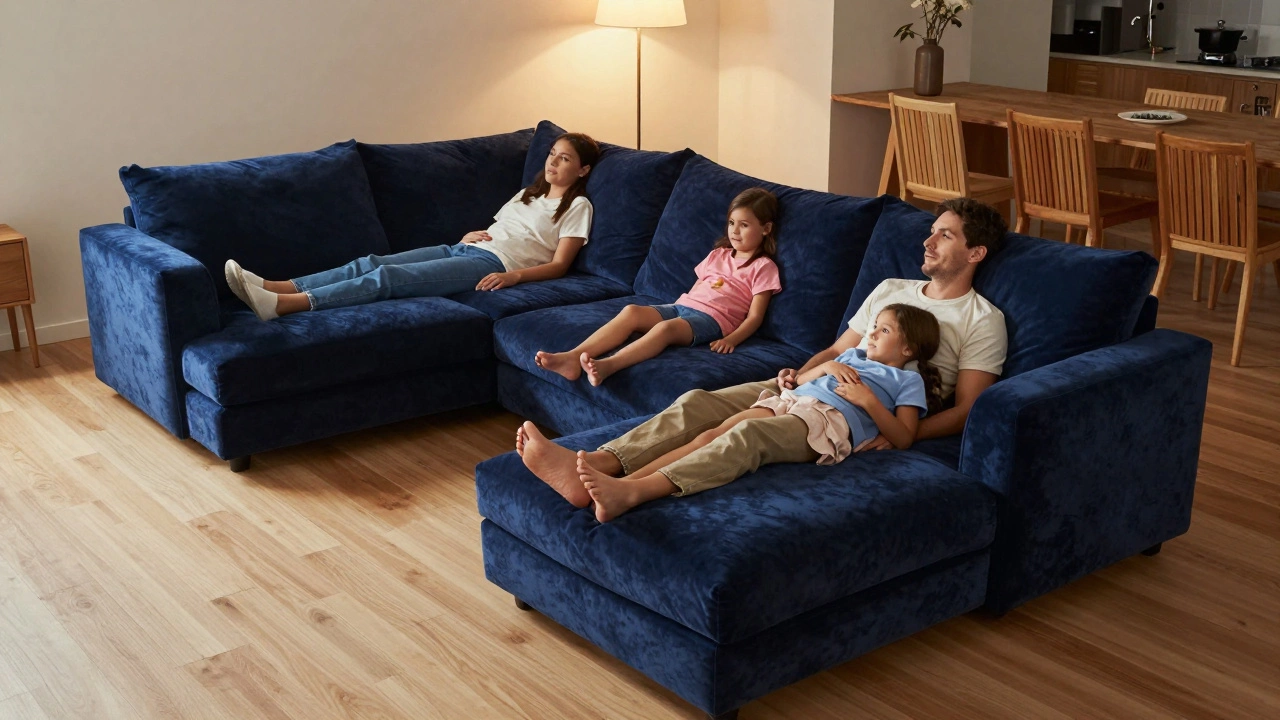
- Velvet: Velvet offers a luxurious, smooth feel that complements the softness of the foam. It is durable and resistant to crushing, which means the sofa maintains its shape well. Velvet is also relatively easy to clean; most spills bead up on the surface if treated properly. Darker velvets hide dirt better, while lighter shades offer a fresh, airy look.
- Leather: While less common for the ultra-plush cloud style, leather dreamer couches exist. They offer a sleek, contemporary contrast to the soft form. Leather is highly durable and easy to wipe clean, making it ideal for households with young children or messy eaters. However, leather does not "breathe" as well as fabric, which can make it feel warmer in summer and colder in winter.
- Linen Blend: For a more casual, Scandinavian vibe, linen blends are popular. They are breathable and lightweight. The downside is that linen wrinkles easily and can fade in direct sunlight. Look for a cotton-linen blend for better durability and wrinkle resistance.
If you have pets, avoid loose-weave fabrics. Tighter weaves like microfiber or performance velvet are safer bets. Always check if the fabric is removable and machine washable. With a couch this comfortable, accidents happen, and having removable covers is a lifesaver.
Pros and Cons: Is It Right for You?
No piece of furniture is perfect. Before you commit to a dreamer couch, consider these practical aspects.
The Pros:
- Unmatched Comfort: The primary selling point. It is arguably the most comfortable type of sofa available for lounging.
- Modular Flexibility: Many dreamer couches come in modular sections. You can start with a two-seater and add an L-shaped corner or a chaise later. This allows you to customize the layout to fit your exact room dimensions.
- Aesthetic Appeal: They look expensive and designer-forward, elevating the look of any living space.
- Easy Assembly: Since they often lack complex spring systems, they are generally easier to assemble and move than heavy, traditional sofas.
The Cons:
- Difficulty Getting Up: The low height and deep sinkage can make it harder for elderly individuals or those with knee problems to stand up. There is no firm armrest to push off from.
- Posture Support: If you tend to sit upright to read or work, a dreamer couch might not provide enough lumbar support. You may find yourself slouching, which could lead to back pain over time.
- Floor Space: Despite their cozy look, these sofas are often wider and deeper than they appear. They can dominate a small room, leaving little walking space.
- Maintenance: The deep crevices between cushions can trap crumbs, pet hair, and dust. You will need to vacuum regularly and fluff the cushions frequently to maintain the shape.
How to Choose the Right One
With so many options on the market, how do you pick the best dreamer couch? Start by measuring your space accurately. Remember to account for the depth. A typical dreamer couch can be 35 to 40 inches deep. Ensure you have at least 30 inches of clearance in front of it for walking.
Next, decide on the firmness level. Not all "cloud" sofas are equally soft. Some use firmer foam cores for better support, while others prioritize maximum plushness. If you have back issues, look for models that mention "high-resilience foam" or "supportive core." Avoid those that rely solely on down feathers, as they may flatten out too much.
Consider the frame construction. High-quality dreamer couches use kiln-dried hardwood frames (like oak or beech). Cheaper alternatives may use particleboard or pine, which can warp or break under weight over time. Check the weight capacity of each seat section. A good quality sofa should support at least 250-300 lbs per seat.
Finally, think about the color. Light-colored bouclé looks stunning but shows every stain. If you have kids or pets, a medium-grey, beige, or even a dark navy might be more practical. You can always add colorful throw pillows to brighten up the look without risking the main upholstery.
Styling Tips for Your Living Room
Because a dreamer couch is such a dominant piece, styling around it requires balance. Don't overcrowd the sofa with too many accessories. Let its shape speak for itself.
Pair it with a coffee table that contrasts in material. If your sofa is soft and round, choose a coffee table with hard, geometric lines-think glass, metal, or polished wood. This creates visual interest and prevents the room from looking too "soft." A low, rectangular wooden table works particularly well.
Add texture with rugs. A jute or sisal rug underneath the sofa grounds the space and adds a natural element. Make sure the rug is large enough so that the front legs of the sofa rest on it, anchoring the seating area.
Lighting is also key. Since the sofa is low, overhead lighting can sometimes cast shadows on your face if you are reading. Add a floor lamp behind the sofa or a side table lamp to create warm, ambient light that enhances the cozy atmosphere.
Is a dreamer couch the same as a cloud sofa?
Not exactly. The "Cloud Sofa" is a specific design created by B&B Italia. A "dreamer couch" is a broader term used to describe any sofa with a similar cloud-like, low-profile, and heavily cushioned aesthetic. While they share similarities, dreamer couches can vary widely in quality, materials, and price compared to the original designer piece.
Are dreamer couches good for people with back pain?
It depends on the individual. For some, the soft, molding support relieves pressure points and relaxes muscles. For others, the lack of firm lumbar support and the difficulty in getting up can exacerbate back pain. If you have chronic back issues, look for models with firmer foam cores or add supportive lumbar pillows.
How do I clean a bouclé dreamer couch?
Regular vacuuming with an upholstery attachment is essential to remove dust and debris from the loops. For stains, blot immediately with a clean cloth. Use a mild detergent mixed with water and test it on a hidden area first. Avoid rubbing, as this can damage the fibers. Professional cleaning is recommended annually for heavy use.
Can I put a dreamer couch in a small apartment?
Yes, but choose wisely. Opt for a two-seater or a compact modular version rather than a massive sectional. The low profile helps make the room feel taller and more open. Just ensure you measure your entryway and elevator dimensions, as these sofas can be bulky to move.
Do dreamer couches sag over time?
Like all furniture, they can lose shape if made with low-density foam. High-quality dreamer couches use high-resilience foam that retains its shape for years. Regularly fluffing and rotating the cushions can help extend their life and maintain an even appearance.