Indian Textile Terminology & Value Estimator
Discover the current market terminology for your product and estimate its perceived value tier.
Market Analysis
Select options above and click "Analyze" to see how your product should be labeled in the 2026 market.
You walk into a boutique in Toronto or browse an online store, and you see a kurta that looks like it belongs in a museum but fits like your favorite hoodie. You ask the salesperson, "Is this traditional Indian style?" They hesitate. "Well," they say, "it's more of a contemporary fusion." That hesitation tells you everything. The term "Indian style" is fading, not because the culture is disappearing, but because the industry has fragmented into specific, high-value niches.
If you are looking for what Indian style is called today, you won't find one single answer. Instead, you will find a lexicon of terms driven by manufacturing methods, sustainability claims, and design philosophies. For manufacturers and buyers, understanding these labels is crucial. Mislabeling a product can mean missing out on premium pricing tiers or alienating eco-conscious consumers. Let's break down the actual terminology dominating the market in 2026.
The Shift from "Traditional" to "Heritage Craftsmanship"
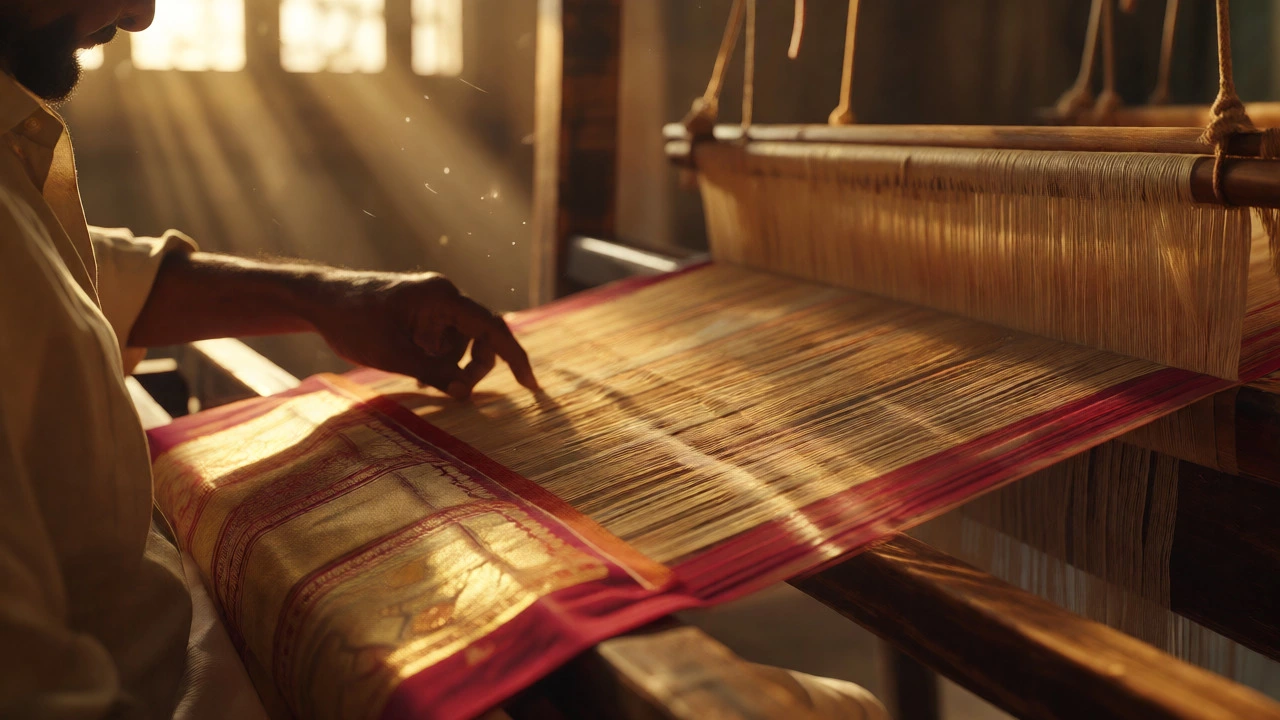
For decades, anything with a block print or a silk weave was lumped under "traditional." Today, that word feels too broad, almost dismissive. Brands have pivoted to Heritage Craftsmanship, which emphasizes the artisanal origin, specific regional techniques, and historical continuity of the textile. This isn't just marketing fluff; it’s a supply chain reality. When a manufacturer in Varanasi produces Banarasi silk, they aren't just selling fabric; they are selling the story of the weaver and the specific loom used.
This shift impacts how products are categorized in export databases. If you search for "Indian textiles," you get millions of results. But if you filter by "Geographical Indication (GI) tagged," you enter a world of protected status. Terms like Kanjeevaram, a type of silk sari originating from Kanchipuram, Tamil Nadu, known for its durability and contrasting borders or Pochampally Ikat, a geometric pattern created through resist-dyeing techniques before weaving are no longer just names-they are legal identifiers. Using them incorrectly can lead to trademark disputes. For the modern buyer, "Heritage" signals authenticity and traceability, two things mass-produced fast fashion cannot replicate.
Sustainable and Handloom: The New Luxury
Here is where the conversation gets interesting for manufacturers. The biggest driver of new terminology is sustainability. "Eco-friendly" is outdated. Too vague. Too greenwashed. The current preferred terms are Handloom, textiles woven manually on non-power looms, characterized by slight irregularities and higher labor intensity and Natural Dyes, colorants derived from plants, minerals, or insects, avoiding synthetic chemical compounds.
Why does this matter? Because the price point changes. A power-loom cotton shirt might cost $15. A handloom cotton shirt using natural dyes might cost $85. The difference isn't just the fabric; it's the carbon footprint and the labor ethics. Consumers in North America and Europe now actively search for "slow fashion" tags. If your inventory is labeled simply as "Indian Cotton," you are competing with Bangladesh and Vietnam on price. If you label it "Khadi Handspun," you are competing on value.
| Old Term | Current Preferred Term | Consumer Perception | Price Implication |
|---|---|---|---|
| Traditional Wear | Ethnic Contemporary | Cultural relevance without stiffness | Moderate Premium |
| Handmade | Artisanal / Handcrafted | Unique, human touch, ethical | High Premium |
| Organic | GOTS Certified / Regenerative | Verified safety, environmental impact | Standard to High |
| Fancy Dress | Occasion Wear / Couture | Exclusivity, design-led | Variable |
Ethnic Contemporary: Bridging the Gap
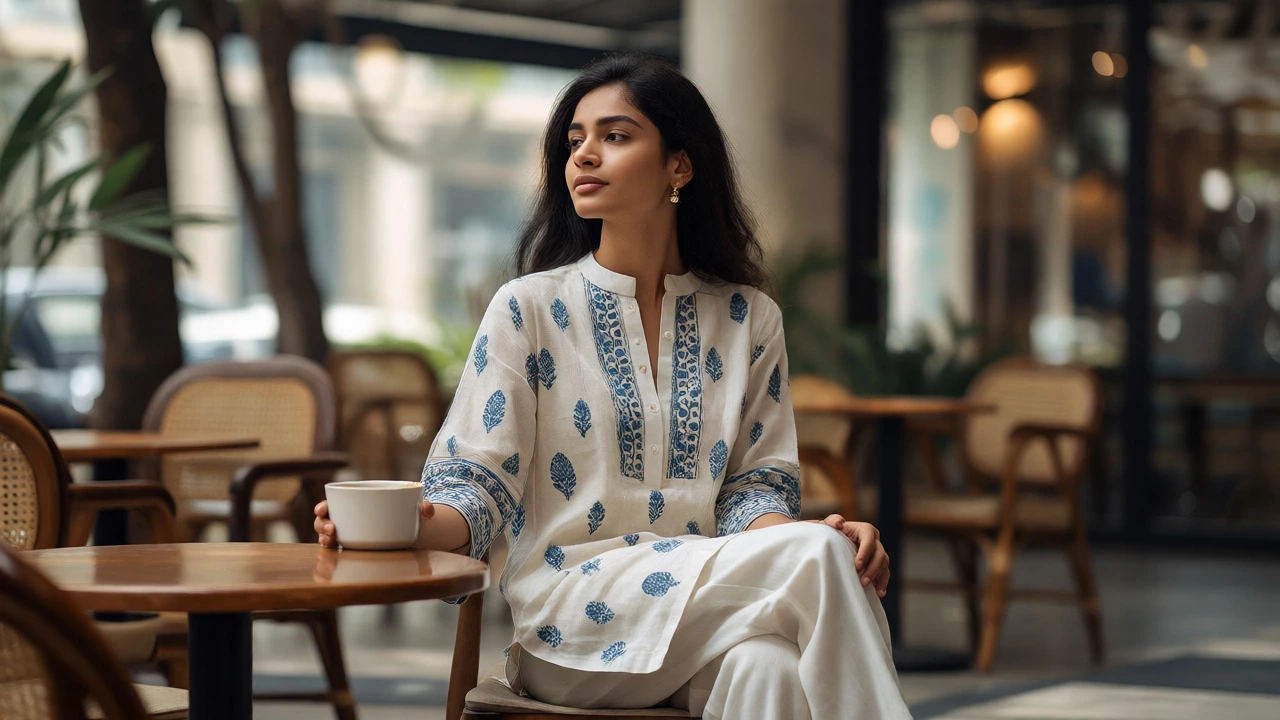
Let's talk about style itself. The old dichotomy was "Western clothes" versus "Indian clothes." That binary is dead. The term Ethnic Contemporary, designs that blend traditional Indian silhouettes or motifs with modern cuts, fabrics, and styling has taken over. Think of a Anarkali suit cut like a maxi dress, or a Nehru jacket worn over jeans. This category appeals to the diaspora who want to honor their roots without wearing a full sari to a coffee shop.
For manufacturers, this requires a different approach to design. You aren't just replicating heritage patterns; you are adapting them. This involves digital printing combined with traditional embroidery, or using linen (a Western staple) with Indian block prints. The keyword here is "versatility." Marketing copy now focuses on how many ways a piece can be styled, rather than just its cultural significance. It’s less about "this is what our grandmothers wore" and more about "this fits your modern lifestyle."
The Rise of Khadi and Village Industries
You might think Khadi, hand-spun and hand-woven cloth made primarily from cotton, historically promoted by Mahatma Gandhi is a relic of the independence movement. In 2026, it’s a luxury commodity. Why? Because global supply chains are still shaky, and people crave transparency. Khadi offers a direct link to the spinner and the weaver. No middlemen hiding margins.
The government-backed initiatives like the Khadi and Village Industries Commission (KVIC), a statutory body established to promote khadi and village industries in India have modernized branding. You’ll see Khadi sold in sleek, minimalist packaging in high-end stores. The term "Khadi" now implies breathability, zero-waste production, and social impact. It’s no longer just "rough cotton." It’s a statement. If you are sourcing for a boutique, asking for "Certified Khadi" ensures you’re getting the real deal, not machine-made imitations dyed to look rustic.
How to Identify Authentic Indian Textiles Today
With all these new terms, how do you know what you’re buying? Or, if you are a retailer, how do you verify your suppliers? Here is a quick checklist based on current industry standards:
- Check for GI Tags: Look for logos indicating Geographical Indication. This protects names like Darjeeling Tea or Mysore Sandalwood, and similarly, Pashmina or Chanderi.
- Ask for Fiber Content: Don’t settle for "cotton blend." Ask for percentages. Is it 100% organic cotton? Is it a Tencel-silk blend?
- Verify Dye Methods: Ask if the dyes are AZO-free. Synthetic azo dyes can release carcinogenic amines. Natural dye certification is becoming a standard requirement for EU exports.
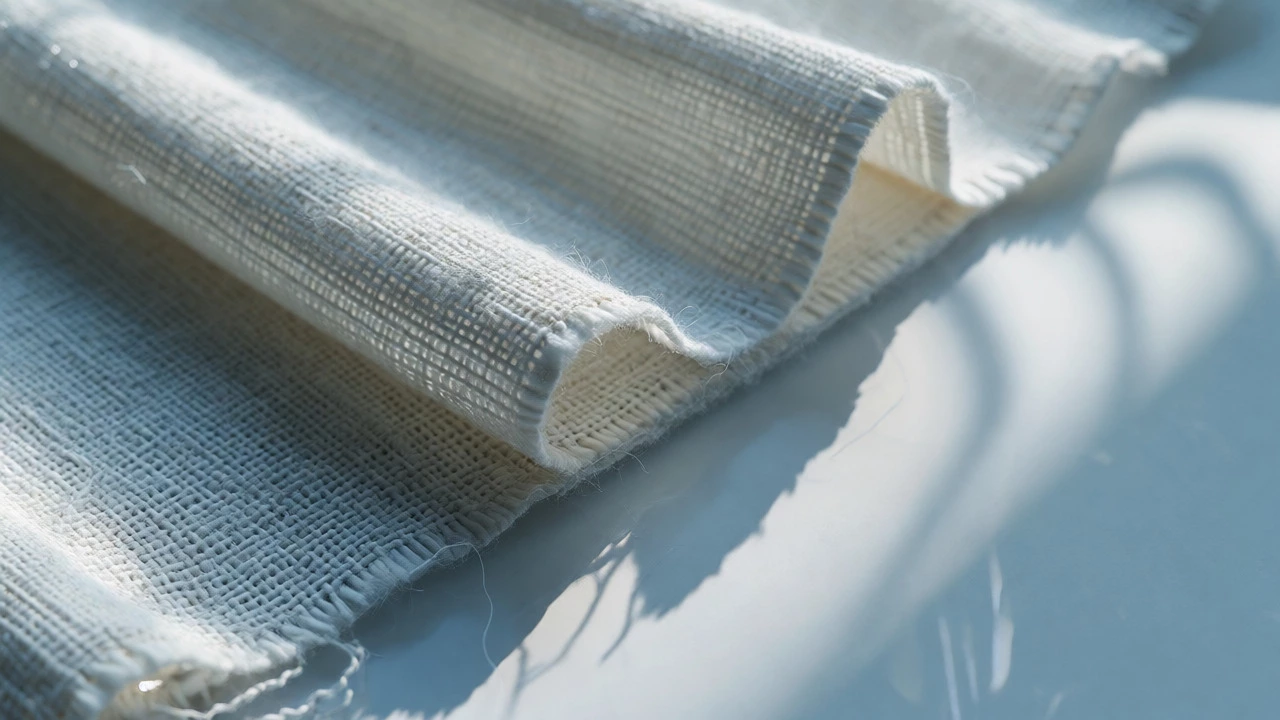
- Inspect the Weave: True handloom often has slight imperfections or "slubs." Perfect uniformity usually indicates power loom production.
These steps protect you from paying premium prices for mass-market goods. The gap between perception and reality in textile labeling is wide, and closing it requires asking the right questions.
The Future: Tech-Infused Tradition
Where is this heading? We are seeing the emergence of "Smart Ethnic Wear." Imagine a saree with embedded temperature-regulating fibers, or a kurta with stain-resistant nano-coatings that maintain the feel of pure silk. The terminology is shifting again, toward Functional Heritage, traditional designs enhanced with modern technical fabrics for improved performance and comfort.
This isn't science fiction. Companies are already experimenting with antimicrobial treatments on cotton and UV-protection finishes on linens. For manufacturers, this means investing in finishing technologies alongside traditional weaving skills. The future of "Indian style" isn't just about preserving the past; it's about engineering it for the future climate and lifestyle demands.
So, what is Indian style called now? It’s a mix of Heritage, Sustainability, and Contemporary Functionality. It’s no longer a monolith. It’s a spectrum. And for those in the textile business, navigating this spectrum correctly is the difference between blending in and standing out.
Is "Ethnic Wear" the same as "Traditional Wear"?
Not exactly. "Traditional wear" refers to garments that strictly follow historical cuts and customs, such as a classic sari or dhoti. "Ethnic wear" is a broader umbrella term that includes both traditional pieces and modern adaptations that use cultural motifs, fabrics, or inspirations but may feature contemporary silhouettes suitable for daily wear.
Why is "Handloom" considered more expensive than power loom?
Handloom textiles require significantly more time and skilled labor per meter. A single handloom sari can take weeks to weave, whereas a power loom can produce meters per hour. Additionally, handloom often uses finer, sometimes organic yarns and supports rural livelihoods directly, adding to the ethical value proposition which reflects in the price.
What does a GI Tag mean for Indian textiles?
A Geographical Indication (GI) tag certifies that a product originates from a specific geographical area and possesses qualities or reputation due to that origin. For textiles, this guarantees authenticity. For example, only silk produced in specific districts of Tamil Nadu can be labeled as Kanjeevaram. It prevents counterfeit products from misusing regional reputations.
Are natural dyes always better than synthetic dyes?
Environmentally, yes, natural dyes are biodegradable and less toxic. However, they often have lower color fastness, meaning they may fade faster when washed or exposed to sunlight. Modern processing techniques have improved this, but consumers should expect some patina development over time with natural dyes, which many view as a desirable characteristic of aging.
Can I wear Indian style clothing in professional settings?
Absolutely. The rise of "Ethnic Contemporary" and "Indo-Western" styles has made this common. Pieces like structured kurtas, waistcoats, and draped tops are designed specifically for office environments. Pairing them with trousers or skirts creates a professional yet culturally distinct look that is widely accepted in global corporate cultures.
Apr 16 2025

Feb 12 2025