Window Treatment Decision Tool
Should You Skip Curtains?
Select all situations that apply to your space
Light & Space Conditions
Design & Functionality
We are taught from a young age that windows need dressing. It’s almost a rule of thumb in interior design: buy the frame, hang the fabric, done. But what if that rule is actually working against you? There are specific scenarios where curtains don’t just fail-they actively ruin a room’s potential. They can block precious sunlight, clutter up small spaces, or simply clash with an architectural feature you should be showing off.
Sometimes, the best thing you can do for your home is nothing at all. Leaving a window bare isn’t a sign of laziness; it’s a deliberate design choice. In this guide, we’ll look at exactly when you should skip the drapes and let your windows speak for themselves.
1. When You Want Maximum Natural Light
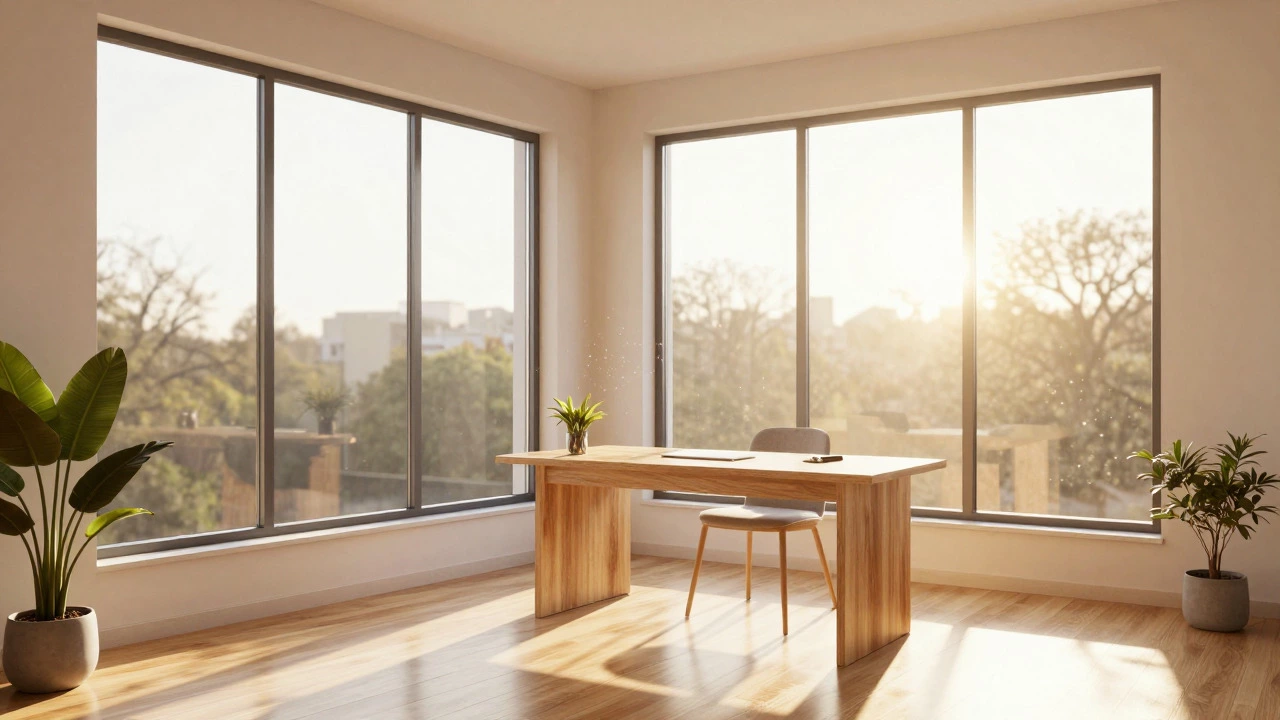
Natural light is the most valuable asset in any home. It boosts mood, saves on electricity bills, and makes spaces feel larger. Heavy blackout curtains are thick fabrics designed to block out external light completely, while even sheer panels absorb a percentage of incoming rays. If you live in a basement apartment, a north-facing studio, or a city like Toronto where winter days are short and gray, every bit of light counts.
If your priority is brightness, bare windows win every time. No fabric means no obstruction. Sunlight hits the floor directly, bouncing around the room and illuminating corners that would otherwise stay dark. This is especially true for rooms used as home offices or creative studios where eye strain is a real concern. By removing the layer between the glass and the air, you maximize the lumens entering the space without buying expensive lighting fixtures to compensate.
2. Small Rooms That Feel Cluttered
Small spaces suffer from visual weight. Every object in a room takes up mental space. A heavy valance, long pooling drapes, and bulky tie-backs add significant volume to a tiny bedroom or a cramped bathroom. In these cases, curtains act as visual noise rather than decoration.
Consider a small powder room or a compact entryway. Hanging full-length curtains here often looks disproportionate and overwhelming. The fabric draws the eye down and inward, making the walls feel closer together. Bare windows keep the sightlines clean and open. Your eyes travel straight through the window to the outside view, creating an illusion of depth. Without the vertical lines of fabric breaking up the wall space, the room feels more expansive and less confined.
3. Showcasing Architectural Details
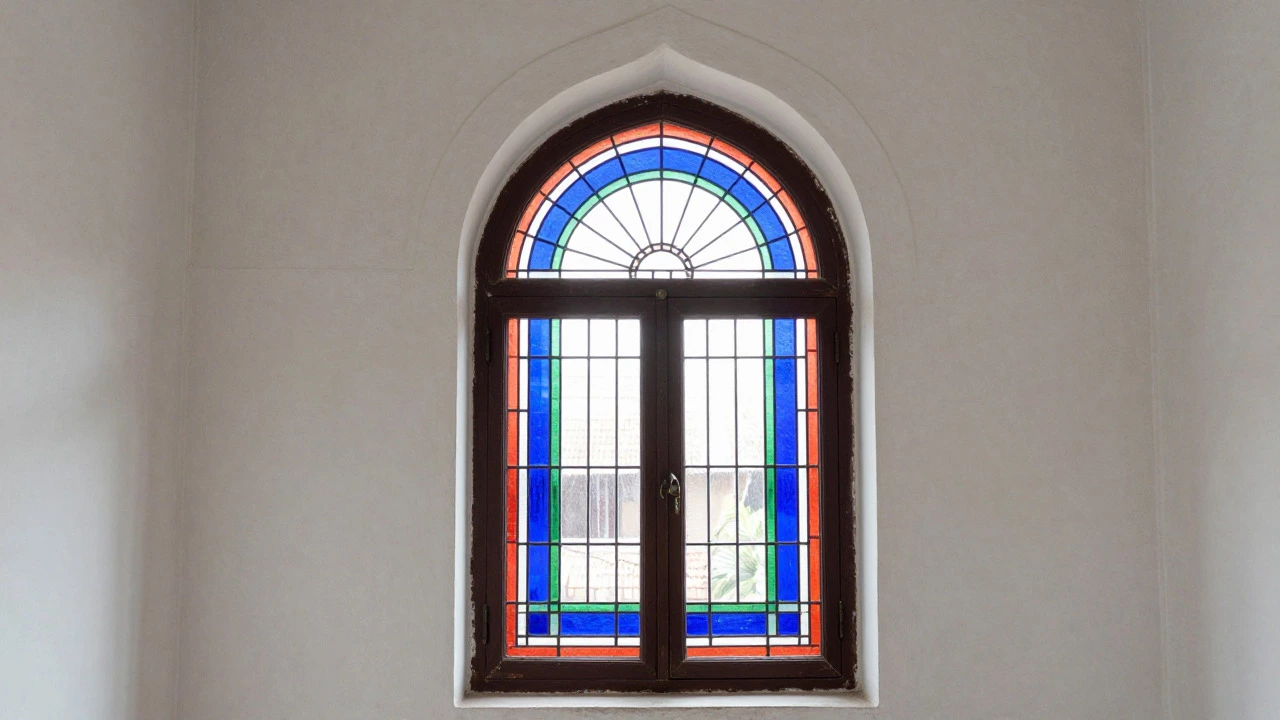
Not all windows are standard rectangular holes in the wall. Some homes have beautiful arched windows, leaded glass patterns, or vintage stained glass. These features are architectural art. Covering them with generic beige linen is like putting a sheet over a painting.
If you own a heritage home or a property with custom millwork, the window frame itself is the focal point. Stained glass is colored glass arranged into decorative patterns held together by lead strips. It changes color throughout the day as the sun moves. To appreciate this, the glass must be unobstructed. Even minimal blinds can cast shadows that distort the pattern. Leaving these windows bare allows the craftsmanship to shine. It signals confidence in the home’s original character rather than trying to hide it behind modern decor trends.
4. Minimalist and Modern Aesthetics
Minimalism isn’t just about having fewer things; it’s about intentional simplicity. In a strictly modern or industrial loft, soft, flowing textiles can feel out of place. They introduce texture and softness that might contradict the hard lines of concrete, steel, and glass.
If your design language relies on sleek surfaces and sharp angles, curtains can disrupt the harmony. Think of high-end gallery spaces or contemporary hotel lobbies. They rarely use traditional drapery. Instead, they rely on the interplay of light and shadow on raw materials. Bare windows maintain this crisp aesthetic. They allow the structure of the building to remain the hero. For those following a 'less is more' philosophy, skipping curtains reduces maintenance (no washing) and eliminates a source of dust accumulation.
5. High-Traffic Areas Prone to Dirt
Curtains are dust magnets. In households with pets, allergies, or young children, fabric treatments require frequent cleaning. They trap pet hair, pollen, and kitchen grease. If you have a window right next to a stove or in a hallway where people constantly brush past, the fabric will get dirty fast.
Maintenance is a hidden cost of home decor. Washing heavy drapes is labor-intensive. Dry cleaning them is expensive. In high-traffic zones, bare windows are a practical solution. Glass is easy to wipe down. Screens can be vacuumed. There is no fabric to sag, stain, or fade from UV exposure over time. This is particularly relevant for rental properties or temporary living situations where you want to minimize upkeep effort.
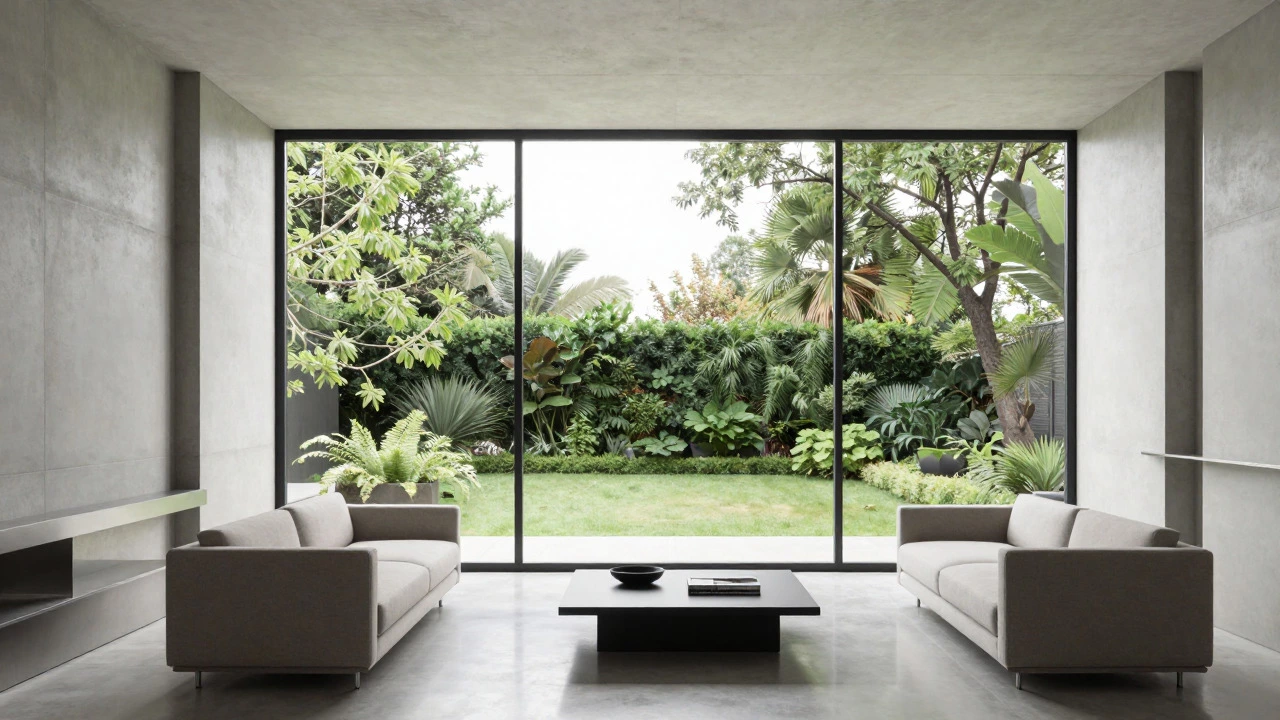
6. When Privacy Isn't a Concern
The primary functional reason for curtains is privacy. But not every window needs it. Upper-floor bedrooms in multi-story buildings, backyard-facing patios, or windows looking out onto private gardens often have zero line-of-sight issues.
If no one can see in, why cover the view? We often install curtains out of habit rather than necessity. Assess each window individually. Does the street crowd gather there? Is there a neighbor's gazebo staring directly at your living room? If the answer is no, save your money. Enjoy the connection to the outdoors. Uncovered windows blur the boundary between inside and outside, making nature part of your daily environment.
7. Alternatives to Traditional Curtains
Just because you shouldn't have curtains doesn't mean you're stuck with naked glass if you need some function. There are better alternatives depending on your specific need.
| Alternative | Best For | Pros | Cons |
|---|---|---|---|
| Frosted Film is adhesive vinyl applied to glass to obscure visibility while letting light in | Bathrooms, ground-floor privacy | Cheap, permanent, no hardware needed | Hard to remove, limited styles |
| Blinds are window coverings made of horizontal or vertical slats | Light control, precise privacy | Durable, easy to clean, adjustable | Can look dated, collects dust on slats |
| Planters are containers for growing plants placed near windows | Aesthetic appeal, air quality | Living decor, improves mood | Requires watering, may block view |
| Smart Glass is glass that changes opacity with electricity | High-tech homes, offices | Instant privacy, sleek look | Very expensive, requires installation |
Conclusion: Trust Your Space
Design rules are meant to be broken when they don't serve the function of the room. Before you measure for rods and buy fabric, ask yourself: What does this window do for me? If it provides light, view, or architectural beauty, protect that value. Don't let tradition dictate your comfort. Sometimes, the boldest statement you can make is leaving the window exactly as it is.
Do bare windows lower home value?
Not necessarily. In modern and minimalist designs, bare windows are seen as stylish and intentional. However, in traditional family homes, buyers might expect privacy solutions. It depends on the target market and the overall style of the house.
How do I keep privacy without curtains?
You can use frosted window film, which is inexpensive and easy to apply. Alternatively, strategic placement of tall indoor plants can block views from the street while adding greenery. Blinds or shutters also offer adjustable privacy without the bulk of fabric.
Are bare windows safe from security risks?
Bare windows don't inherently reduce security. Security comes from locks and alarms, not fabric. In fact, visible interiors can sometimes deter burglars who prefer hidden targets. Ensure your window locks are sturdy regardless of whether you have curtains.
Do bare windows affect energy efficiency?
Heavy curtains provide insulation by trapping air. Bare windows lose more heat in winter and gain more heat in summer. If energy efficiency is a concern, consider thermal window films or double-glazing instead of relying on fabric for temperature control.
What is the best way to clean bare windows?
Use a squeegee and a vinegar-water solution for a streak-free shine. Microfiber cloths work well for drying. Without curtains, you can clean the entire pane easily, including the tracks and screens, which often get neglected when covered by drapes.