Kitchenware Essentials Calculator
Build your perfect kitchen kit based on your cooking frequency and space constraints. This tool helps you avoid clutter by focusing on versatile, high-quality essentials.
You walk into a store labeled "kitchen supplies" and feel overwhelmed. There are pots, pans, spatulas, whisks, measuring cups, and gadgets you didn’t know existed. You might wonder: what is called kitchenware? Is that spoon a kitchen tool? Is that oven tray part of the same group? The term is broad, often used loosely, but it actually covers specific categories of items that serve distinct purposes in food preparation.
Understanding what falls under the umbrella of kitchenware helps you organize your space, shop smarter, and avoid buying duplicates or useless gadgets. It’s not just about having things; it’s about knowing how they fit together to make cooking efficient and enjoyable.
Key Takeaways
- Kitchenware is the collective term for all tools, equipment, and accessories used in food preparation, cooking, serving, and storage.
- It is divided into three main groups: Cookware (for heat), Bakeware (for ovens), and Kitchen Utensils/Tools (for handling).
- Not everything in the kitchen is kitchenware. Appliances like blenders or microwaves are separate from manual tools.
- Choosing the right materials-such as stainless steel, cast iron, or silicone-affects durability, health, and performance.
- A well-stocked kitchen needs only a few high-quality essentials rather than dozens of single-use gadgets.
The Definition: What Exactly Is Kitchenware?
At its core, kitchenware is any handheld or stationary item used to prepare, cook, serve, or store food. Unlike large appliances (which plug into outlets) or flatware (forks and knives used at the table), kitchenware focuses on the active process of making meals.
Think of it this way: if you use it directly while cooking or prepping ingredients, it’s likely kitchenware. If it sits on the counter powered by electricity, it’s an appliance. If it stays in the drawer until dinner time, it’s flatware or serveware.
This distinction matters because mixing these categories leads to confusion when organizing or shopping. For example, a chef’s knife is kitchenware (used for prep). A dinner fork is flatware (used for eating). A toaster is an appliance (powered device). Keeping these lines clear helps you build a functional kitchen without clutter.
The Three Pillars of Kitchenware
To understand what is called kitchenware, we need to break it down into its primary components. Most experts and retailers categorize kitchenware into three distinct groups based on function: Cookware, Bakeware, and Utensils/Tools.
1. Cookware: Items That Handle Heat
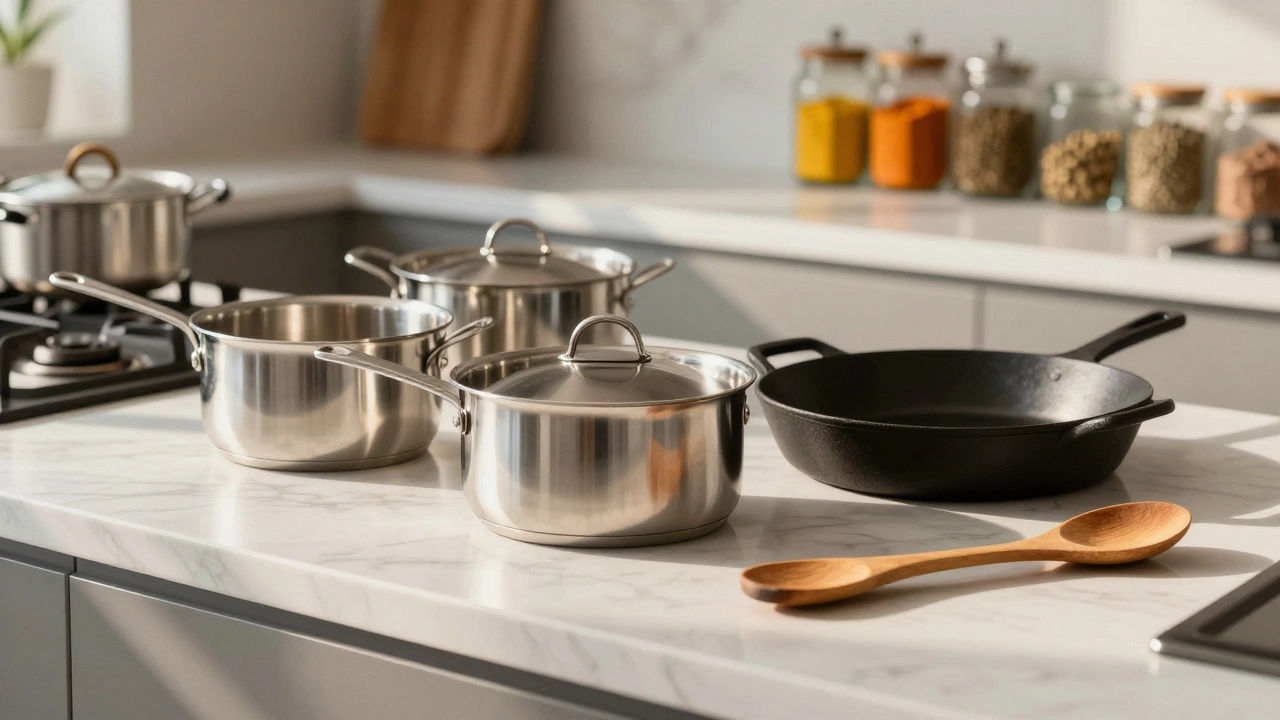
Cookware refers to vessels used to cook food on a stovetop or range. These items must withstand direct heat transfer.
- Saucepans: Deep pots with one handle, ideal for boiling water or simmering sauces.
- Sauté Pans: Wide, shallow pans with straight sides, perfect for browning meat or sautéing vegetables.
- Frying Pans/Skillets: Shallow pans with sloped sides, used for frying eggs or searing steaks.
- Dutch Ovens: Heavy, thick-walled pots with tight lids, excellent for slow-cooking stews and braising.
- Woks: Round-bottomed or flat-bottomed pans designed for high-heat stir-frying.
The key attribute here is material. Stainless steel retains heat evenly, cast iron holds heat longer, and non-stick coatings prevent food from adhering. Choosing the wrong type can ruin a dish-for instance, using a thin aluminum pan for searing will result in uneven cooking.
2. Bakeware: Items Designed for the Oven
Bakeware consists of containers and trays used inside an oven. Unlike cookware, bakeware is generally not used on direct flame or electric coils unless specified (like some roasting pans).
- Baking Sheets: Flat metal sheets for cookies, roasted vegetables, or sheet-pan dinners.
- Cake Pans: Round or square molds for cakes and quiches.
- Muffin/Tin Trays: Divided pans for cupcakes, muffins, or mini-quiches.
- Roasting Pans: Large, deep pans for whole chickens, turkeys, or roasts.
- Pie Plates: Shallow dishes with fluted edges for pies and tarts.
Bakeware materials matter too. Glass allows you to see the food cooking, while dark metal pans absorb more heat and brown food faster. Aluminum is lightweight and conducts heat well, making it popular for mass baking.
3. Kitchen Utensils and Tools: The Handheld Helpers
This category includes everything you hold in your hand while preparing food. These items don’t go in the oven or on the stove (usually) but are essential for manipulation and measurement.
- Whisks: For beating eggs, whipping cream, or emulsifying dressings.
- Spatulas: Rubber or silicone for scraping bowls; metal or plastic for flipping food.
- Ladles: For serving soups and stews.
- Tongs: For gripping hot food or tossing salads.
- Measuring Cups and Spoons: Critical for baking accuracy.
- Knives: Chef’s knives, paring knives, and serrated bread knives fall under prep tools.
Utensils bridge the gap between raw ingredients and finished dishes. A dull knife isn’t just inconvenient-it’s dangerous. Similarly, a warped spatula won’t scrape a bowl clean, wasting food and time.
| Category | Primary Use | Common Materials | Heat Resistance |
|---|---|---|---|
| Cookware | Stovetop cooking | Stainless Steel, Cast Iron, Non-stick | High (Direct Heat) |
| Bakeware | Oven baking/roasting | Aluminum, Glass, Silicone | High (Indirect Heat) |
| Utensils | Prep, stirring, serving | Wood, Silicone, Plastic, Metal | Varies (Silicone is high) |
Materials Matter: Choosing the Right Stuff
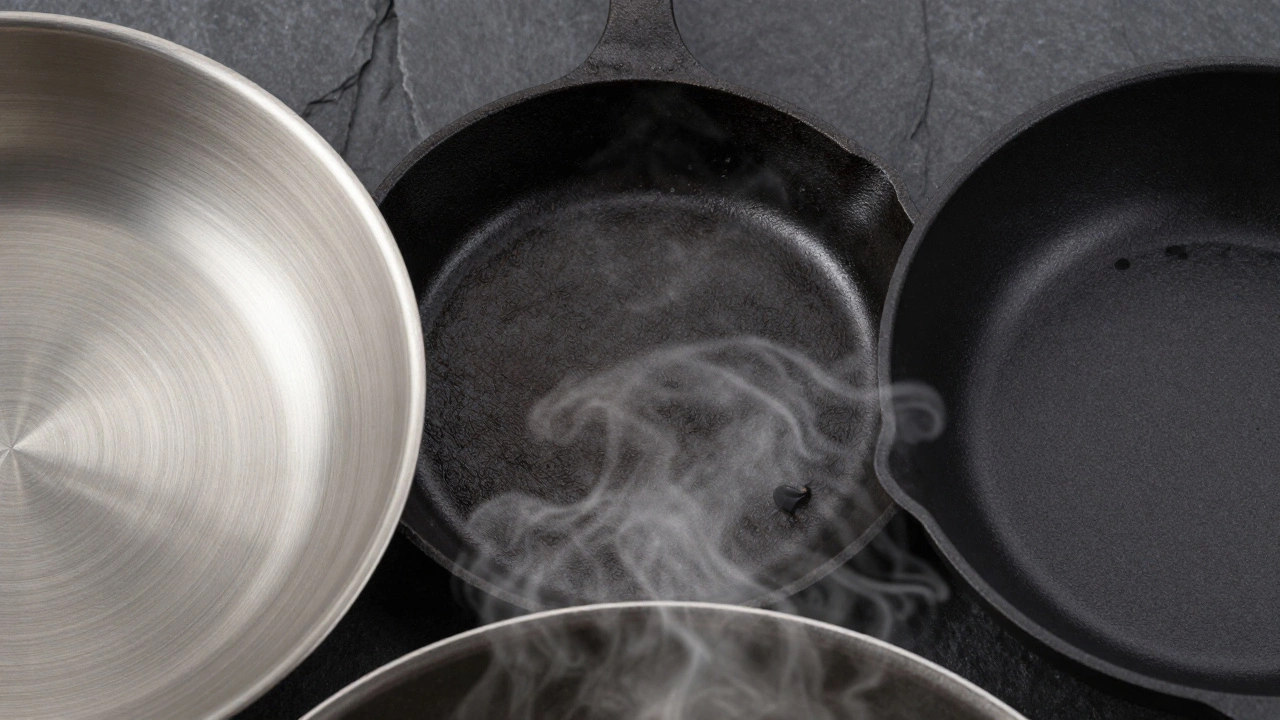
Knowing what is called kitchenware is step one. Step two is understanding what those items are made of. Material choice impacts safety, longevity, and cooking results.
Stainless Steel
Durable, rust-resistant, and dishwasher-safe. It doesn’t react with acidic foods like tomatoes. However, it can stick if not preheated properly. Ideal for saucepans and stockpots.
Cast Iron
Heavy, retains heat incredibly well, and adds iron to food. Requires seasoning to maintain non-stick properties. Great for skillets and Dutch ovens. Not suitable for acidic dishes over long periods.
Non-Stick (Teflon/Ceramic)
Easy cleanup and low-fat cooking. Avoid high heat, which can degrade the coating and release fumes. Best for eggs, pancakes, and delicate fish.
Silicone
Flexible, heat-resistant up to 450°F (230°C), and safe for utensils and baking mats. Doesn’t scratch surfaces. Perfect for spatulas and collapsible bowls.
Wood and Bamboo
Gentle on non-stick surfaces, natural antibacterial properties. Requires hand washing and occasional oiling to prevent cracking. Ideal for spoons and cutting boards.
Essential vs. Optional: Building Your Kit
Do you need every gadget on the shelf? No. Many items marketed as "must-haves" end up gathering dust. Focus on versatility.
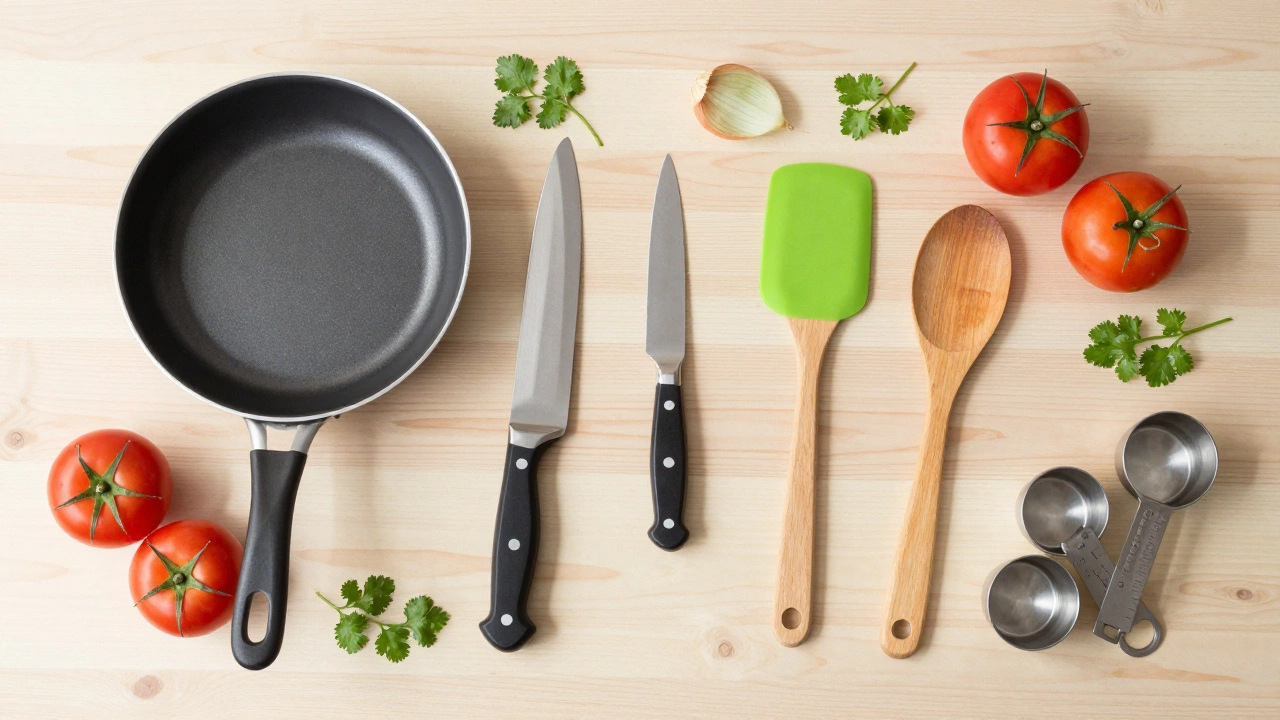
An essential kit includes:
- One 8-inch skillet (non-stick or carbon steel)
- One 10-12 inch sauté pan or larger skillet
- One 3-quart saucepan with lid
- One large chef’s knife (8-inch)
- One paring knife
- One wooden spoon and one silicone spatula
- One baking sheet
- Measuring cups and spoons
Optional items like garlic presses, avocado slicers, or egg separators save seconds but take up drawer space. Ask yourself: Will I use this weekly? If not, skip it.
Maintenance and Longevity Tips
Kitchenware lasts longer when cared for properly. Here’s how:
- Hand wash cast iron: Soap strips seasoning. Use hot water and a brush, then dry immediately and oil lightly.
- Avoid thermal shock: Don’t put hot glass bakeware in cold water. It can shatter.
- Store knives safely: Use a block or magnetic strip. Loose drawers dull blades and risk injury.
- Replace worn non-stick: Scratches expose underlying metal, which can leach into food.
- Season wood regularly: Food-grade mineral oil prevents drying and cracking.
Common Misconceptions About Kitchenware
Some beliefs about kitchen tools are simply wrong. Let’s clear them up.
"All kitchenware goes in the dishwasher." False. Wood, cast iron, and delicate non-stick should be hand-washed. Dishwashers warp handles and degrade coatings.
"Expensive means better." Not always. A $200 chef’s knife may perform similarly to a $50 one if both are high-carbon steel. Pay for quality materials, not brand names.
"More gadgets equal easier cooking." Often the opposite. Too many specialized tools create clutter and decision fatigue. Master a few basics first.
Is cutlery considered kitchenware?
Technically, no. Cutlery (knives, forks, spoons used for eating) is classified as flatware or silverware. Kitchenware refers to tools used during food preparation and cooking. However, kitchen knives (chef’s knives, paring knives) are considered kitchenware because they are used for prep, not dining.
What is the difference between cookware and bakeware?
Cookware is used on the stovetop for direct heat (pots, pans). Bakeware is used in the oven for indirect heat (baking sheets, cake pans). Some items, like roasting pans, can be both, but most have distinct designs optimized for their primary heat source.
Are kitchen appliances part of kitchenware?
No. Appliances are electric devices like blenders, microwaves, or toasters. Kitchenware typically refers to manual tools and vessels. While both are found in the kitchen, they belong to different categories in retail and organization contexts.
What is the best material for everyday kitchenware?
Stainless steel is the most versatile for cookware due to its durability and reactivity resistance. For utensils, silicone is ideal for heat resistance and ease of cleaning. Wood is great for gentle stirring. Choose based on the task: heavy-duty cooking vs. delicate prep.
How do I know if my non-stick pan needs replacing?
Replace it if the surface is scratched, peeling, or warping. Scratches compromise the non-stick layer and may expose toxic metals. Warping causes uneven heating. Typically, non-stick pans last 2-5 years with regular use.