Street Slang Translator & Quiz
Slang Translation:
Common Terms Guide
Select a term from the left to see details.
Quick Quiz
Loading question...
You hear it in rap lyrics, you see it in movies, and if you hang around anyone who deals with cash regularly, you've probably heard it too. Someone says they need a "grand" or mentions dropping a "band." If you're new to this lingo, it can feel like a secret code. But here is the simple truth: street slang for $1000 usually boils down to two main words-grand and band. These aren't just random nicknames; they are shorthand that has evolved over decades of American culture, hip-hop history, and everyday financial transactions.
Why do we even have these terms? It comes down to speed and clarity. Saying "one thousand dollars" takes time. Saying "a grand" or "a band" is quick. In high-pressure environments like street markets, casinos, or fast-paced business deals, brevity matters. Plus, there is a certain cool factor attached to using insider language. Knowing these terms helps you understand conversations without feeling left out, whether you are watching a heist movie or negotiating a used car price.
The Most Common Term: The Grand
Let's start with the most universally understood term: Grand is a colloquial term for one thousand units of currency, most commonly US dollars. You will hear people say things like, "I spent five grands on this laptop," meaning they spent $5,000. This term has been around since at least the early 20th century. It likely originated from the word "grand" itself, which means magnificent, large, or imposing. When something costs a lot, calling it "grand" emphasizes its size and significance.
In many contexts, especially among older generations or in more formal but still casual settings, "grand" remains the go-to. It is clear, it is widely recognized across different regions of the United States, and it doesn't carry any specific criminal connotation. If you tell your aunt you owe her three grands, she will know exactly what you mean. There is no ambiguity. The number 1,000 is represented by the letter K in some digital contexts (like gaming), but when speaking aloud, "grand" is king.
The Hip-Hop Favorite: The Band
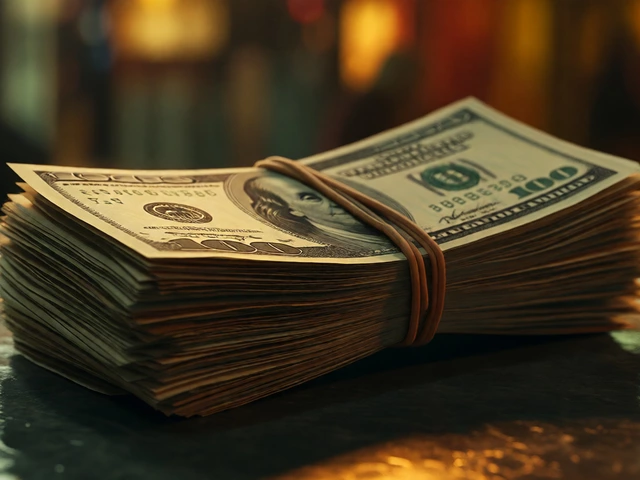
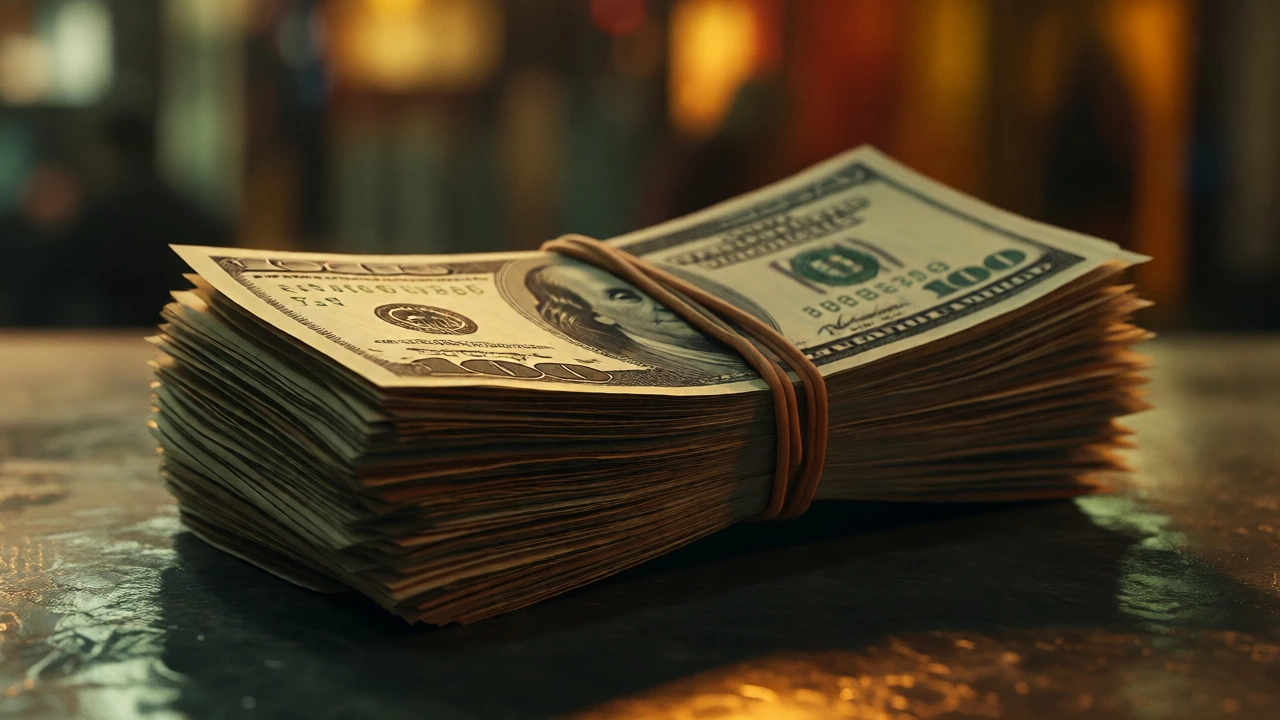
If you listen to modern hip-hop, R&B, or pop music, you are going to hear the word Band is a slang term for $1,000, derived from the rubber bands used to bundle stacks of bills. Why a band? Historically, banks and businesses would bundle $1,000 worth of bills together using a paper or rubber band. So, one "band" equals one stack of $1,000. Over time, this practical description turned into slang.
Artists like Drake, Future, and Lil Wayne have popularized this term globally. When a rapper says, "I made a hundred bands last year," they mean they earned $100,000. This term feels younger, edgier, and more connected to current urban culture. It’s often used in contexts involving quick money, hustling, or showing off wealth. If someone says they "dropped a band" on dinner, they spent $1,000 on a meal. It implies a certain level of extravagance or urgency.

Other Variations You Might Hear
While "grand" and "band" dominate, there are other terms floating around depending on where you are and who you are talking to. For instance, some people simply use the letter G is a shorthand abbreviation for 'grand', often used in text messages or quick verbal exchanges. You might see "$5G" written in a text message, meaning $5,000. It’s efficient and saves space. In some regions, particularly in the UK, you might hear "large" used similarly, though "grand" is also common there. In Australia, they might say "a thou" or "a ton," referring to the weight of the coins historically, but now it just means $1,000.
Another term is Millie is slang for one million, but sometimes confused with smaller amounts by those unfamiliar with the hierarchy. Wait, isn't a millie a million? Yes, usually. But be careful. Sometimes people mix up their magnitudes. A "millie" is $1,000,000. A "K" is $1,000. Confusing these can lead to expensive misunderstandings. Always double-check the context. If someone says they need a "millie" for a house deposit, they need a million, not a thousand.
Regional Differences and Context Matters
Slang is rarely universal. What works in New York might sound odd in Los Angeles. However, thanks to media globalization, terms like "grand" and "band" have crossed borders. Still, local dialects persist. In some parts of the Southern US, you might hear "a yard" used for $1,000, though this is becoming rarer. In Canada, where I live, "grand" is standard, but "band" is gaining traction due to American cultural influence.
Context changes everything. In a professional setting, saying "I billed ten bands" might raise eyebrows unless you are in a creative industry. In a bar with friends, it fits right in. Understanding the social cue is key. Using "band" in a job interview might make you seem unprofessional, while using "one thousand dollars" in a club might make you seem stiff.
| Term | Origin | Common Usage Context | Formality Level |
|---|---|---|---|
| Grand | Early 20th Century English | General conversation, older demographics, mixed company | Casual but safe |
| Band | Hip-hop culture, banking bundles | Music, youth culture, informal negotiations | Very casual/Slangy |
| K | Metric prefix (kilo) | Digital communication, gaming, tech industries | Neutral/Digital |
| G | Abbreviation for Grand | Texting, quick verbal shorthand | Very Informal |

How to Use These Terms Correctly
Don't force it. If you aren't comfortable saying "band," stick with "grand." Authenticity matters more than trying to sound cool. Here are a few tips:
- Know your audience: Talking to your boss? Use numbers. Talking to your homies? Slang is fine.
- Watch for multiples: Two grands = $2,000. Three bands = $3,000. The pluralization stays consistent.
- Avoid confusion with cents: Never use "cent" slang for thousands. A "buck" is a dollar. A "grand" is a thousand. Don't mix them up.
- Check the currency: While mostly US-centric, these terms apply to Canadian Dollars, Australian Dollars, etc., as long as the value is roughly equivalent in purchasing power or nominal value.
Why Slang Evolves So Quickly
Language is alive. Slang for money changes because how we handle money changes. We moved from gold coins to paper bills to credit cards to digital apps. Each shift brings new vocabulary. "Grand" stuck around because it describes a large amount conceptually. "Band" stuck around because it references physical cash handling, which is still relevant in many subcultures. As cash usage declines, will these terms die out? Probably not. People love colorful language. Even if you pay via Apple Pay, you might still say you "spent a grand" on groceries. The phrase survives the medium.
There is also a psychological aspect. Calling $1,000 a "grand" makes it feel bigger and more impressive than just saying "one thousand." It adds weight to the transaction. It turns a mundane payment into an event. That emotional resonance keeps slang alive long after the original reason for the term fades away.
Is "grand" only used for US dollars?
No, "grand" is used for any currency where 1,000 is a significant round number. Canadians, Australians, and Brits all use it. Just ensure everyone knows which currency you are discussing to avoid exchange rate confusion.
What does "a K" mean in money?
A "K" stands for kilo, meaning 1,000. It is widely used in online gaming, social media, and tech circles. If someone says they have "50K followers," they mean 50,000. If they say they earn "60K," they mean $60,000 per year.
Is "band" rude to use?
Not necessarily rude, but it is very informal. In professional or academic settings, it might seem unpolished. Among friends or in creative industries, it is perfectly acceptable and often preferred for its casual vibe.
Where did the term "grand" come from?
It dates back to the late 1800s or early 1900s in the US. The word "grand" already meant large or impressive. Applying it to money was a natural linguistic step to emphasize the magnitude of the sum.
Can I use "grand" for euros or pounds?
Yes, native speakers in Europe often adopt American slang. However, traditional British slang might use "ton" or "yard" occasionally, though "grand" is now dominant in London and major cities due to global media exposure.