Plastic Accountability Calculator
This tool estimates your annual plastic footprint based on common product types and reveals the "True Cost" distribution between consumers, taxpayers, and corporations.
Your Weekly Consumption
EPR = Extended Producer Responsibility. Manufacturers pay for end-of-life.
Material Stream Visualization
Who Pays the True Cost?
Note: In the Current model, complex waste (like chip bags) results in 100% taxpayer/public subsidy cost for removal and cleanup. Under EPR, design changes usually reduce total volume.
The Global Tug-of-War Over Responsibility
Walk into any grocery store today, and you see rows of products wrapped in bright plastic. You grab what you need, throw away the packaging, and head out. By the time that package hits a landfill or ends up in the ocean, a million people will point fingers. Manufacturers say consumers don't recycle. Consumers say brands hide behind greenwashing. Governments say everyone needs to step up.
In reality, plastic pollution is the widespread accumulation of synthetic plastic materials in the environment, causing severe harm to ecosystems and wildlife. It is not just litter; it is a systemic failure of how we produce, use, and discard materials. As we move through 2026, the conversation has shifted from "oops" to accountability. We know exactly who makes the mess and who profits from it.
This isn't about finding a villain. It is about identifying the leverage points where change actually happens. If we want a cleaner world, we have to stop shouting at each other and look at the numbers.
The Production Pipeline: Where the Plastic Starts
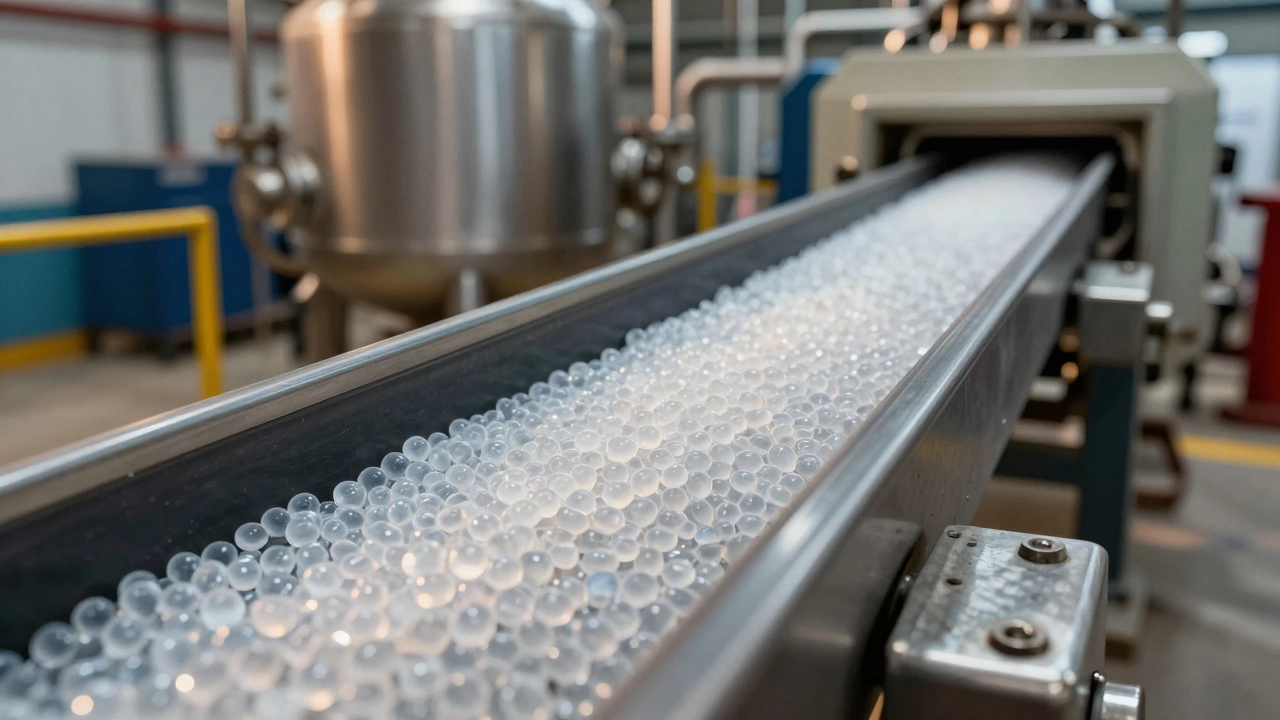
Most arguments about who owns plastic pollution ignore the starting line. Before a water bottle reaches your hand, it starts as petroleum extracted from the ground. Petrochemical companies industrial facilities that process crude oil and natural gas into chemical building blocks are the first link in this chain. They extract fossil fuels specifically to turn them into resin pellets, known in the industry as "nurdles."
A significant portion of these nurdles is destined to become single-use items. A study published recently estimated that major producers planned to increase plastic production capacity by nearly 50% by 2030 unless stopped by binding regulations. These companies often argue they are merely meeting consumer demand for affordable packaging. However, their lobbying efforts frequently block legislation that would reduce packaging volume. When companies invest billions in expanding production lines while claiming sustainability goals, the imbalance becomes clear.
The cost of producing virgin plastic is subsidized by public funds in many regions. Taxpayers pay for the infrastructure that supports extraction, refining, and transport. So, when asking who pays the price, the answer extends beyond the corporation to the public purse.
Packaging Design: The Trap of Convenience
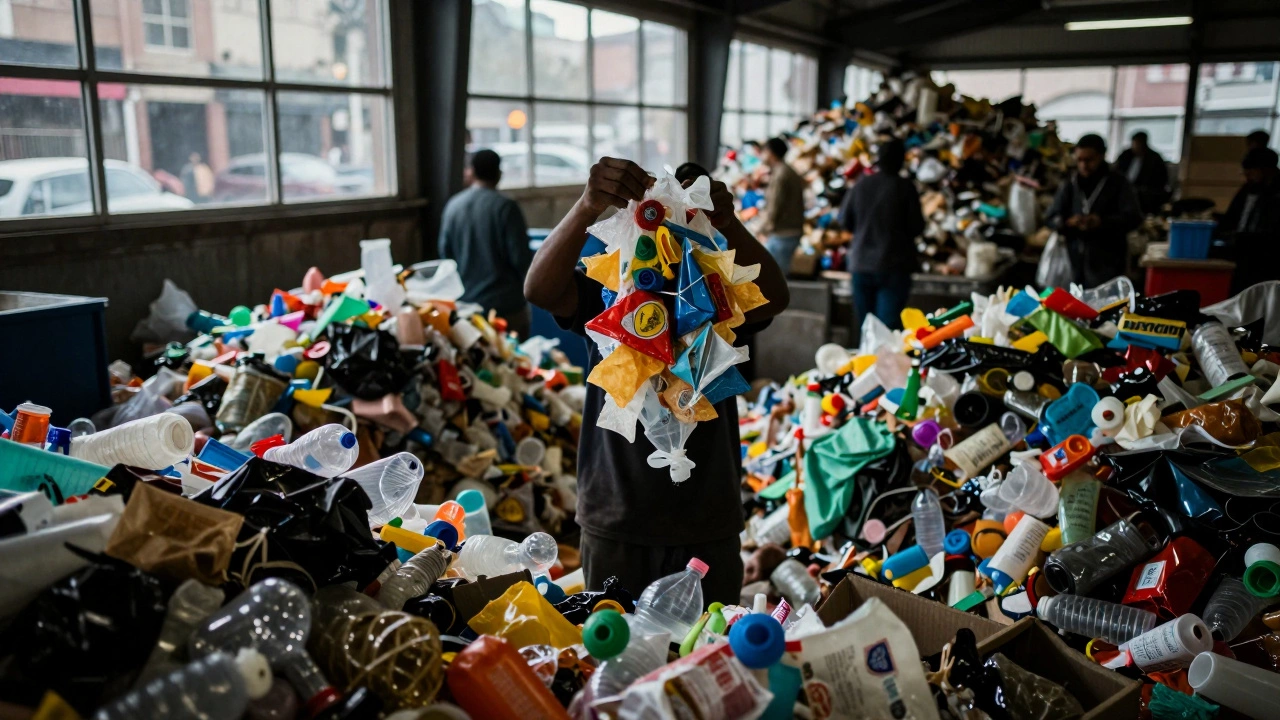
Why does so much plastic end up in the trash? It is often by design. Many food and beverage packages utilize multi-layered films. These combine different types of plastic with metal or paper to keep products fresh or safe. While effective for shelf life, these composite materials are impossible to recycle with standard machinery.
Single-use plastics disposable items designed for one-time use before being discarded dominate this space. Think of chip bags, yogurt cups, or cosmetic tubes. Even if you have perfect intentions to recycle them, local facilities simply cannot separate the layers. The manufacturer decides this design during the development phase. They prioritize convenience and durability over recyclability.
Data suggests that roughly 90% of plastic produced has never been effectively recycled. Instead, it sits in landfills or leaks into nature. When companies release packaging that cannot be processed, they effectively guarantee it becomes waste. This creates a scenario where consumers follow instructions to sort bins correctly, yet the system still fails.
The Recycling Infrastructure Gap
We have heard for decades that recycling saves the planet. In many cases, that narrative was oversold. While recycling is a good practice, it is a bandage, not a cure. Waste management systems the networks of collection, processing, and disposal of solid waste vary wildly in efficiency depending on location. Some cities have modern sorting plants that recover high-value polymers. Others send mixed loads to incinerators or dumps because they lack funding.
In 2026, the situation remains fragmented. Many municipalities face budget shortfalls after the pandemic era spending boom. They struggle to maintain curb-side pickup services. Furthermore, export policies have tightened. Countries that used to accept Western plastic scrap have closed their borders. This means tons of material that was "sent for recycling" now sit in local piles waiting for solutions that do not exist yet.
| Plastic Type | Common Uses | Recyclability Status | Market Value |
|---|---|---|---|
| Clear PET Bottles | Beverages, Water | Highly Recyclable | $ High Demand |
| HDL Containers | Milk Jugs, Detergent | Well Established Systems | $ Moderate |
| Flexible Films | Wrappers, Pouches | Poor / Difficult | $ Low to Negative |
| Multilayer Laminates | Chip Bags, Snacks | Not Currently Recyclable | $ N/A |
The chart highlights a harsh truth: valuable plastics get recyled, but cheap, complex waste gets thrown away. Brands continue to rely on complex, non-recyclable materials because they are cheaper to buy than alternatives. If a company chooses a wrapper that costs five cents instead of one that costs six cents and is recyclable, the extra four billion cent difference is profit.
Consumer Behavior: Are We Just Accessories?
Critics often point to consumers as the root cause. You drive the market by buying products in convenient packaging. You toss wrappers in the street. While individual actions matter, the aggregate impact is dwarfed by corporate strategy. An individual cannot easily switch to bulk goods if the nearest store sells only pre-wrapped vegetables.
That said, consumer pressure is the engine that forces policy changes. Boycotts and social media campaigns have forced large fast-food chains to remove straws and cutlery. People demanding reusable options signal that the market is shifting. But relying on moral suasion is slow. We need structural changes that make unsustainable choices more expensive.
The mindset shift required is moving from "consume and dispose" to "reduce and reuse." This requires education, yes, but more importantly, it requires availability. Reusable alternatives must be accessible, durable, and priced fairly compared to disposable options. Without those factors, the consumer "choice" is an illusion.

Legislation: Turning Intentions into Law
By late 2026, the global landscape is finally changing due to binding treaties. International agreements are requiring signatory nations to cap plastic production growth. More importantly, laws regarding Extended Producer Responsibility a regulatory approach where manufacturers are financially accountable for the entire lifecycle of their products are gaining traction.
Under EPR, a company making plastic bottles must fund their own recycling or face heavy penalties. This flips the cost model. Instead of taxpayers footing the bill for waste removal, the polluter pays. Early trials in Canada and the EU show that when manufacturers face the true cleanup costs, they redesign their packaging immediately. They switch to mono-materials or refillable formats.
However, enforcement remains uneven. Developing nations often bear the brunt of illegal dumping and cross-border waste trafficking. Regulations must apply globally to prevent "pollution havens" where companies ship waste to places with weaker laws.
Sharing the Burden: A New Roadmap
Assigning total blame helps nothing, but assigning financial liability drives innovation. It takes a triad of actors to solve this crisis:
- Producers: Must redesign products for circularity and accept recycling fees.
- Governments: Must enforce caps on virgin plastic and invest in infrastructure.
- Consumers: Must support sustainable brands and participate in proper sorting.
If one party steps back, the whole chain fails. For instance, if consumers refuse to sort waste properly, even a producer who designs recyclable packages cannot recover the material. Conversely, if producers design toxic composites, sorting does not help. We need all three to align their incentives toward reduction rather than volume.
Frequently Asked Questions
Is recycling enough to solve plastic pollution?
No. Recycling handles a small fraction of the total waste generated. Reducing production volume and eliminating single-use items is far more effective than trying to clean up after consumption.
Who benefits from keeping plastic production high?
Fossil fuel industries and packaging manufacturers benefit from high volume sales of virgin plastic. The profit margins on new resin often outweigh the potential savings from switching to recycled content.
What is Extended Producer Responsibility (EPR)?
EPR is a policy framework where producers pay for the management and disposal of their products at the end of their useful life. It incentivizes manufacturers to build easier-to-recycle products.
Can I avoid plastic entirely in my daily life?
While difficult, significantly reducing plastic intake is possible. Focus on refusing unnecessary packaging, carrying reusables, and choosing glass or metal containers over plastic ones.
How does government policy affect waste levels?
Stronger regulations like taxes on virgin plastic or bans on specific items (like thin bags or straws) drastically lower consumption. Policy dictates what is commercially viable for manufacturers.


Dec 9 2025