Bulk Chemicals: What They Are, Where They Come From, and How They Power Indian Manufacturing
When you hear bulk chemicals, large-volume industrial substances used as raw materials in manufacturing. Also known as commodity chemicals, they’re the hidden ingredients behind everything from soap and paper to medicines and plastic packaging. These aren’t fancy lab compounds—they’re the workhorses of industry, made in massive quantities and shipped in tanks, drums, or railcars. In India, Gujarat, the country’s top chemical manufacturing region. Also known as India’s chemical heartland, it produces over 60% of the nation’s bulk chemicals, including petrochemicals, fertilizers, and intermediates for pharma. Cities like Vadodara, Jamnagar, and Hazira aren’t just industrial zones—they’re global supply chain nodes.
Why does this matter to you? Because every tissue box, towel, or home product you use likely passed through a chemical process. The bleaching agents in your toilet paper? Bulk chemicals. The adhesives holding your cardboard packaging together? Bulk chemicals. Even the dyes in your favorite cotton fabric? Made from chemical precursors shipped from Gujarat. The textile industry, a $150 billion sector employing 45 million people in India. Also known as Indian textile sector, relies heavily on these inputs to produce everything from Bandhani silk to everyday cotton yarn. And it’s not just textiles. India’s rise as the world’s top generic drug producer? That’s built on bulk chemical synthesis. Without these materials, the entire chain—from raw material to finished good—collapses.
You won’t find bulk chemicals on store shelves, but you’ll feel their impact every day. They’re what let a small manufacturer in Ludhiana turn cotton into soft tissue, or a startup in Coimbatore make biodegradable packaging. The same chemical processes that power big factories also enable home-based businesses to scale. If you’ve ever wondered how a $1,000 investment can lead to a real manufacturing business, the answer often starts with sourcing the right bulk chemicals. They’re the silent foundation—unseen, but essential. Below, you’ll find real examples of how these materials connect to food safety, industrial tools, textile production, and even home goods. No theory. Just facts from the ground.
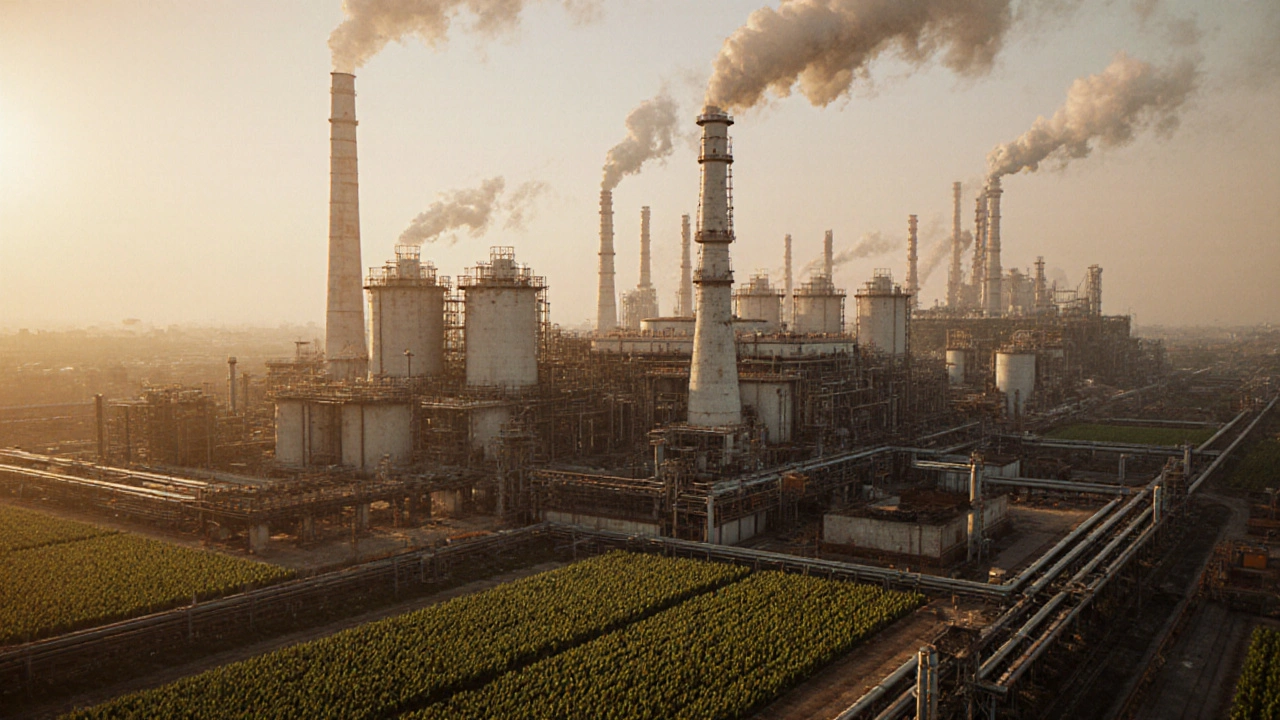
What Are the King of Chemicals? Top Industrial Chemicals Dominating India’s Manufacturing Sector
Sulfuric acid, ammonia, and chlorine are the king of chemicals in India, powering fertilizers, construction, water treatment, and food production. Learn how these bulk chemicals drive the nation’s industrial growth.
View More


Dec 26 2025