Curtain Installation: How to Get It Right Every Time
When you think about curtain installation, the process of mounting window coverings to control light, privacy, and room aesthetics. Also known as window treatment installation, it's one of those home tasks that seems simple but can go wrong in ways you didn't expect. Most people buy curtains, hang them at eye level, and call it done. But that’s like putting tires on a car without aligning them—sure, it rolls, but it won’t perform well.
Curtain rods, the hardware that supports and holds curtains in place are the real backbone of this job. Where you place them makes all the difference. Mounting rods too low makes ceilings look lower. Mounting them too close to the window makes the curtains look like an afterthought. The smart move? Install rods 4 to 6 inches above the window frame and extend them 6 to 12 inches beyond each side. This trick makes windows look bigger and lets light flow in without obstruction. And don’t forget curtain hardware, the brackets, finials, and rings that hold everything together. Cheap brackets bend. Flimsy rings snag. You don’t need designer labels, but you do need hardware that can handle the weight of your fabric—especially if you’re using blackout or thermal-lined curtains.
Window treatments, a broad category that includes curtains, drapes, blinds, and shades aren’t just decorative. They affect how warm your room feels in winter, how much glare you get on your TV, and even how quiet your space stays. A well-installed curtain can cut outside noise by up to 30%. That’s not magic—it’s physics. The key is ensuring the fabric touches the floor or pools slightly, which helps block drafts and sound. If your curtains stop above the floor, they look unfinished. If they’re too long and drag, they collect dust and wear out faster.
People often skip measuring the drop—the distance from the rod to the floor—because they assume all curtains are made the same. They’re not. Standard drop lengths vary. If your window is 8 feet tall and your rod is mounted high, you might need 96-inch curtains, not 84. A mismatched drop makes the whole room feel off. And if you’re using tiebacks or holdbacks, make sure they’re placed where the curtain naturally falls when open. No one wants a curtain that flops awkwardly halfway up the window.
You’ll find posts here that tackle related topics like mirror placement, bathroom accessory colors, and rug layering—all of which tie into the same idea: small details shape big impressions. Curtain installation is no different. It’s not about buying the most expensive fabric. It’s about getting the basics right so your space feels intentional, balanced, and lived-in. Below, you’ll see real examples of what works, what doesn’t, and how to fix common mistakes without calling in a pro.
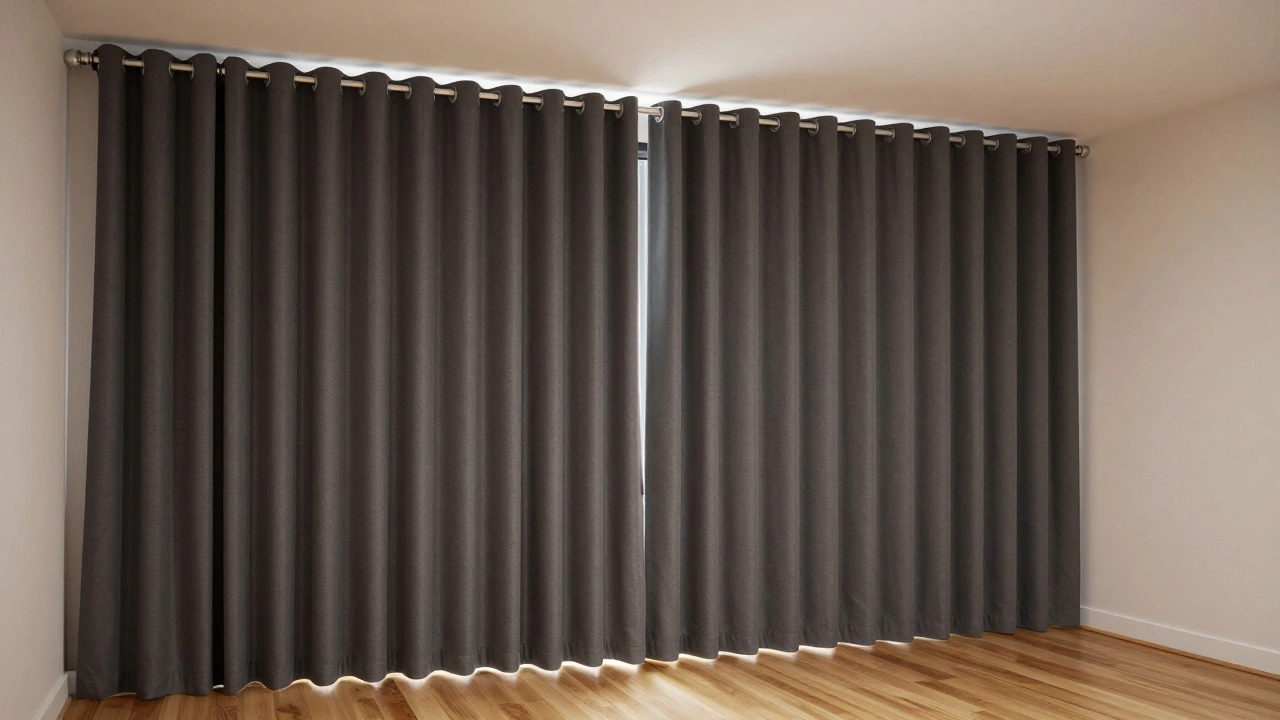
Should Curtains Go to Ceiling or Window? The Real Impact on Room Size and Style
Curtains hung from ceiling to floor make rooms look taller and more spacious. Learn why this simple change beats traditional window-level installation and how to do it right for any room.
View More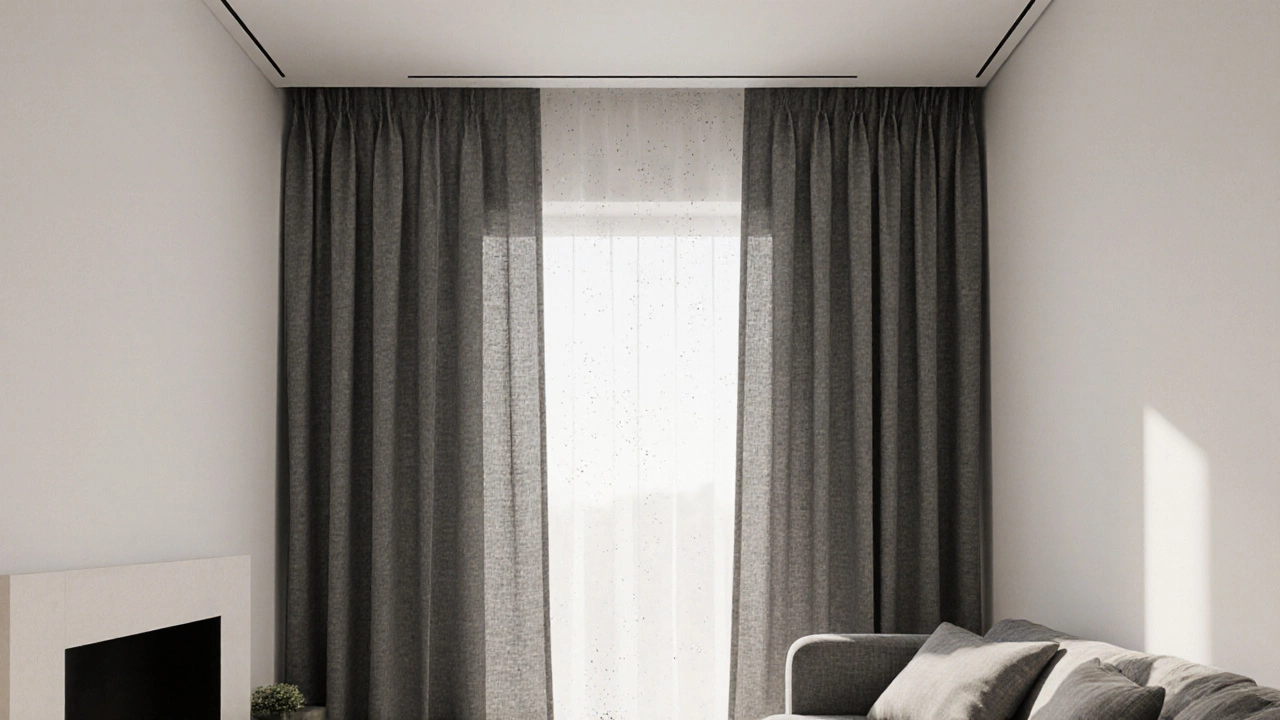
Should Curtains Go to Ceiling or Window? The Simple Rule That Changes Everything
Hanging curtains from the ceiling instead of above the window makes rooms look taller and windows bigger. Learn the simple rule that transforms any space with just a rod and longer curtains.
View More

Dec 9 2025

Mar 29 2025