Shelf Liner Alternatives: Smart, Eco-Friendly Options for Your Home
When you think of shelf liner, a thin, often plastic sheet used to protect shelves from spills and scratches. Also known as cabinet liner, it’s a common fix in kitchens, bathrooms, and pantries. But most commercial shelf liners are made from virgin plastic, stick to surfaces with sticky adhesives, and end up in landfills after a few months. There are better, simpler ways to protect your shelves without the waste.
Many people don’t realize that reusable cloth liners, woven cotton or linen fabrics designed to sit flat on shelves. Also known as fabric shelf pads, they’re washable, non-slip, and last for years work just as well—or better—than plastic. You can buy them pre-cut or cut your own from old quilts, tea towels, or even thrifted tablecloths. They don’t peel, they don’t leave residue, and they absorb minor spills instead of letting them pool underneath. For drawers and shelves that see heavy use, like in a spice cabinet or tool shed, natural cork sheets, thin, rigid material made from tree bark, used for cushioning and grip. Also known as cork lining, they’re durable, antimicrobial, and biodegradable are a great choice. They’re quiet when you slide jars or cans across them, and they don’t trap moisture like plastic does.
Some homeowners skip liners entirely and just use silicone mats, flexible, heat-resistant pads often used in baking but repurposed for storage. Also known as non-slip baking mats, they’re easy to wipe clean and won’t degrade over time—the same kind you use for cookies. They’re perfect for heavy items like cans or glass jars because they grip tightly and won’t curl at the edges. If you’re in a humid area like a bathroom or laundry room, bamboo mats, thin, woven sheets made from fast-growing bamboo fibers. Also known as bamboo shelf inserts, they’re naturally resistant to mold and mildew offer a breathable, renewable option. These aren’t just alternatives—they’re upgrades. They’re quieter, safer for kids and pets, and align with the kind of sustainable home habits that Indian households have been practicing for generations, like reusing fabric scraps or choosing natural materials over synthetics.
What you’ll find below are real, tested ideas from people who’ve ditched plastic shelf liners for good. Some use recycled paper, others repurpose old rugs or even paint their shelves with wipeable sealant. You’ll see how a $5 roll of fabric or a scrap of cork can outlast a $20 plastic liner. No gimmicks. No complicated tools. Just smart, simple swaps that work in real homes—especially in places where space is tight and sustainability matters. These aren’t trends. They’re practical fixes that last.
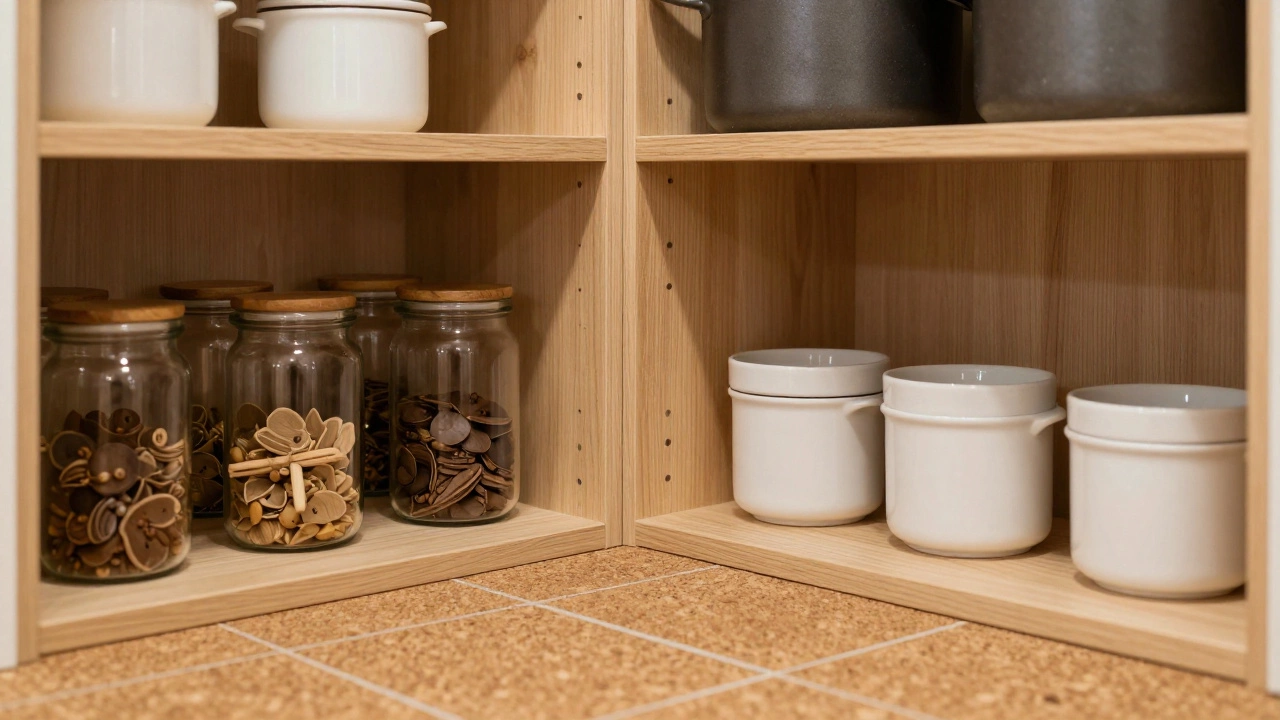
What Can I Use Instead of Shelf Liner? 10 Practical Alternatives
Discover 10 practical, affordable, and durable alternatives to shelf liner that actually work better-no sticky vinyl required. From cork to wood slats, find the right solution for your kitchen, pantry, or closet.
View More




Dec 9 2025