Toilet Paper Usage & Stockpile Calculator
Never Face an Empty Roll Again
Enter your household details below to calculate your exact needs.
Walk into any bathroom, and you’ll see a dozen things: towels, soap, toothbrushes, maybe a fancy diffuser. But if you had to pick just one item-the absolute non-negotiable-what would it be? For most people, the answer is simple. It’s toilet paper. It might not look like much sitting on that roll holder, but it is the single most critical component of modern bathroom functionality.
We often overlook how dependent we are on this humble sheet of wood pulp. Without it, the entire concept of personal hygiene in the home changes drastically. In this guide, we’re going to break down why toilet paper takes the number one spot, what makes certain types better than others, and how to manage your supply so you never face the dreaded empty roll again.
The Anatomy of the Ultimate Bathroom Staple
Toilet Paper is a soft, absorbent paper product designed for personal hygiene after using the toilet. While it seems basic, the manufacturing process is surprisingly complex. High-quality TP starts with virgin wood fibers or recycled content, which are then processed into a pulp. This pulp is formed into sheets, embossed for texture, and layered for strength.
Why does it rank above soap or towels? Think about it. Soap cleans your hands, but toilet paper handles the primary waste removal. Towels dry you off, but they aren’t used as frequently as TP. The frequency of use alone puts it at the top. You use it multiple times a day, every day. If you run out of soap, you can use water. If you run out of toilet paper, you have a significant problem.
The material itself matters too. Most standard rolls are made from two layers. Premium options go up to four or even six layers. These extra layers don’t just add thickness; they increase softness and durability. When wet, cheap toilet paper disintegrates instantly. Good quality TP holds together long enough to do its job without leaving bits behind. That distinction is huge for comfort and cleanliness.
Not All Rolls Are Created Equal: Choosing the Right One
If you’ve ever shopped for toilet paper, you know the aisle is overwhelming. There are brands claiming to be softer, stronger, more eco-friendly, or better for sensitive skin. How do you choose? Let’s look at the key attributes that separate the good from the great.
| Type | Material Source | Softness Rating | Environmental Impact | Best For |
|---|---|---|---|---|
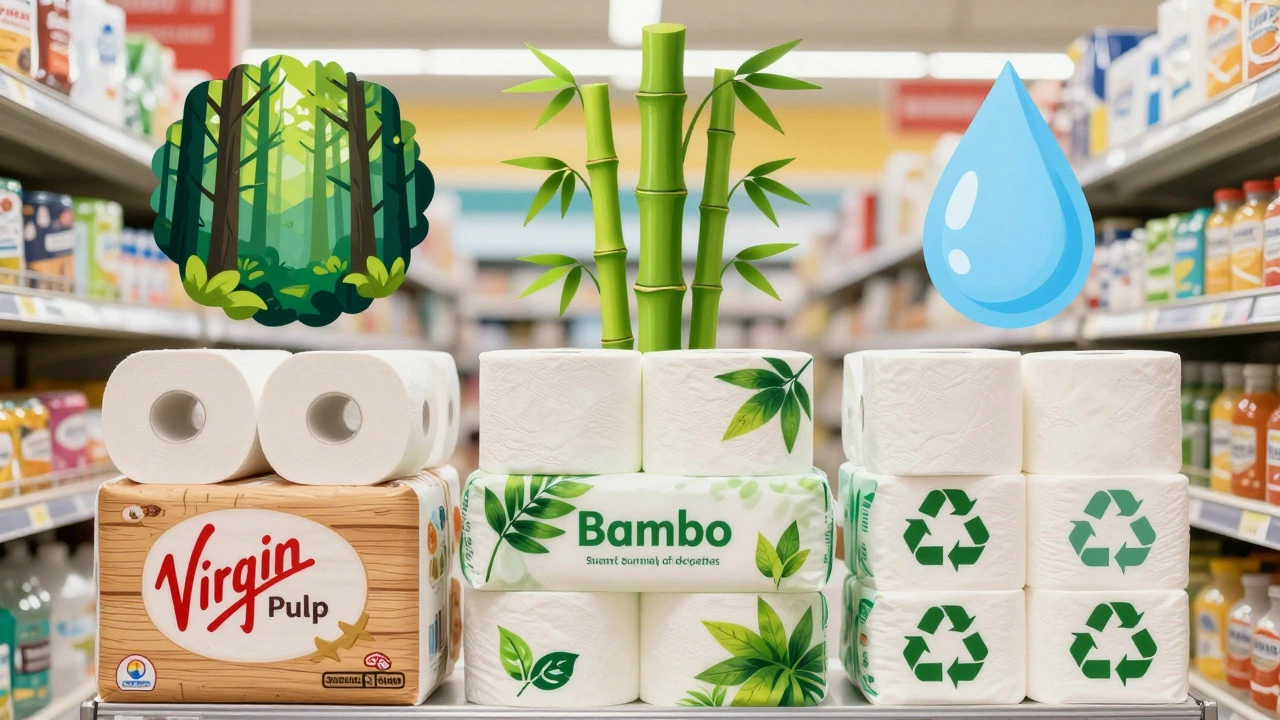
| Virgin Pulp | New wood fibers | High | Higher (deforestation risk) | Luxury feel, sensitive skin |
| Recycled | Post-consumer waste | Medium | Low (saves trees/water) | Eco-conscious households |
| Bamboo | Bamboo grass | Medium-High | Very Low (fast-growing) | Sustainable living enthusiasts |
| Septic-Safe | Dissolvable fibers | Variable | Medium | Homes with septic systems |
Virgin pulp is the gold standard for softness. Brands like Charmin or Cottonelle dominate here because they use long-fiber cotton blends that feel luxurious against the skin. However, this comes at an environmental cost. Trees take decades to grow, and the processing uses significant amounts of water and bleach.
Recycled toilet paper is gaining traction. It’s rougher than virgin pulp, but modern manufacturing has improved its texture significantly. Plus, it keeps waste out of landfills. Bamboo TP is the rising star. Bamboo grows incredibly fast-some species grow up to three feet a day. It requires no pesticides and regenerates quickly. The result is a strong, decently soft alternative that doesn’t kill forests.
If you have a septic system, you need to be careful. Some thick, multi-ply papers don’t break down easily. They can clog pipes and cause expensive backups. Look for labels that say "septic-safe" or "rapidly dissolving." These are engineered to fall apart in water within minutes, keeping your plumbing healthy.
The Great Debate: Over or Under?
You can’t talk about toilet paper without addressing the elephant in the room: how should the roll hang? Over or under? This isn’t just a quirky debate; it actually affects usability and hygiene.
Proponents of hanging it over argue that it’s easier to grab. Your fingers naturally curl around the bottom edge, allowing you to pull smoothly without snagging. It also looks neater, with the loose end hanging down gracefully. From a design perspective, most holders are built with a bar that suggests the over position.
Those who prefer under claim it protects the paper from dust and germs floating in the air. Since bathrooms can be humid and prone to splashes, having the roll tucked under might keep it cleaner longer. Also, if you have kids or pets, the under position prevents them from unrolling the whole thing while you’re away.
In my experience living in Toronto, where winters are damp and springs bring mud tracking into homes, I lean toward over. It’s just faster when you’re rushing out the door. But honestly, consistency matters more than direction. Pick one and stick with it so guests don’t have to guess.
Avoiding the Empty Roll Crisis
Running out of toilet paper is a universal nightmare. It happens to everyone at least once. Maybe you forgot to buy more, or maybe you underestimated how many rolls you go through. Here’s how to make sure it never happens to you again.
- Calculate Your Usage: Track how many rolls you use in a month. A family of four might go through 30-40 rolls. Knowing this number helps you plan purchases.
- Set Up Auto-Delivery: Services like Amazon Subscribe & Save or local grocery delivery apps let you schedule regular shipments. Set it for every 4-6 weeks based on your usage rate.
- Keep a Backup Stockpile: Store 5-10 extra rolls in a closet or basement. Just make sure the area is dry. Moisture ruins toilet paper, turning it into a soggy mess that’s unusable.
- Use a Countertop Dispenser: If space allows, keep a decorative box with spare rolls on a shelf near the toilet. It’s a visual reminder to restock before you hit zero.
Another pro tip: check expiration dates? No, toilet paper doesn’t expire. But it can degrade if stored improperly. Keep it away from heat sources and humidity. Bathrooms themselves are humid, so storing bulk packs in the bathroom isn’t ideal unless you have a vented cabinet.
Alternatives When You Run Dry
Let’s say you did everything right, but still found yourself staring at an empty cardboard tube. What now? Don’t panic. There are alternatives, though none are perfect.
- Paper Towels: In a pinch, yes, you can use them. But be warned: they don’t dissolve well. Only use a small amount and flush carefully, or better yet, throw them in the trash. Flushing large amounts can clog your toilet.
- Napkins: Similar to paper towels, but thinner. Again, not flushable. Use sparingly and dispose of properly.
- Bidet Attachment: If you live in Asia or Europe, you might already have a bidet. Water cleaning is hygienic and reduces TP usage by up to 80%. Consider installing one if you’re renovating.
- Cloths: Reusable cloth wipes exist. They’re eco-friendly and soft, but require washing. Make sure you have a designated hamper for dirty ones to avoid odors.
None of these match the convenience of toilet paper. That’s why it remains number one. It’s disposable, absorbent, and widely available. Until technology gives us something better, we’re stuck loving our rolls.
How to Maximize Value Without Sacrificing Quality
Toilet paper can get expensive, especially premium brands. Here’s how to save money without suffering through scratchy paper.
First, buy in bulk. Large cases of 72 or 144 rolls always cost less per unit than buying individual packs. Check unit prices on shelves-they’re usually printed in small text near the barcode. Compare dollars per square foot, not just price per roll. Some brands sell fewer sheets per roll but charge the same.
Second, consider store brands. Many supermarkets offer private-label TP that’s manufactured by the same companies as name brands. The quality is often identical, but the price is 20-30% lower. Try a sample pack first to see if you like the texture.
Third, switch to bamboo or recycled options during sales. These tend to be pricier upfront, but they often go on discount. Plus, you’re supporting sustainable practices. It’s a win-win for your wallet and the planet.
The Future of Bathroom Hygiene
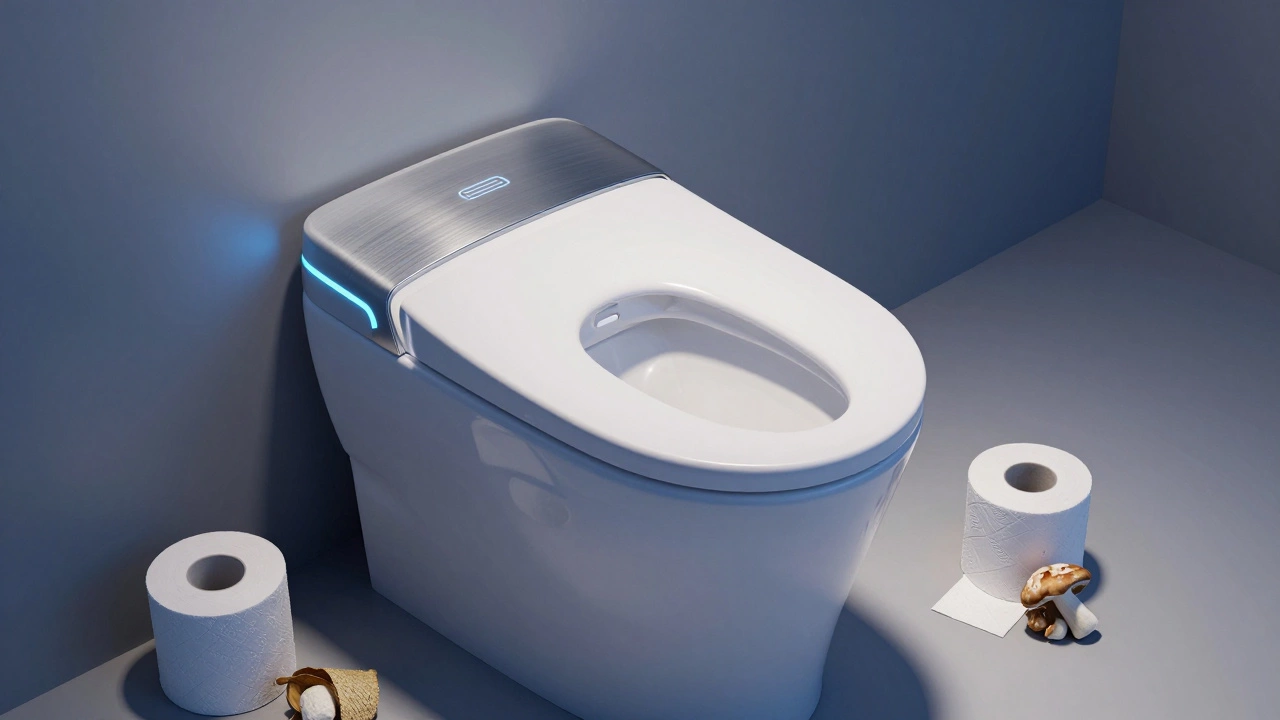
Is toilet paper here to stay? Probably, but it’s evolving. Smart toilets with integrated bidets are becoming more common in North America. These devices wash and dry you automatically, reducing TP dependency. Imagine never running out of paper because you barely use it.
Also, new materials are emerging. Hemp-based TP is stronger and requires less water to produce. Mushroom mycelium paper is being tested for biodegradability. Who knows? In ten years, "number one" might be a high-tech spray nozzle instead of a roll.
Until then, embrace the roll. Respect its simplicity. And never underestimate the power of having a full stockpile.
Why is toilet paper considered the most important bathroom item?
Toilet paper is essential because it serves the primary function of post-toilet hygiene. Unlike soap or towels, which support secondary tasks, TP is used multiple times daily for direct waste management. Its absence creates immediate discomfort and hygiene issues, making it indispensable.
Should I hang toilet paper over or under the holder?
Hanging it over is generally preferred for ease of access and aesthetic neatness. The loose end hangs down, making it easy to grab. Hanging it under may protect against dust but makes pulling harder. Choose based on personal preference and household habits.
Is bamboo toilet paper better than regular paper?
Bamboo TP is more environmentally friendly due to bamboo’s rapid growth and low resource needs. It’s slightly less soft than virgin pulp but comparable to recycled options. If sustainability is a priority, bamboo is an excellent choice.
Can I flush paper towels if I run out of toilet paper?
No, paper towels are not designed to dissolve in water. Flushing them can cause severe clogs in your toilet and sewage lines. If you must use them in an emergency, throw them in the trash instead.
How many rolls of toilet paper should I keep in stock?
Aim for at least 5-10 backup rolls stored in a dry place outside the bathroom. Calculate your monthly usage and order accordingly. Keeping a buffer ensures you never face an empty roll situation unexpectedly.