Small Scale Manufacturing Term Selector
Choose the right term for your manufacturing operation
This tool helps you determine which of the four main terms for small scale manufacturing best describes your business based on your specific circumstances.
Let's find your term
When you hear the phrase "small scale manufacturing," you might picture a lone worker soldering circuit boards in a garage or a potter shaping clay on a wheel in a backyard shed. But that’s not what it’s officially called in business, policy, or industry circles. The truth? It goes by many names - and which one you use depends on who you’re talking to, where you are, and what you’re making.
It’s Not Just One Term
Small scale manufacturing doesn’t have a single official label. Instead, it’s described using different terms depending on context. The most common names you’ll hear are cottage industry, artisanal manufacturing, micro-manufacturing, and home-based production. Each carries its own nuance, history, and legal meaning.
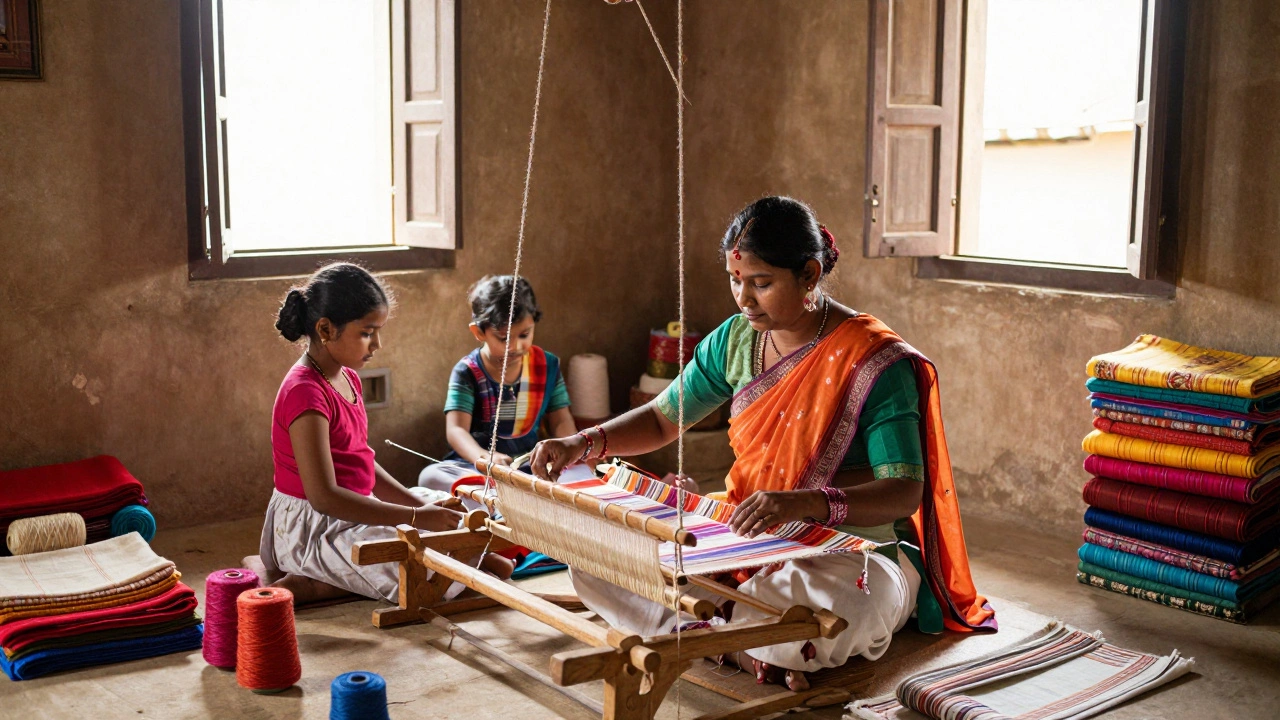
For example, if you’re in India or Nigeria, you’ll often hear "cottage industry" used in government reports and funding programs. It refers to decentralized, family-run operations that produce goods using simple tools - think handwoven textiles, wooden furniture, or pickled foods. In Canada and the U.S., you’re more likely to hear "artisanal manufacturing," especially when talking about craft beer, specialty cheeses, or custom metalwork. These terms aren’t interchangeable - they reflect different cultural and economic realities.
Cottage Industry: The Original Term
"Cottage industry" dates back to the 1700s, before factories took over. Back then, families made goods like yarn, shoes, or baskets at home and sold them locally. The name came from the fact that work happened in cottages - not factories. Today, the term still holds weight, especially in developing economies. In Bangladesh, over 40% of textile workers operate under cottage industry models. In Canada, it’s used by Statistics Canada to classify home-based producers who earn under $30,000 annually from goods they make themselves.
What makes a cottage industry? Three things: no large machinery, no formal factory setup, and production tied to household labor. You won’t find assembly lines here. You’ll find a sewing machine in the living room, a kiln in the basement, or a press in the garage. These aren’t hobbies - they’re businesses. And they’re often the only way for people without access to capital to start making money from their skills.
Artisanal Manufacturing: The Premium Label
"Artisanal manufacturing" sounds fancy, but it’s just a modern twist on old-school craftsmanship. It’s used when quality, uniqueness, and human touch matter more than speed or volume. Think of a Toronto-based maker who hand-forges kitchen knives from recycled steel, or a bakery in Ottawa that ferments sourdough for 24 hours using only flour, water, salt, and wild yeast.
This term is popular in markets where customers pay more for "made by hand" stories. It’s not just about being small - it’s about being intentional. Artisanal manufacturers often avoid automation entirely. They track ingredients by batch, name each product, and sell directly to customers at farmers' markets or online. In Quebec, artisanal manufacturing is legally protected. Only businesses that meet strict criteria - like using traditional methods and producing under 50,000 units per year - can call themselves "artisanal."
It’s not a synonym for "small scale." A company can be small but not artisanal - if it uses mass-produced parts or outsources design. And a large company can make artisanal products in limited runs. The label is about process, not size.
Micro-Manufacturing: The Tech-Savvy Version
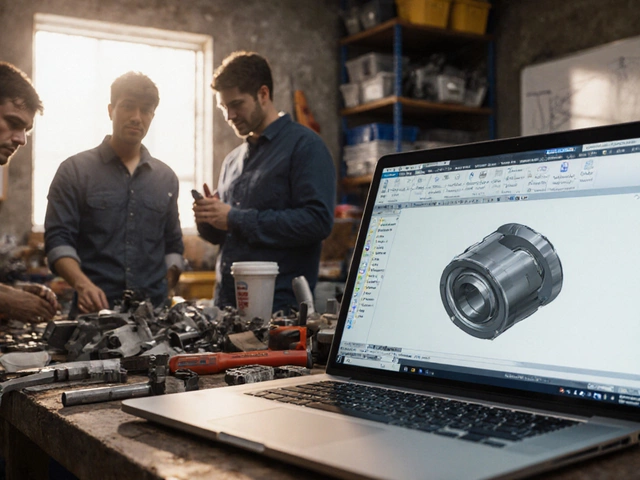
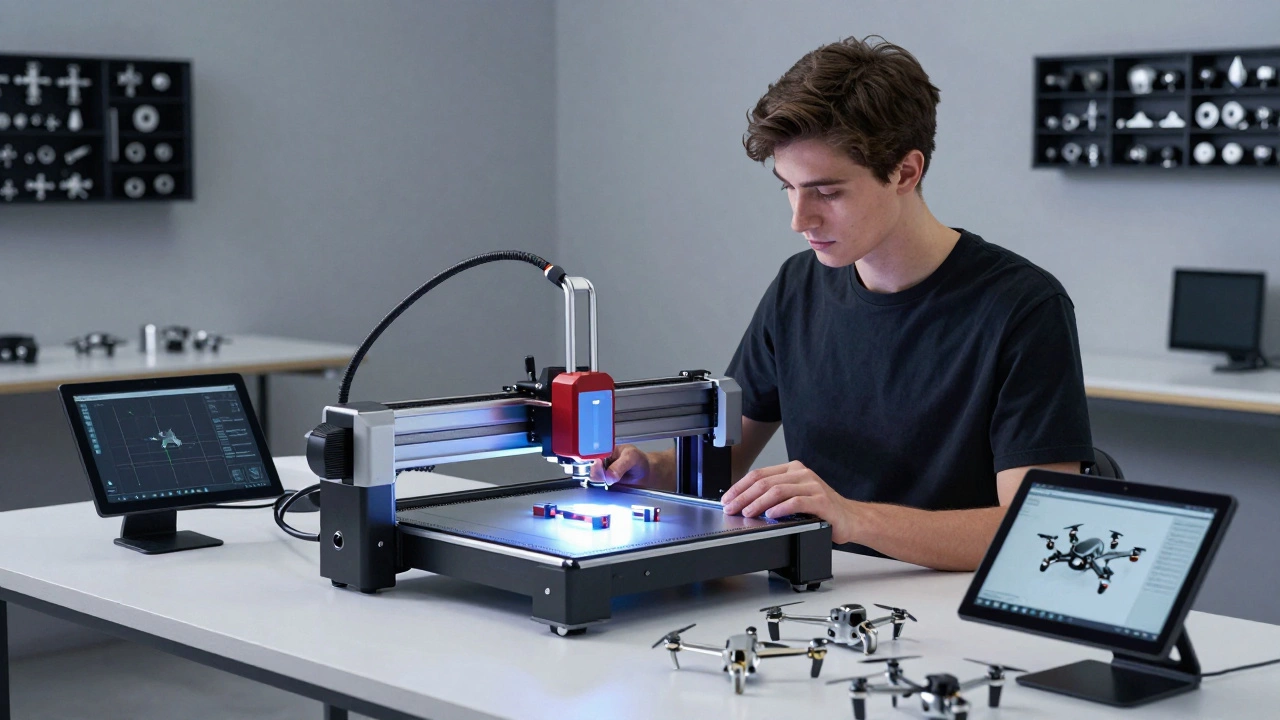
Enter micro-manufacturing - the term you’ll hear in tech hubs, innovation labs, and startup incubators. This isn’t your grandpa’s cottage industry. Micro-manufacturing uses modern tools like 3D printers, CNC routers, and laser cutters to make small batches of high-precision goods. It’s how a designer in Kitchener can produce 50 custom phone cases in a weekend, or how a medical device startup in Waterloo makes prototype surgical tools before scaling up.
What sets micro-manufacturing apart? It’s the use of digital tools to achieve economies of scale without factories. A single person with a $5,000 laser cutter can do what once required a team and a leased warehouse. The Canadian government supports this through grants under the Industrial Research Assistance Program (IRAP), specifically for firms using digital manufacturing tools with fewer than 10 employees.
Micro-manufacturing blurs the line between maker and engineer. It’s not just about making things - it’s about designing, testing, and iterating fast. This term is growing fast, especially among young entrepreneurs who don’t want to take on debt to rent factory space.
Home-Based Production: The Legal Term
If you’re filling out a tax form, applying for a business license, or dealing with zoning laws, you’ll likely see the phrase "home-based production." This is the bureaucratic term - clean, neutral, and legally binding. It covers anyone who runs a manufacturing business from their home, whether they’re making soap, jewelry, or printed circuit boards.
In Ontario, home-based production is regulated under the Planning Act. You can legally operate a small manufacturing business from home if you meet three conditions: no more than 25% of your home is used for production, you don’t have customers coming in regularly, and you don’t store hazardous materials. Violate those rules? You could get fined or forced to shut down.
Here’s the catch: "home-based production" doesn’t care if you’re using a hand-cranked lathe or a $50,000 CNC machine. It only cares about location and impact. That’s why it’s the go-to term for city planners and tax auditors - not for marketers or crafters.
How These Terms Compare
| Term | Typical Tools | Primary Use Case | Legal Recognition | Common Regions |
|---|---|---|---|---|
| Cottage Industry | Hand tools, basic machinery | Traditional crafts, textiles, food | Yes - in developing nations | India, Nigeria, Bangladesh |
| Artisanal Manufacturing | Hand tools, minimal automation | Premium goods, branded products | Yes - with certification | Canada, U.S., EU |
| Micro-Manufacturing | 3D printers, CNC, laser cutters | Prototypes, custom parts, tech goods | Yes - via innovation grants | Canada, U.S., Germany |
| Home-Based Production | Any tool, as long as it fits | Legal compliance, zoning, taxes | Yes - municipal regulations | Canada, U.S., Australia |
Why the Name Matters
Calling your business "cottage industry" vs. "micro-manufacturing" isn’t just semantics - it affects funding, customers, and even who you can work with. If you apply for a small business loan labeled for "cottage industries," you’ll be turned down if you use a CNC machine. If you pitch to a boutique retailer as a "micro-manufacturer," they’ll ask for CAD files and production timelines - not just photos of your hands at work.
Government programs also treat these terms differently. In Canada, the Canada Small Business Financing Program offers loans up to $1 million for "micro-manufacturers" using digital tools. But if you call yourself a "cottage industry," you might only qualify for micro-grants under $10,000. The label you choose opens or closes doors.
What You Should Call Yours
So what’s the right name for your operation? Start by asking yourself:
- Are you using digital tools like 3D printers or laser cutters? → Say "micro-manufacturing."
- Are you selling handmade, unique goods with a story? → Say "artisanal manufacturing."
- Are you working from home with basic tools and no employees? → Say "home-based production" for legal purposes, "cottage industry" if you’re in a developing economy.
Don’t mix terms. If you’re applying for a grant, use the exact term they list. If you’re marketing to customers, pick the one that sounds most authentic to your brand. And never call yourself "small scale manufacturing" - that’s a descriptor, not a name.
Real Examples From Around Canada
Here’s what this looks like in practice:
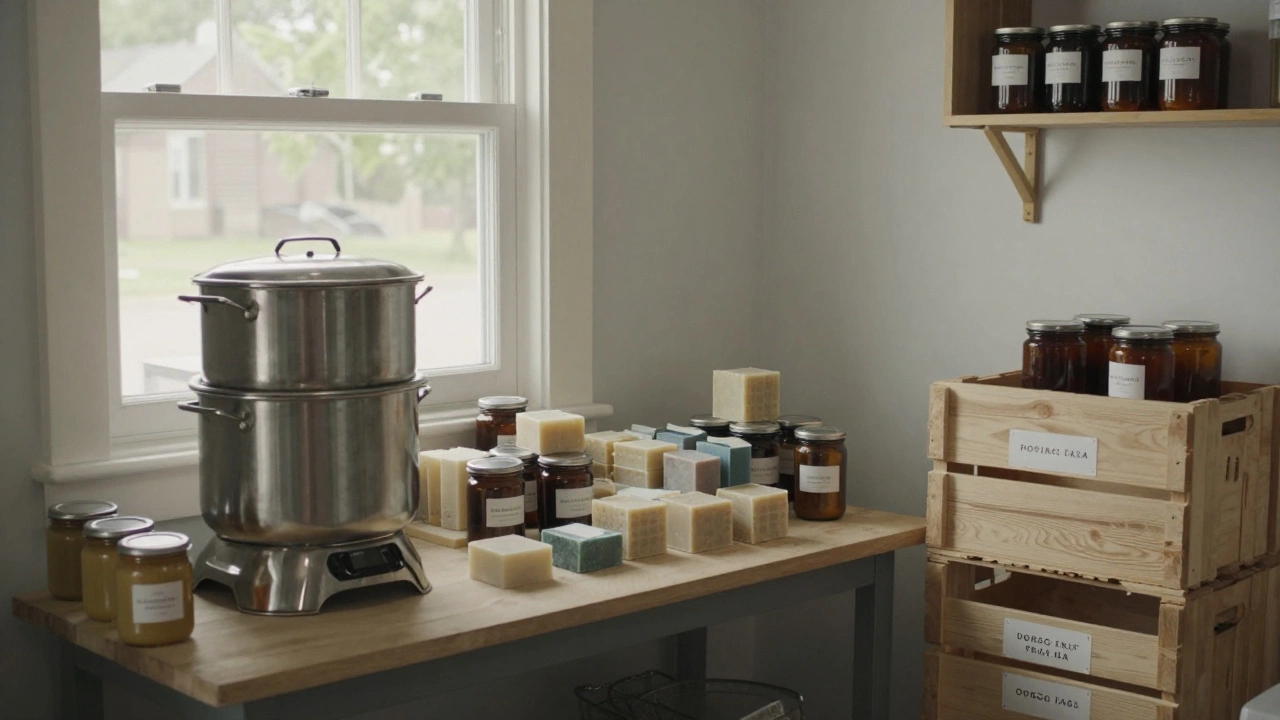
- In Prince Edward Island, a woman runs a home-based production business making organic soap. She uses a double boiler, hand-pours each batch, and sells at local markets. She calls it "home-based production" on her business license and "artisanal" on her website.
- In Calgary, a former engineer started a micro-manufacturing shop that prints custom drone parts. He uses two 3D printers and a CNC mill. His bank loan application listed him as a "micro-manufacturer," which qualified him for a tech innovation grant.
- In Winnipeg, a family makes hand-carved wooden toys using chisels and sandpaper. They’ve been doing this since the 1970s. They call themselves a "cottage industry" - and they’re listed in Manitoba’s official cottage industry directory.
Each one is small scale manufacturing. But each one uses a different name - and each one benefits from it.
Is small scale manufacturing the same as a home business?
Not always. A home business can be anything - consulting, tutoring, online sales. Small scale manufacturing specifically means you’re making physical goods. If you’re producing items - even just one at a time - it’s manufacturing. If you’re just reselling or providing services, it’s not.
Can I call my business "cottage industry" if I’m in Canada?
Yes, but it’s not common. The term is mostly used in government documents and older industries. Most Canadian makers prefer "artisanal" or "micro-manufacturing" because those terms sound more modern and are better recognized by investors and customers. But if you’re making traditional crafts like quilts or pottery, "cottage industry" still works.
Do I need a license to do small scale manufacturing from home?
It depends on your city and what you’re making. In most Canadian cities, you need a home-based business permit if you’re using machinery, storing materials, or having customers visit. If you’re making soap or candles, you may also need a product registration with Health Canada. Always check with your municipal office - rules vary by location.
Is micro-manufacturing only for tech products?
No. While it’s popular in tech, micro-manufacturing applies to anything made with digital tools. You can micro-manufacture custom jewelry with a laser engraver, handmade furniture with a CNC router, or even specialty food packaging with a digital cutter. It’s about the tool, not the product.
Can small scale manufacturers export their products?
Absolutely. Many Canadian micro-manufacturers export to the U.S. and Europe. The key is meeting international standards - like CE certification for electronics or FDA approval for food. Exporting doesn’t require a big factory - just good documentation and quality control. Programs like Export Development Canada (EDC) help small manufacturers navigate this.
What Comes Next
As automation gets cheaper and tools get smaller, the line between hobbyist and manufacturer is vanishing. More people are making real products - not just for fun, but for profit. And the language around it is evolving fast. What was once called "cottage industry" is now being reinvented as "micro-manufacturing." The term you choose today will shape how others see your business - and how much opportunity you unlock tomorrow.