Low-Cost Manufacturing Profitability Calculator
Business Parameters
Financial Breakdown (Per Unit)
Break-Even Analysis
Units to Sell to Recover Startup Costs:
At this volume, you have recovered your initial investment. All subsequent sales are pure profit minus ongoing material costs.
Ready to Calculate?
Enter your business parameters on the left to see if your low-cost manufacturing idea is profitable and sustainable.
Starting a business doesn't require a bank loan or a warehouse. In fact, some of the most profitable ventures in small scale manufacturing begin with less than $500 and a garage. The question isn't just "what is cheap," but "what creates value with minimal overhead." For aspiring entrepreneurs in 2026, the answer lies in high-margin, low-volume production models that leverage digital tools and local demand.
The Myth of the 'Zero Cost' Startup
Many people believe that starting a business requires zero capital. This is a dangerous myth. Even if you don't pay rent, you still need materials, packaging, and perhaps a basic tool. The goal of finding the cheapest business to start is actually about minimizing fixed costs while maximizing variable output. You want a model where your primary expense is the raw material for each unit you sell, not a monthly lease on machinery you barely use.
In the context of manufacturing, this means avoiding heavy industrial equipment. Instead, focus on processes that can be done manually or with affordable desktop tools. Think about items like handmade candles, custom printed t-shirts, or small-batch food products. These sectors allow you to test the market before committing significant funds. If the product doesn't sell, your loss is limited to the cost of a few kilograms of wax or fabric, not a $10,000 injection molding machine.
Top 5 Lowest-Cost Manufacturing Ideas
When we look at the landscape of micro-manufacturing, five categories consistently emerge as the most accessible for beginners. These businesses share common traits: low entry barriers, simple supply chains, and high perceived value by consumers.
- Handmade Candles and Soaps: The barrier to entry here is incredibly low. A double boiler, silicone molds, and raw wax or oils can be purchased for under $100. The profit margins are often 50-70% because the raw materials are inexpensive, but the branding and scent profile allow for premium pricing.
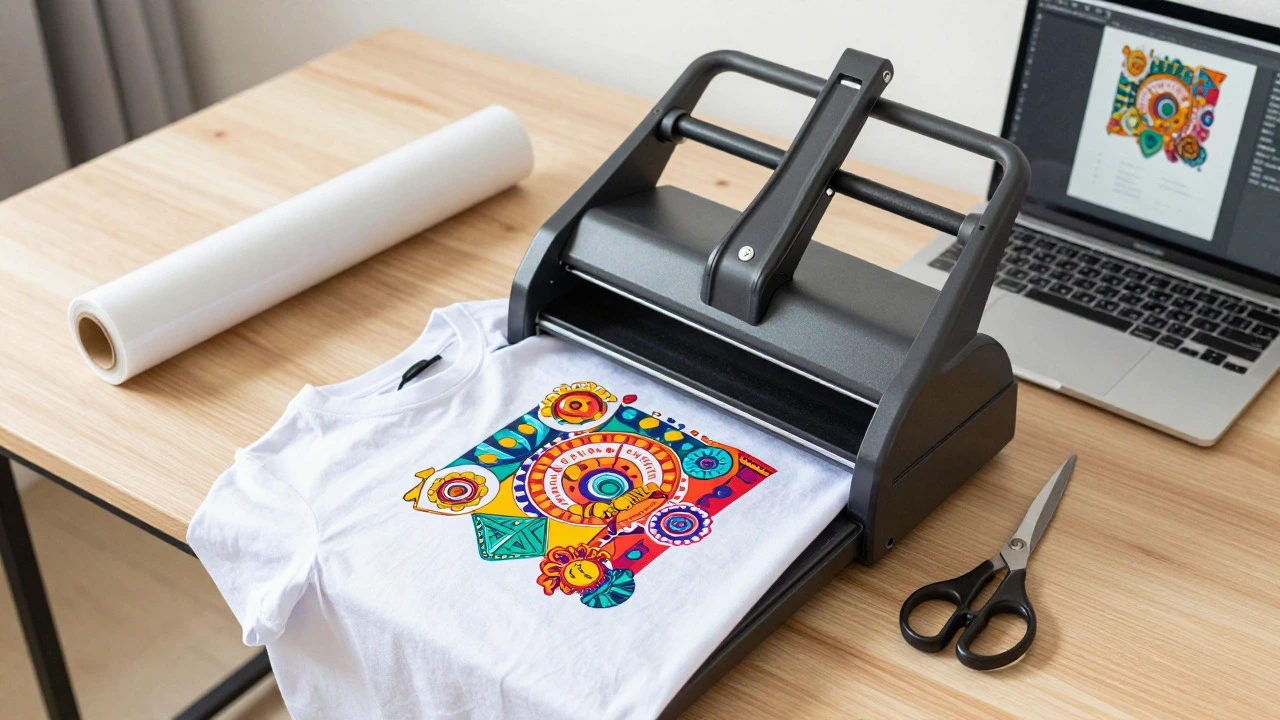
- Custom Apparel Printing: With the rise of direct-to-garment (DTG) printers or even heat-transfer vinyl (HTV) kits, you can produce custom t-shirts from home. HTV setups can cost less than $200. The key here is niche targeting-creating designs for specific hobbies, professions, or local events.
- Small-Batch Food Processing: Making hot sauces, jams, or granola bars requires kitchen equipment most people already own. However, this path has higher regulatory hurdles. You'll need to check your local cottage food laws. In many regions, you can sell non-potentially hazardous foods directly to consumers without a commercial kitchen license initially.
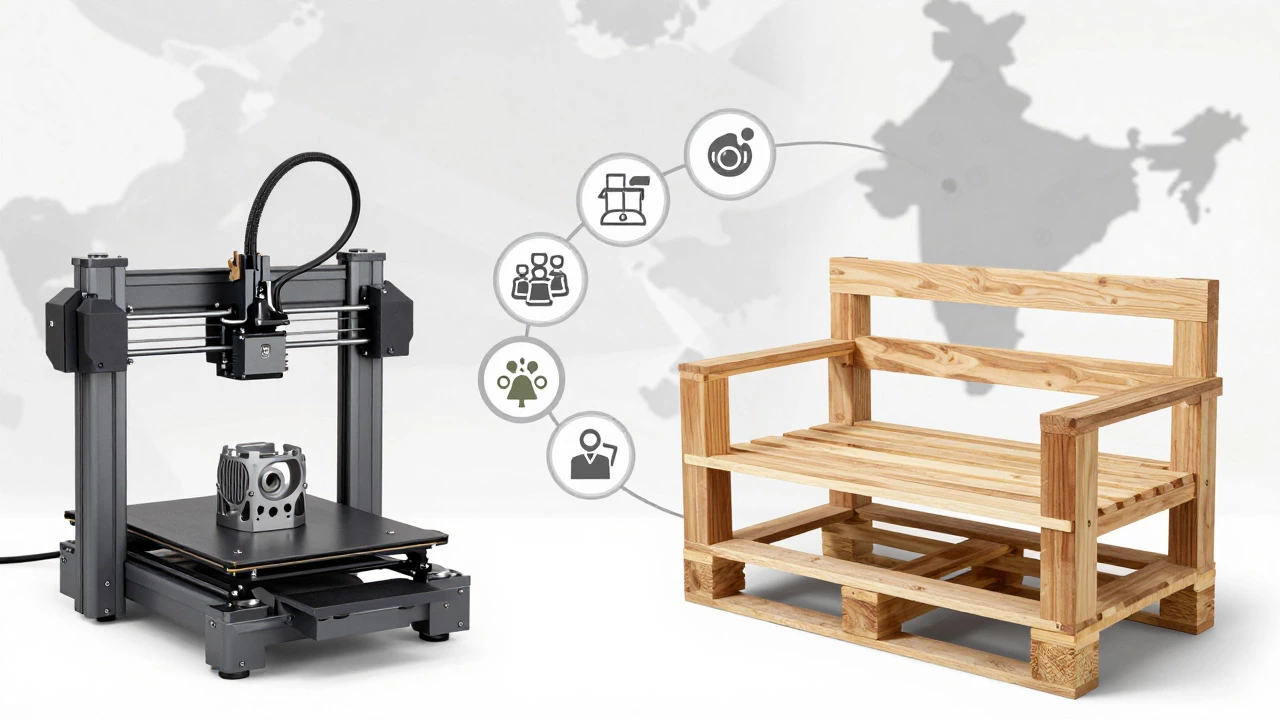
- 3D Printing Services: While a good 3D printer costs between $200 and $500, it opens up a world of prototyping and custom part manufacturing. You can print replacement parts for household items, cosplay props, or architectural models. The cost per item is mostly electricity and filament, which is very low.
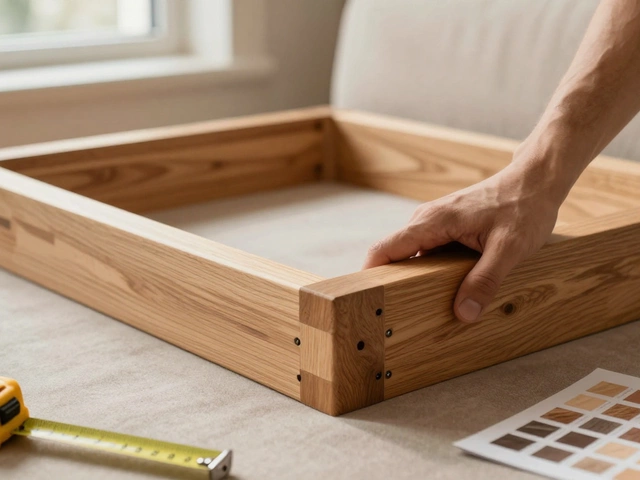
- Upcycled Furniture and Woodworking: Sourcing free or cheap pallets and scrap wood allows you to create high-value furniture pieces. The investment is primarily in hand tools (saws, sanders, drills). The value add comes from your labor and design sense, turning trash into treasure.
| Business Type | Estimated Startup Cost | Primary Skill Required | Regulatory Complexity |
|---|---|---|---|
| Candle Making | $100 - $300 | Attention to detail, mixing | Low |
| Custom Apparel | $200 - $500 | Design, printing operation | Low |
| Small-Batch Food | $50 - $200 | Cooking, hygiene standards | High (Local Laws) |
| 3D Printing | $200 - $600 | Technical modeling, machine maintenance | Low |
| Upcycled Woodwork | $100 - $400 | Carpentry, finishing | Low |
Why Small Scale Manufacturing Wins in 2026
The economic climate of 2026 favors agility over size. Large corporations struggle with long supply chains and high overhead. Small manufacturers can pivot quickly. If customers want eco-friendly packaging, you switch tomorrow. If they want a new color, you adjust the next batch. This responsiveness is a competitive advantage that large players cannot match.
Furthermore, consumers are increasingly valuing authenticity. People want to know who made their products and how. By keeping operations small, you can tell a genuine story. "Made by Bennett in Toronto" carries more weight than "Made by GlobalCorp Inc." This emotional connection allows you to charge higher prices, offsetting the lower volume of production.
Hidden Costs to Watch Out For
While the initial outlay is low, hidden costs can kill a small manufacturing business. Be aware of these three traps:
- Packaging: It's tempting to use plain boxes, but unboxing is part of the product experience. Cheap packaging makes your product look cheap. Invest in branded labels or recycled paper bags that align with your brand identity.
- Shipping Materials: Bubble wrap, tape, and boxes add up fast. Calculate shipping costs accurately. If you offer free shipping, bake that cost into your product price from day one.
- Time vs. Money: Your time has value. If you spend 10 hours making a candle that sells for $20, you're earning $2/hour. That's not a business; that's a hobby. Aim for processes that can be streamlined or batched to increase hourly efficiency.
Scaling Without Breaking the Bank
You don't need to rent a factory to grow. Use the "pre-order" model. Launch a campaign on social media or a simple website. Take orders and collect payments before you buy the raw materials. This ensures cash flow positivity and eliminates inventory risk. As demand grows, reinvest profits into better tools. Move from hand-pouring candles to a semi-automatic filler. Move from a single 3D printer to a farm of five. Growth should be organic, funded by sales, not debt.
Legal and Safety Basics
Even small businesses need legal structure. Registering your business name protects your brand. Check if you need a seller's permit to collect sales tax. For manufacturing, safety data sheets (SDS) for chemicals (like wax melts or dyes) are crucial. Keep them accessible. If you're working with food, health department inspections are mandatory. Don't cut corners here; one violation can shut you down instantly.
Marketing on a Shoestring Budget
You don't need a marketing agency. Use platforms where your customers already are. Instagram and TikTok are visual goldmines for manufacturing. Show the process. People love watching things being made. Post videos of the candle pouring, the shirt printing, or the wood sanding. Behind-the-scenes content builds trust and drives sales without ad spend. Engage with comments and build a community around your craft.
What is the absolute cheapest business to start in 2026?
The absolute cheapest is likely service-based manufacturing like custom embroidery or digital printing using existing home computers. However, for physical goods, handmade soap or candle making typically has the lowest barrier, with startup costs under $100 for basic supplies.
Do I need a special license to start small-scale manufacturing?
It depends on what you make. General crafts usually only require a general business license. Food, cosmetics, and children's toys have stricter regulations. Always check with your local municipal office and health department before launching.
Can I run a manufacturing business from my home?
Yes, most small-scale manufacturing can be done from home. Check your Homeowners Association (HOA) rules or local zoning laws to ensure home-based businesses are permitted. Ensure you have proper ventilation if using chemicals or paints.
How do I find suppliers for raw materials?
Start with online wholesalers like Alibaba for bulk plastics or fabrics, or local specialty stores for smaller quantities of wax, oils, or textiles. Building relationships with local suppliers can sometimes yield better prices and faster delivery times.
Is dropshipping cheaper than manufacturing?
Dropshipping has lower upfront costs but much lower profit margins and less control over quality. Manufacturing allows you to build a unique brand and keep higher profits per unit, though it requires more initial effort and inventory management.