Tim Woods' Waste Audit Tool
Select all the inefficiencies you currently observe in your manufacturing process to generate a customized action plan.
Transport
Unnecessary movement of materials between locations.
Inventory
Holding excess raw materials or finished goods.
Motion
Unnecessary physical movement by workers (walking, reaching).
Waiting
Idle time for people or machines waiting for input.
Overproduction
Making more than needed or making it too early.
Over-processing
Doing more work or adding features not required by customer.
Defects
Errors requiring rework, scrap, or replacement.
Skills
Underutilizing talent; high-skilled workers doing low-skill tasks.
Management
Lack of direction, bottlenecks, or excessive bureaucracy.
Energy
Wasting power, heat, light, or water unnecessarily.
Materials
Using more material than necessary or excessive packaging.
Environment
Negative impact like pollution or improper waste disposal.
Your Prioritized Action Plan
Key Metric to Track
Based on your selection, focus on measuring: Cycle Time.
Most new manufacturing businesses fail not because they lack a good product, but because they bleed money through invisible inefficiencies. You might have the best idea for a gadget or a component, but if your production line is clogged with delays and excess inventory, you’re losing cash every hour. This is where Tim Woods theory, more commonly known as the 12 Types of Waste model, becomes your most valuable tool.
Tim Woods was a prominent figure in the UK’s Institute of Production and Development Management (IPDM). In the late 1980s, he expanded upon the original seven wastes identified by Taiichi Ohno at Toyota. Woods argued that modern business environments required a broader lens to identify all forms of non-value-adding activities. His framework doesn’t just apply to car factories; it is critical for any startup trying to scale from garage-level production to industrial output.
The Core Concept: Value vs. Waste
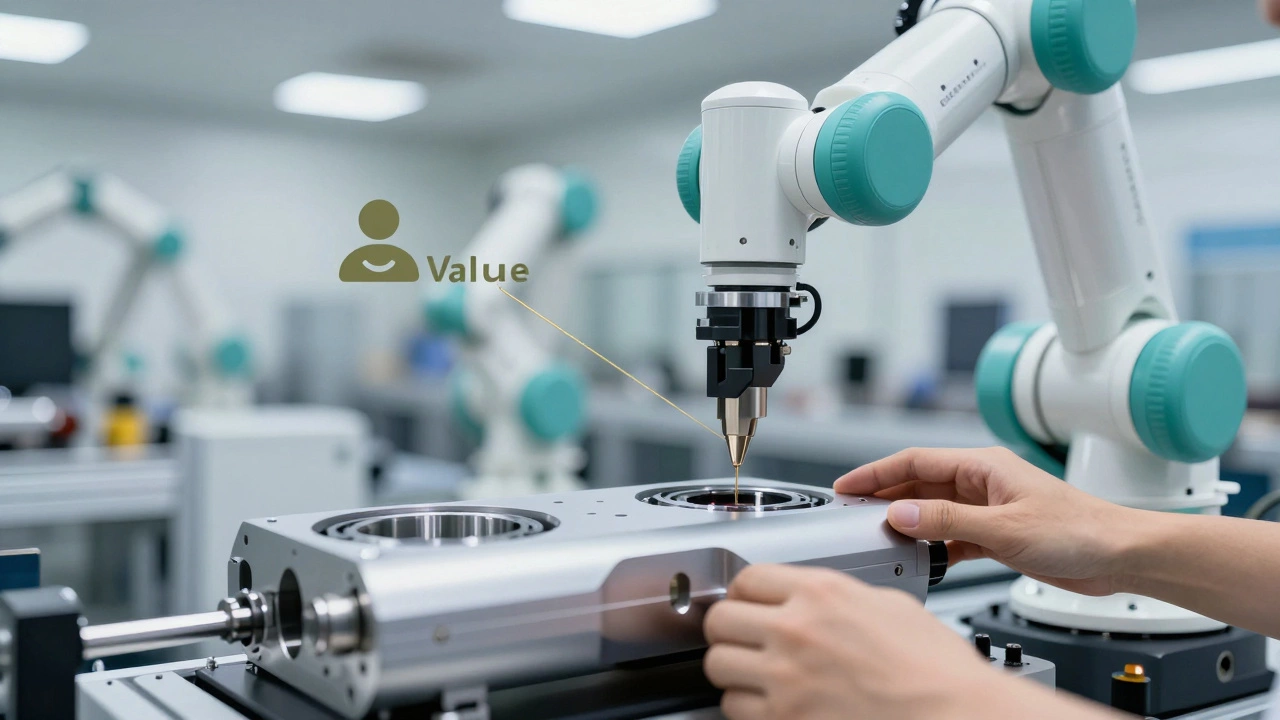
To understand Woods’ theory, you first need to define what "value" means in your specific context. In manufacturing, value is only created when the customer is willing to pay for it. If a step in your process does not change the product in a way the customer cares about, it is waste. Period.
Many founders mistake activity for productivity. Just because your team is busy moving boxes, filling out forms, or waiting for parts doesn’t mean they are creating value. Woods’ framework forces you to look at your operations critically. It asks: "Does this action directly contribute to the final product the customer ordered?" If the answer is no, you are dealing with one of the twelve wastes.
The Original Seven Wastes (Toyota Foundation)
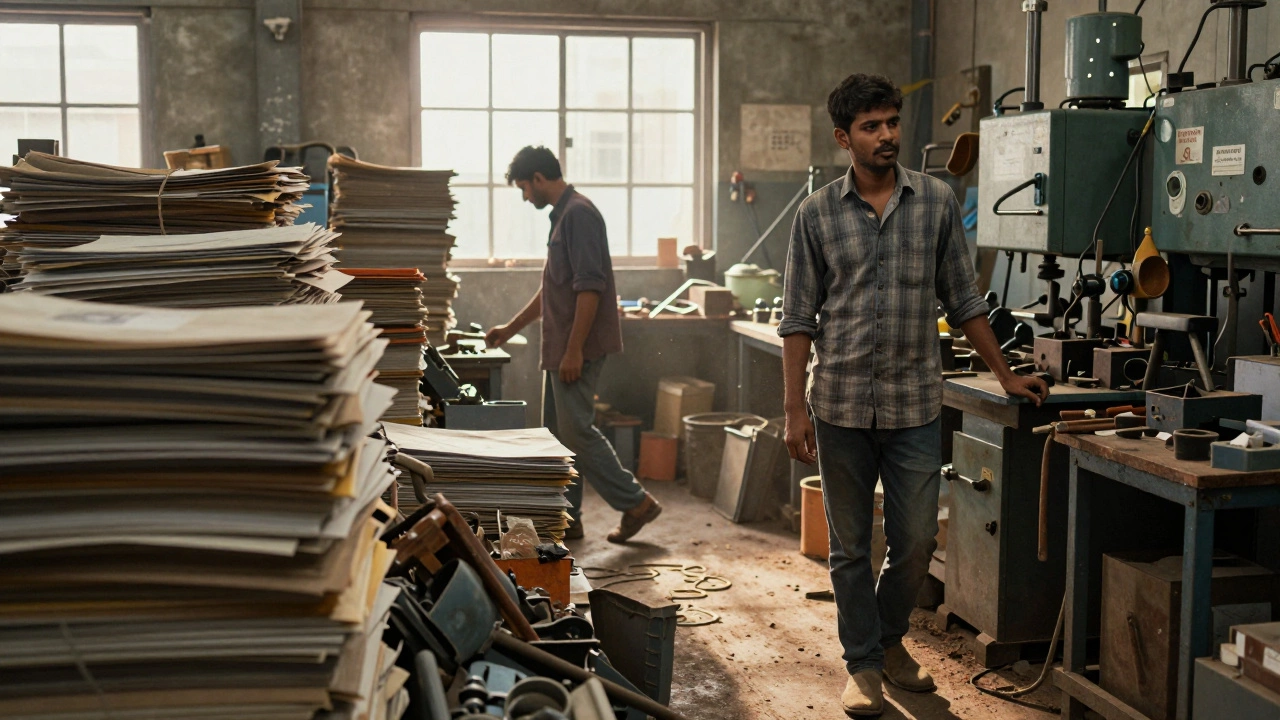
Woods built his theory on the foundation laid by Toyota Production System (TPS) experts. These seven wastes are the classic signs of an inefficient factory floor. For a startup, recognizing these early can save thousands in overhead costs.
- Transport: Moving materials unnecessarily. Every time you move a part from one side of the warehouse to another without adding value, you risk damage, delay, and wasted labor hours.
- Inventory: Holding more stock than needed. Excess raw materials tie up cash flow and hide problems like poor quality or inconsistent supply chains. Finished goods sitting on shelves are also costing you storage fees.
- Motion: Unnecessary movement by people. If your workers have to walk 500 steps a day to reach tools or bins, that is lost time. Efficient layout design minimizes this physical strain.
- Waiting: Idle time. When machines sit idle waiting for operators, or operators wait for machine cycles to finish, you are paying for nothing. This includes waiting for approvals, materials, or information.
- Overproduction: Making too much, too soon. Producing items before they are ordered is the worst form of waste. It creates inventory, hides defects, and uses resources prematurely.
- Over-processing: Doing more work than required. Adding features, finishes, or inspections that the customer didn’t ask for adds cost without increasing perceived value.
- Defects: Errors that require rework or scrap. Defects destroy value twice: once in the creation of the bad product, and again in the effort to fix or replace it.
The Five Additional Wastes Identified by Tim Woods
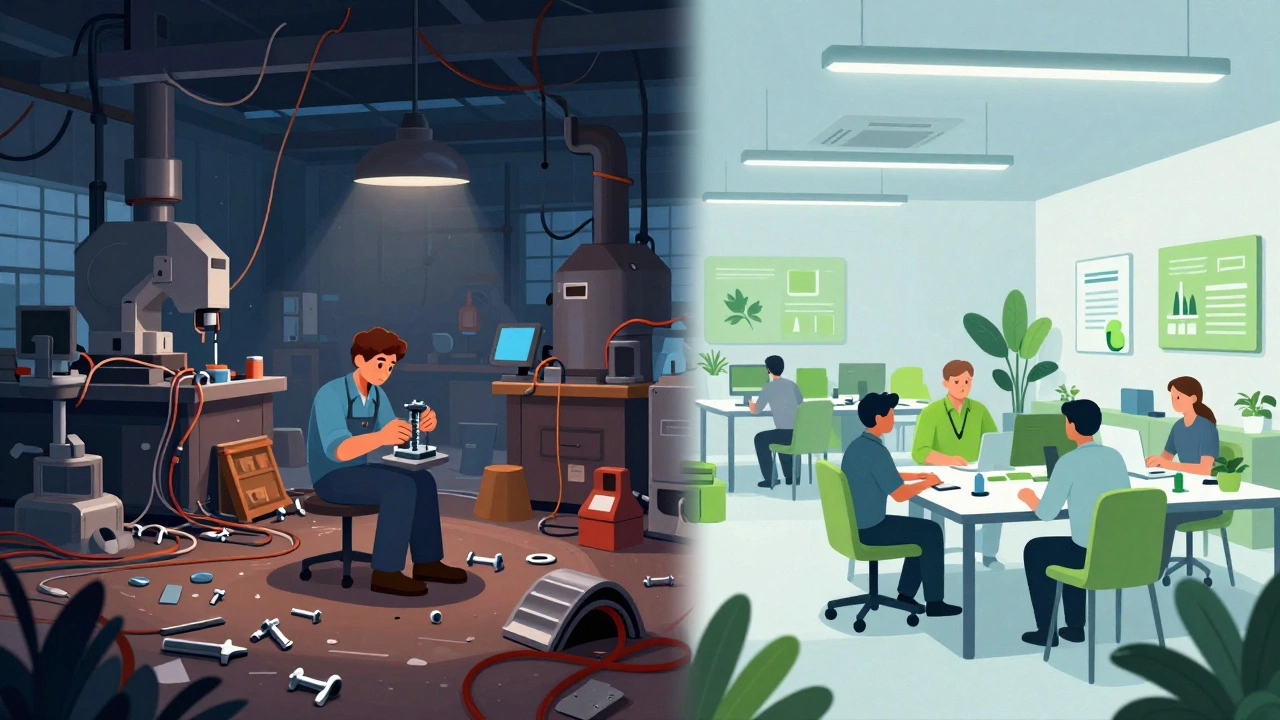
Tim Woods recognized that as businesses grew more complex, new types of inefficiency emerged. These five additions are particularly relevant for startups navigating administrative hurdles, human resource challenges, and environmental responsibilities.
- Skills (Underutilization of Talent): Using highly skilled workers for low-skill tasks. If you have an engineer assembling screws manually instead of designing automation, you are wasting their potential. This leads to high turnover and missed innovation opportunities.
- Management: Lack of clear direction or decision-making bottlenecks. Poor management processes create confusion, duplicated efforts, and delayed responses to market changes. This includes excessive bureaucracy and unclear roles.
- Energy: Wasting power, heat, light, or water. Energy inefficiency increases operational costs and harms sustainability goals. Leaking compressed air lines or leaving lights on in empty zones are common examples.
- Materials: Using more material than necessary. This includes excessive packaging, off-cuts, or using premium-grade materials when standard grades would suffice. Material waste directly hits your gross margin.
- Environment: Negative impact on the surroundings. This includes pollution, improper disposal of hazardous waste, and failing to comply with environmental regulations. Ignoring this can lead to fines, reputational damage, and shutdowns.
| Waste Type | Category | Impact on Startup |
|---|---|---|
| Overproduction | Traditional (Toyota) | Ties up cash flow in unsold inventory |
| Defects | Traditional (Toyota) | Increases cost per unit and damages reputation |
| Skills | Tim Woods Extension | High employee turnover and low morale |
| Management | Tim Woods Extension | Slow decision-making and strategic drift |
| Energy | Tim Woods Extension | Rising utility bills and carbon footprint |
| Environment | Tim Woods Extension | Regulatory fines and brand risk |
Applying Tim Woods Theory to Your Manufacturing Startup
You don’t need a massive corporate budget to implement these principles. In fact, startups are often better positioned to adopt them because they haven’t yet developed rigid, inefficient habits. Here is how you can start applying this today.
Audit Your Floor Walk Take a video of your production process from start to finish. Watch it back and mark every second where no value is being added. Count how many times materials are moved. Note how long operators stand around waiting. This visual audit will reveal obvious sources of Transport, Motion, and Waiting waste.
Right-Size Your Inventory Stop buying raw materials in bulk just because you get a discount. Calculate your actual monthly usage and order accordingly. Use Just-in-Time (JIT) principles where possible. This reduces Inventory waste and frees up cash for marketing or R&D.
Empower Your Team Address the Skills waste by involving your frontline workers in problem-solving. They know the process better than anyone. Ask them: "What slows you down?" Then act on their suggestions. This also improves Management efficiency by decentralizing decision-making.
Track Energy and Materials Install sub-meters on high-energy equipment. Monitor material yield rates closely. If you’re cutting 20% of your sheet metal into scrap, revisit your nesting software or cutting patterns. Small improvements here compound quickly.
Common Pitfalls to Avoid
When implementing lean principles based on Tim Woods’ theory, many startups make mistakes that undermine progress.
- Focusing only on speed: Rushing production often increases Defects and Over-processing. Quality must be built in, not inspected in.
- Ignoring culture: Lean is not just a set of tools; it’s a mindset. If employees feel blamed for waste rather than empowered to fix it, resistance will grow.
- Over-complicating metrics: Don’t track 50 different KPIs. Focus on the vital few: cycle time, first-pass yield, and on-time delivery.
- Neglecting environmental compliance: Treating Environment as an afterthought can lead to catastrophic legal issues. Integrate sustainability into your design phase.
Why This Matters for Long-Term Success
Manufacturing margins are thin. Unlike software companies, you cannot simply scale infinitely with zero marginal cost. Every dollar saved through waste reduction flows directly to your bottom line. By adopting Tim Woods’ comprehensive view of waste, you build a resilient operation capable of handling growth without breaking.
Start small. Pick one type of waste-perhaps Waiting or Defects-and tackle it this week. Measure the improvement. Then move to the next. Consistency beats intensity in manufacturing excellence.
Who was Tim Woods?
Tim Woods was a leading expert in production management and a former president of the Institute of Production and Development Management (IPDM) in the UK. He is best known for expanding the original seven wastes of lean manufacturing into twelve by adding skills, management, energy, materials, and environment.
How is Tim Woods theory different from Toyota's original model?
Toyota’s original model focused on seven physical wastes within the production process. Tim Woods added five more categories that address human resources (skills), organizational structure (management), and sustainability (energy, materials, environment), making it more holistic for modern businesses.
Can small manufacturing startups benefit from this theory?
Yes, absolutely. Startups often have limited capital and cannot afford significant waste. Applying these principles helps optimize cash flow, improve quality, and build efficient processes from the ground up, providing a competitive advantage over larger, slower competitors.
What is the most dangerous waste for a new business?
Overproduction is often considered the most dangerous because it ties up scarce cash in inventory that may never sell. It also masks other problems like poor quality or unreliable suppliers, preventing the founder from seeing the real issues in their operation.
How do I measure if I am reducing waste effectively?
Track key metrics such as cycle time (how long it takes to produce one unit), first-pass yield (percentage of units made correctly without rework), and inventory turnover rate. Regularly review these numbers to see if your improvements are translating into tangible results.




Oct 10 2025