Bathroom Color & Staging Simulator
Configure Room
You’ve just finished sanding the cabinets and tiling the shower. Now comes the question that keeps every homeowner up at night: what color should I paint the walls? If you’re planning to sell your home in 2026, the answer isn’t about your personal taste. It’s about psychology, market data, and making sure the next buyer can see themselves living there. Choosing the wrong shade can cost you thousands in lost equity or months on the market. Getting it right makes the space feel larger, cleaner, and more expensive than it actually is.
The short answer? Stick to neutrals. But "neutral" doesn't mean boring beige from the 1990s. Today’s buyers expect sophistication. They want warmth without clutter. This guide breaks down exactly which shades work, why they work, and how to apply them so your bathroom becomes a selling point rather than a negotiation hurdle.
Why Neutral Colors Dominate Real Estate
When you walk into a home for sale, you aren’t buying a house; you’re buying a future. Buyers struggle to visualize their own lives in spaces that scream someone else’s personality. A deep navy blue might be stunning to you, but to a buyer, it feels dark, small, and potentially damp. A bright coral wall feels dated before you even step inside.
Neutral paint colors are shades like white, gray, beige, and soft greige that appeal to the widest range of buyers by creating a blank canvas. These colors do three critical things for sellers:
- Expand perceived space: Lighter tones reflect light, making small bathrooms feel airy and large.
- Highlight features: When the walls disappear, the marble countertop, the new faucet, and the tilework take center stage.
- Reduce friction: Buyers don’t have to mentally subtract the cost of painting over bold colors. That mental math often leads to lower offers.
Data from major real estate platforms consistently shows that homes with neutral interiors sell faster and closer to asking price. In 2025 and early 2026, the trend has shifted slightly away from stark, cold whites toward warmer, earthier neutrals. Buyers are tired of hospital-like sterility. They want comfort, but not chaos.
The Top 3 Selling Colors for Bathrooms in 2026
Not all neutrals are created equal. Some shades make a room look dirty; others make it look luxurious. Here are the three specific color families that are moving houses right now.
1. Warm Greige (The New King)
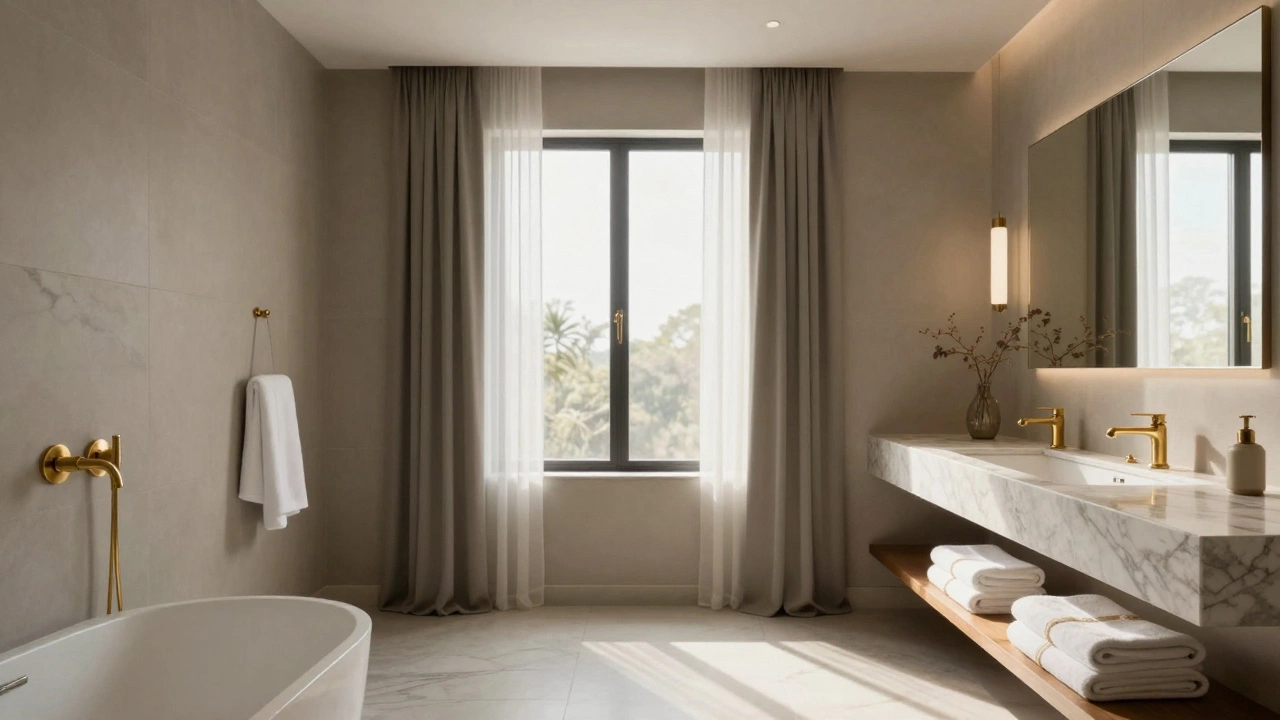
Greige is a hybrid color combining gray and beige, offering the modern feel of gray with the warmth of beige. Pure gray can feel cold and industrial, especially in northern climates or rooms with poor natural light. Pure beige can look yellowed and outdated. Greige hits the sweet spot. It pairs beautifully with both warm wood tones and cool stone surfaces. Look for paints labeled "warm gray" or "greige." Specific popular shades include Benjamin Moore’s *Revere Pewter* or Sherwin-Williams’ *Agreeable Gray*. These colors bounce light around the room while adding a subtle depth that flat white lacks.
2. Crisp White (With Caution)
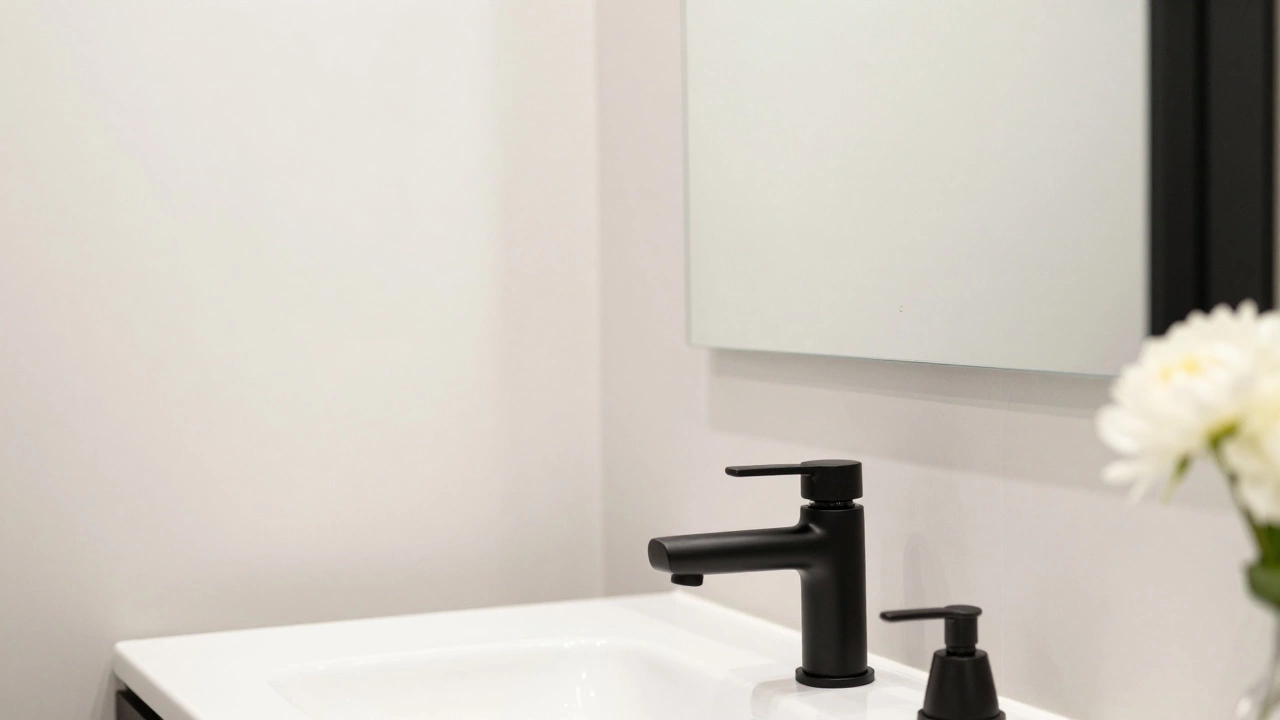
White is timeless, but it’s risky. A pure, bright white (like *Chantilly Lace*) can make imperfections in drywall pop out like sore thumbs. It can also feel clinical. If you choose white, go for an "off-white" or "cream" with a slight undertone. Think *Swiss Coffee* or *Alabaster*. These whites soften the harshness of fluorescent lighting and pair well with black fixtures, which remain a top choice for bathroom accessories in 2026. White works best in master bathrooms where cleanliness is the primary vibe buyers seek.
3. Soft Sage or Muted Green
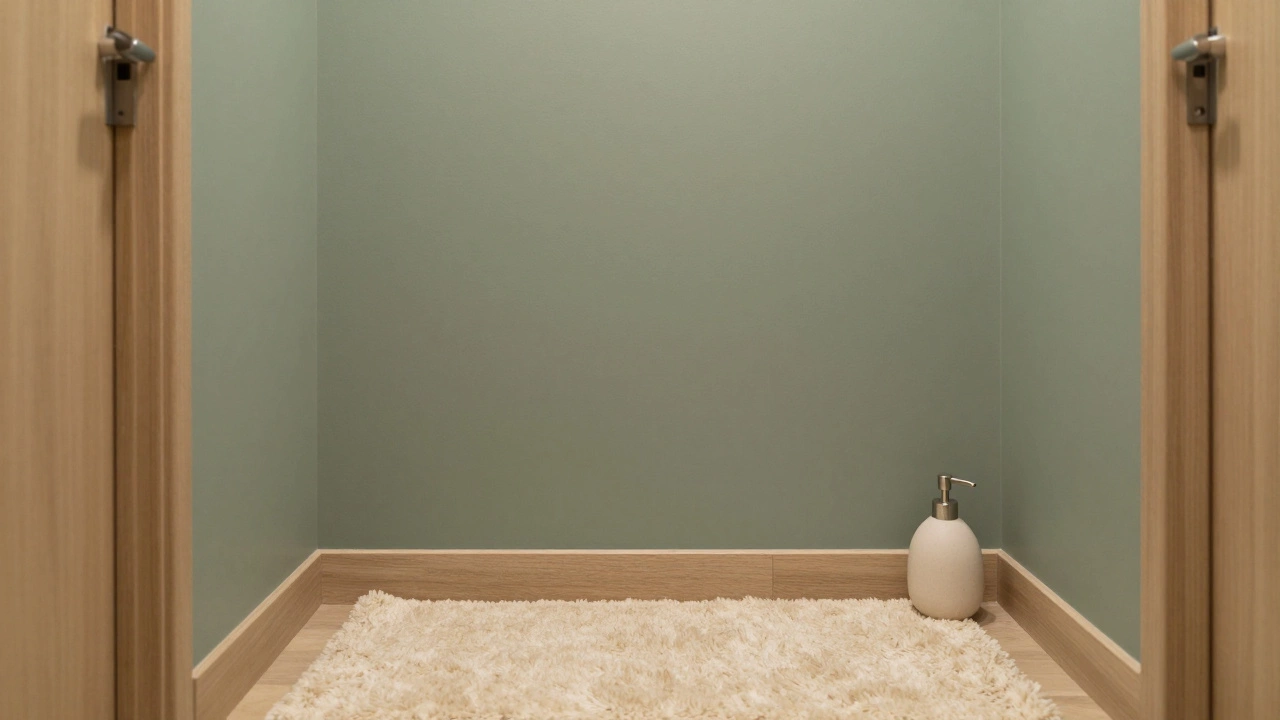
This is the wildcard. While neutrals dominate, a very muted, gray-green (sage) is gaining traction as a "feature wall" or for smaller powder rooms. It evokes nature and spa-like tranquility. However, this must be done sparingly. If you use green, keep it light and desaturated. Dark forest greens are still too polarizing for mass-market sales. Use sage only if the rest of the house leans toward organic, biophilic design.
| Color Family | Best For | Lighting Needs | Risk Level |
|---|---|---|---|
| Warm Greige | All bathrooms, especially small ones | Works in low or high light | Low |
| Off-White/Cream | Master baths, clean aesthetic | Requires good natural light | Medium |
| Muted Sage | Powder rooms, spa vibes | Needs warm artificial light | High |
The Role of Fixtures and Accessories
Your paint color doesn’t exist in a vacuum. It interacts with your bathroom accessories such as towels, rugs, soap dispensers, and hardware that define the style of the room. In 2026, the trend is mixing metals and textures to add interest without using bold paint colors.
If you’ve painted your walls a warm greige, you have flexibility. You can pair it with brushed gold faucets for a touch of luxury, or matte black towel bars for a modern edge. The key is cohesion. Don’t mix chrome, brass, and oil-rubbed bronze randomly. Pick one metal finish and stick to it across the sink, shower, and towel racks.
Towels and rugs are your cheapest decor tool. Leave them folded neatly in white or cream. Avoid colorful towels with patterns. They distract the eye and suggest clutter. The goal is to show the buyer the potential of the space, not your current organizational system.
Lighting: The Hidden Color Variable
A color looks different under sunlight than it does under LED bulbs. Before you commit to a paint swatch, test it in the actual bathroom at different times of day. North-facing bathrooms get cooler, bluer light, which can make warm greiges look muddy. South-facing rooms get warm, yellow light, which can make off-whites look dingy.
If your bathroom has no window, you are entirely dependent on artificial light. In this case, avoid cool grays. They will look sterile. Opt for warmer whites or greiges with red or yellow undertones. Also, consider upgrading your light bulbs to 3000K (soft white). Cooler 4000K or 5000K bulbs cast a blue hue that exaggerates shadows and makes skin tones look sickly-a bad look for a mirror-heavy room.
Common Mistakes That Kill Sales
Even with the right color, execution matters. Here are the pitfalls that turn a good bathroom into a deal-breaker:
- Ignoring Undertones: Paint looks pink in one store and green in another. Always buy large sample pots. Paint a 2x2 foot square on the wall. Live with it for two days. Watch how it changes from morning to night.
- Going Too Dark: Dark bathrooms feel cramped and hidden. Unless you have a massive ensuite with skylights, avoid charcoal, navy, or black. These colors are great for rentals to young professionals, but they scare off family buyers who prioritize brightness and hygiene.
- Matching the Trim Exactly: Your baseboards and door frames should contrast slightly with the walls. If everything is the same shade of white, the room loses definition. Keep trim crisp white and walls a soft off-white or greige for depth.
- Overlooking Grout Lines: If your tiles are old and the grout is stained brown, no amount of fresh paint will save the look. Clean or regrout before you paint. Dirty grout signals neglect to buyers.
Staging Tips Beyond Paint
Paint is the foundation, but staging sells the dream. Once your walls are the perfect neutral, focus on decluttering. Remove personal photos, toiletries, and excess towels. The counter should be mostly empty, perhaps holding a single vase with fresh flowers or a simple ceramic soap dispenser. This technique, known as "depersonalization," helps buyers project their own lives onto the space.
Add scent strategically. A faint hint of citrus or linen suggests cleanliness. Avoid heavy perfumes, which can mask odors and raise red flags. Finally, ensure the mirror is streak-free. A dirty mirror reflects dirt everywhere, undermining the effort you put into the paint job.
Is gray still a good color for selling a house in 2026?
Yes, but only warm gray or greige. Cold, blue-based grays are falling out of favor as they can make bathrooms feel sterile and uninviting. Warm grays bridge the gap between modern and cozy, appealing to a broader demographic of buyers.
Should I paint my bathroom cabinets a different color?
Generally, no. Keeping cabinets white or matching the wall color creates a seamless, larger look. If you have dark wood cabinets, consider refinishing them to a lighter oak or white rather than painting them a bold color. High-contrast cabinet colors can date the home quickly.
What is the most expensive-looking bathroom color?
Crisp white paired with black fixtures and marble accents tends to read as the most luxurious. However, a sophisticated warm greige with gold hardware also conveys high-end value. The perception of expense comes more from the quality of materials (tile, faucets) than the wall color itself.
Can I use accent colors in a bathroom I'm trying to sell?
It’s risky. Most buyers prefer a neutral backdrop. If you love color, express it through easily removable accessories like towels, bath mats, or art. Never paint an entire wall a bold color unless you are targeting a very niche market. Stick to 80% neutral, 20% texture/accessory.
How much does painting a bathroom increase home value?
While paint alone rarely adds direct dollar-for-dollar value, it significantly impacts time on market and final offer price. A fresh coat of neutral paint costs less than $200 but can prevent buyers from negotiating down due to "dated" or "dirty" appearances. It’s one of the highest ROI cosmetic updates you can make.
Choosing the right bathroom color is less about design trends and more about human psychology. By selecting warm, neutral tones like greige or off-white, you create a space that feels clean, spacious, and adaptable. This allows potential buyers to fall in love with the home’s potential, not fight against its personality. Remember, the goal isn’t to impress them with your taste; it’s to make it easy for them to say yes.