US Steel Plant & Company Locator
Enter a city, state, or company name to see where American steel is produced.
Walk into any hardware store or look at the skyline of a major city, and you might wonder where all that metal comes from. With headlines often focusing on imports from China or tariffs on global trade, it is easy to assume the United States has stopped making its own heavy materials. The short answer is yes, steel is still made in the USA. In fact, the United States remains one of the top steel-producing nations in the world, alongside China and India.
However, the landscape looks different than it did fifty years ago. We do not have thousands of small local mills anymore. Instead, we have a concentrated industry dominated by a few large players using modern technology. If you are looking for 'Made in USA' steel for construction, automotive parts, or manufacturing, understanding who makes it and how they make it matters more than ever.
The Current State of US Steel Production
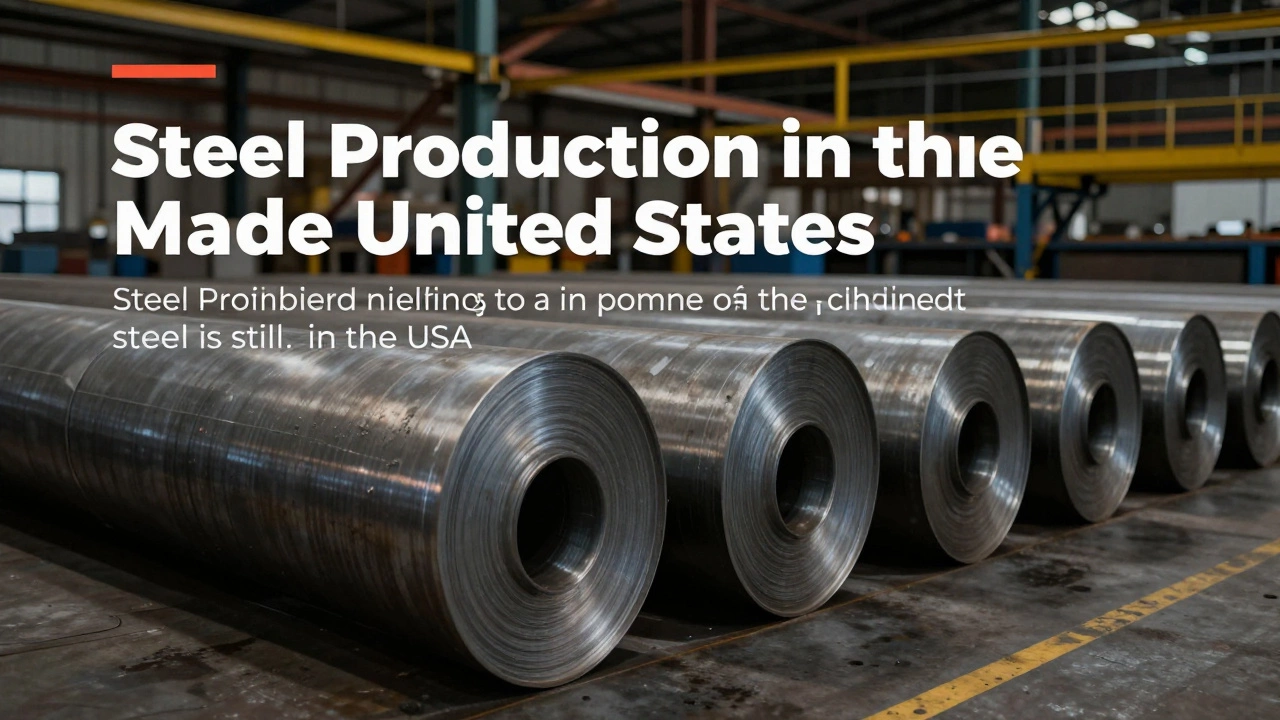
To understand if steel is made here, we need to look at the numbers. According to data from the American Iron and Steel Institute (AISI), the United States produces roughly 80 million metric tons of crude steel annually. This accounts for about 7% to 8% of global production. While this is down from the peak of over 130 million tons in the late 1970s, it is still a massive industrial output.
The key shift has been in efficiency. Today’s mills produce more with fewer workers and less energy. The industry has moved away from the traditional integrated mills that required massive coal inputs and huge workforces, toward more flexible and cleaner methods. This means that while there are fewer plants, the ones that remain are highly productive and technologically advanced.
| Company | Primary Technology | Key Locations |
|---|---|---|
| Nucor Corporation | Electric Arc Furnace (EAF) | South Carolina, Texas, Ohio, Pennsylvania |
| Cleveland-Cliffs Inc. | Integrated Blast Furnace & EAF | Tennessee, Indiana, Ohio, Minnesota |
| Steel Dynamics Inc. | Electric Arc Furnace (EAF) | Indiana, Illinois, Louisiana, Texas |
| U.S. Steel | Integrated & Mini-Mill | Pennsylvania, Alabama, California |
How American Steel Is Made: Two Main Methods
Not all steel is created equal, and not all US plants use the same process. Understanding the difference between these two methods helps explain why some products are cheaper than others and why certain mills are located where they are.
Electric Arc Furnace (EAF) Mills
Today, about 70% of US steel is produced using Electric Arc Furnaces. Companies like Nucor and Steel Dynamics lead this sector. These mills melt down recycled scrap steel using powerful electric arcs. This method is flexible, cheaper to start up, and has a lower carbon footprint because it relies on recycling rather than mining raw iron ore.
EAF mills are often called "mini-mills." They can be smaller and located closer to customer markets, reducing transportation costs. If you buy rebar for a driveway or beams for a warehouse, it likely came from an EAF mill. This technology allows US producers to compete aggressively on price for standard construction materials.
Integrated Blast Furnace Mills
The other 30% comes from integrated mills, such as those operated by Cleveland-Cliffs and U.S. Steel. These facilities use coke (processed coal) and iron ore in a blast furnace to create molten iron, which is then refined into steel. This process is continuous and massive, requiring billions of dollars in infrastructure.
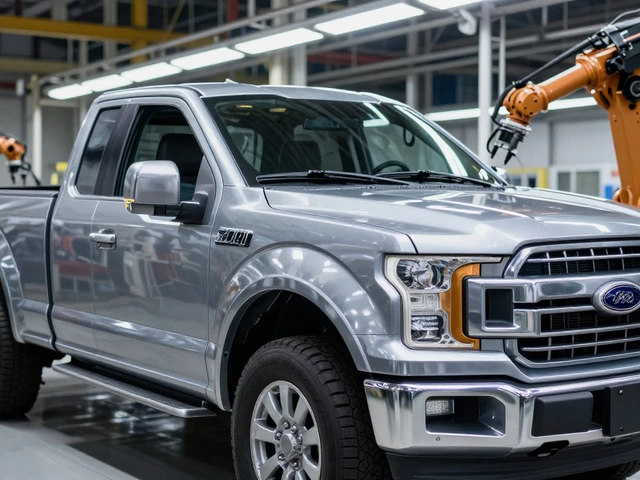
Integrated mills are essential for producing high-quality flat-rolled steel used in automobiles and appliances. Cars require steel with very specific strength and formability characteristics that are easier to achieve with virgin iron ore than with recycled scrap. So, when you drive a car assembled in Michigan or Tennessee, the body panels likely contain steel made in an integrated US mill.
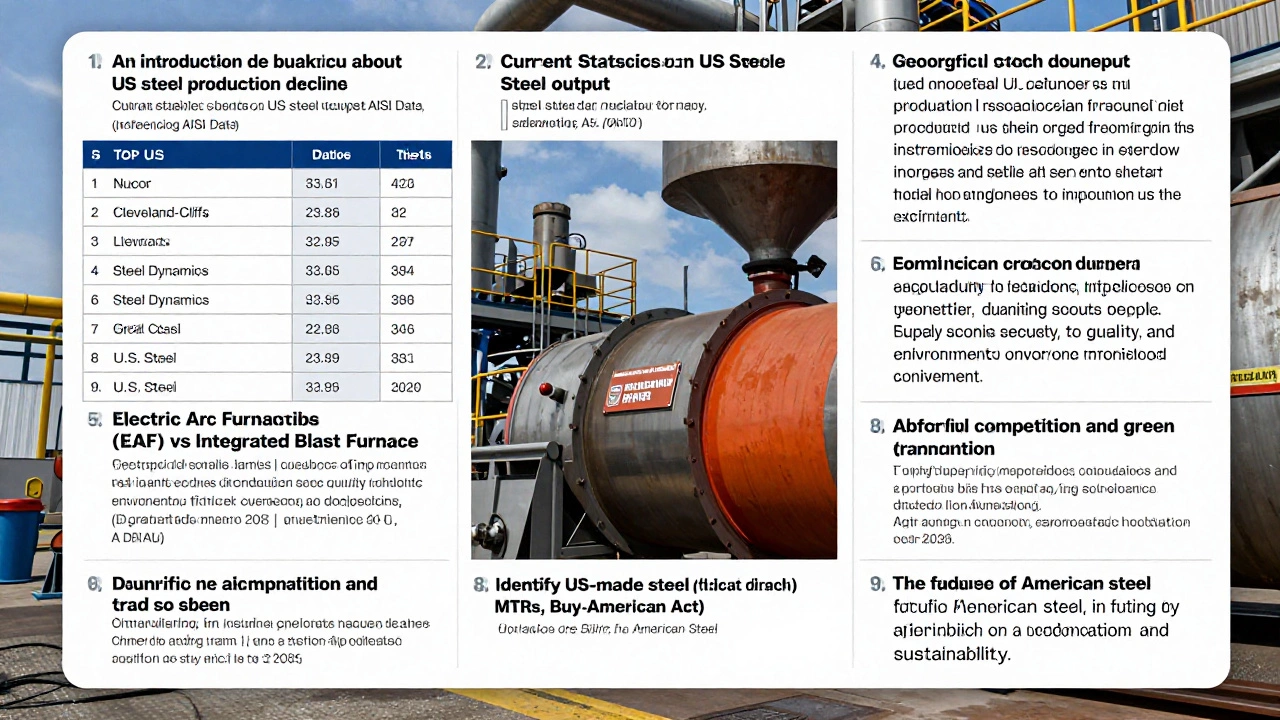
Where Are the Steel Plants Located?
If you are wondering if there is a steel plant near you, the answer depends on where you live. The industry is heavily concentrated in the Midwest and South. This geographic clustering isn't accidental; it follows the legacy of rail networks, access to raw materials, and proximity to major manufacturing hubs.
- The Great Lakes Region: States like Ohio, Indiana, Pennsylvania, and Illinois remain the heartland of US steel. Cities like Gary, Indiana, and Youngstown, Ohio, have deep historical ties to the industry. Cleveland-Cliffs and U.S. Steel have major operations here, serving the auto industry in Detroit and Chicago.
- The South: Nucor has expanded significantly in states like South Carolina, Alabama, and Texas. This region benefits from lower labor costs, access to ports for importing scrap or exporting finished goods, and a growing population driving construction demand.
- The West Coast: While smaller in volume, there are significant operations in California and Washington, often focused on specialty steels or recycling scrap locally.
This distribution means that shipping costs play a big role in the final price of steel. A beam made in Alabama might be cheaper for a project in Atlanta than one made in Pennsylvania, even if the base cost of the steel is identical.
Why Does Domestic Production Matter?
You might ask, "Why does it matter if the steel is made in the USA?" It comes down to three factors: supply chain security, quality control, and environmental impact.
Supply Chain Security: During global disruptions, such as the pandemic or geopolitical conflicts, reliance on foreign steel can halt construction and manufacturing projects. Domestic production ensures that critical infrastructure projects-like bridges, power plants, and defense equipment-have a reliable source of material.
Quality and Traceability: US steel mills adhere to strict standards set by organizations like ASTM International. When you buy certified US steel, you know exactly what alloy composition it contains and how it was tested. This traceability is crucial for safety-critical applications like pressure vessels or aerospace components.
Environmental Standards: US regulations on emissions and waste management are among the strictest in the world. While steelmaking is inherently energy-intensive, US mills invest heavily in pollution control technologies. Choosing domestic steel supports industries that are increasingly adopting green hydrogen and carbon capture technologies to reduce their carbon footprint.
Challenges Facing US Steelmakers
Despite strong production numbers, the industry faces headwinds. The biggest challenge is competition from subsidized foreign producers. Countries like China produce steel at a scale and cost structure that is difficult for market-driven economies to match without government support.
To address this, the US government has implemented safeguards, such as Section 232 tariffs on imported steel. These tariffs aim to level the playing field, but they also raise costs for downstream manufacturers who use steel as a raw material. Balancing protection for domestic producers with affordability for consumers remains a complex policy debate.
Another challenge is the transition to green steel. As the world moves toward net-zero emissions, steelmakers must find ways to decarbonize production. Integrated mills, which rely on coal, face particularly high costs for retrofitting or replacing their facilities. New technologies, such as direct reduced iron (DRI) using natural gas or hydrogen, are being piloted, but widespread adoption will take time and investment.
How to Identify US-Made Steel
If you are a contractor, engineer, or DIY enthusiast looking for American-made steel, here is how to verify it:
- Check the Mill Test Report (MTR): Every batch of steel should come with an MTR, also known as a Certificate of Compliance. This document lists the chemical composition, mechanical properties, and heat number. Look for the manufacturer's name and location. If it says "Produced by Nucor" or "Cleveland-Cliffs," it is US-made.
- Look for Country of Origin Markings: Under US customs law, imported steel must be marked with its country of origin. However, markings can sometimes be removed or obscured during processing. Always request documentation from your supplier.
- Ask Your Supplier: Reputable steel service centers and distributors track their inventory sources. Ask specifically for "domestic-origin" steel. Many suppliers maintain separate stock for projects requiring Buy American compliance.
- Understand the Buy American Act: For federal construction projects, the Buy American Act requires preference for domestically produced iron and steel. Familiarizing yourself with these requirements can help you specify materials correctly for public-sector jobs.
The Future of American Steel
The future of US steel is not just about maintaining current levels but evolving. We are seeing a rise in "green steel" initiatives, where companies partner with renewable energy providers to power electric arc furnaces with wind or solar energy. This reduces the carbon intensity of the product, appealing to environmentally conscious buyers in the automotive and tech sectors.
Additionally, automation and AI are transforming mills. Robots handle dangerous tasks, and predictive maintenance algorithms optimize production lines, reducing downtime and waste. These advancements make US steel more competitive globally, not just on price but on consistency and innovation.
So, is any steel made in the USA? Absolutely. From the skyscrapers in New York to the cars rolling off assembly lines in Michigan, American steel is everywhere. It is produced by innovative companies using both recycled scrap and virgin ore, supported by a robust infrastructure and driven by the needs of a diverse economy. While challenges exist, the foundation of US steel manufacturing remains strong and vital to the nation's industrial health.
Is the US still a major steel producer?
Yes, the United States is consistently ranked among the top five steel-producing countries in the world, typically producing around 80 million metric tons annually. While it no longer holds the #1 spot (held by China), its production volume is substantial and critical for domestic infrastructure and manufacturing.
Which company produces the most steel in the US?
Nucor Corporation is currently the largest steel producer in the United States by volume. It specializes in Electric Arc Furnace (EAF) technology, which uses recycled scrap steel. Other major producers include Cleveland-Cliffs, Steel Dynamics, and U.S. Steel.
What is the difference between mini-mill and integrated steel?
Mini-mills (EAF) melt down recycled scrap steel using electricity, making them more flexible and environmentally friendly. Integrated mills use blast furnaces to convert iron ore and coal into steel, allowing for higher volumes of specific high-grade steels needed for automobiles. Mini-mills dominate the US market today.
Can I tell if my steel was made in the USA?
Yes, by requesting the Mill Test Report (MTR) from your supplier. This document details the origin, chemical composition, and physical properties of the steel batch. It will list the specific mill and location where the steel was produced. For federal projects, compliance with the Buy American Act is strictly enforced through these documents.
Are there new steel plants being built in the US?
While few entirely new greenfield sites are opening due to high capital costs, existing companies are expanding capacity and upgrading technology. There is significant investment in Direct Reduced Iron (DRI) plants, which serve as feedstock for electric arc furnaces, aiming to reduce reliance on coal and lower carbon emissions.
Apr 16 2025