Silverware: What It Is, How It’s Used, and Why It Matters in Indian Homes
When we talk about silverware, a set of eating utensils like forks, knives, and spoons, typically made of metal. Also known as cutlery, it's the quiet backbone of every meal—whether it’s a quick breakfast or a big Diwali feast. Most people think silverware means shiny, expensive pieces stored away for guests. But in Indian homes, it’s often everyday steel or stainless steel, passed down or bought in bulk, used for roti, dal, rice, and even street food at home.
Silverware isn’t just about what you eat with—it’s tied to culture, hygiene, and practicality. In many households, especially in urban areas, stainless steel spoons and forks replaced traditional brass or copper ones because they’re easier to clean, don’t react with food, and last decades. You’ll find them in homes from Mumbai to Madurai, used alongside hands for some dishes but always present for soups, curries, or desserts. Even in rural areas, families often own a basic set of 4-6 spoons and forks, kept in a drawer or hanging on a wall hook. This isn’t luxury—it’s utility.
What makes silverware work in Indian kitchens? Durability. Resistance to rust. Easy washing after oily curries. No need for polishing like real silver. The best ones are thick enough to bend without breaking, with balanced weight so they don’t feel flimsy. Some brands even make sets with rounded edges for kids or non-slip grips for elderly users. And while you won’t see many households using silver-plated forks daily, you’ll find plenty using stainless steel that looks just like it—just cheaper and tougher.
There’s also a shift happening. Younger families are choosing minimalist designs—thin, modern spoons that fit in lunchboxes, or sets with matching storage trays. Others are going back to traditional materials like brass or even bamboo for eco-friendly options. But the core idea stays the same: silverware should make eating easier, cleaner, and more comfortable.
Below, you’ll find real-life insights from people who’ve tried everything—from cheap plastic cutlery to heirloom silver. You’ll see what works in Indian kitchens, what doesn’t, and why some people still prefer eating with their hands even when silverware is right there. These aren’t fancy tips. They’re the kind of truths you learn after years of washing dishes, packing lunches, and serving meals to hungry kids.
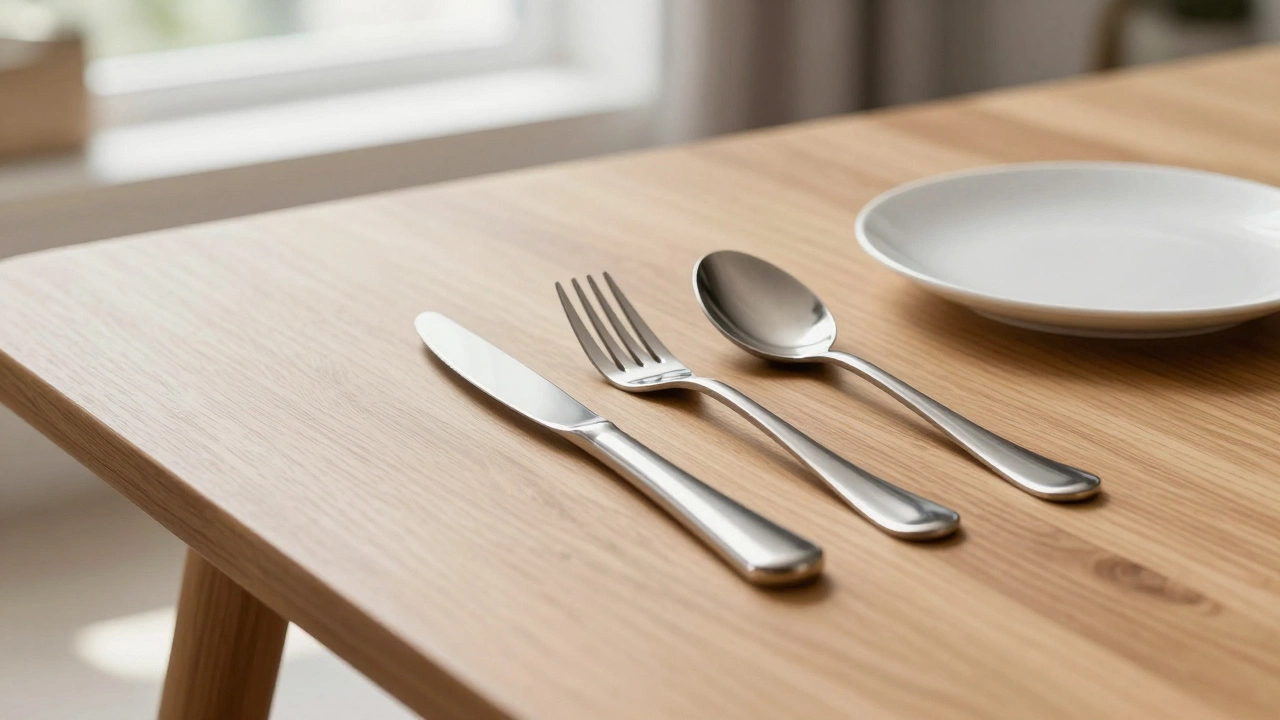
What Is the Generic Term for Dining Utensils?
The correct generic term for dining utensils like knives, forks, and spoons is cutlery. Learn why terms like silverware and flatware are misleading, and how to choose the right set for your home.
View More

Mar 27 2025